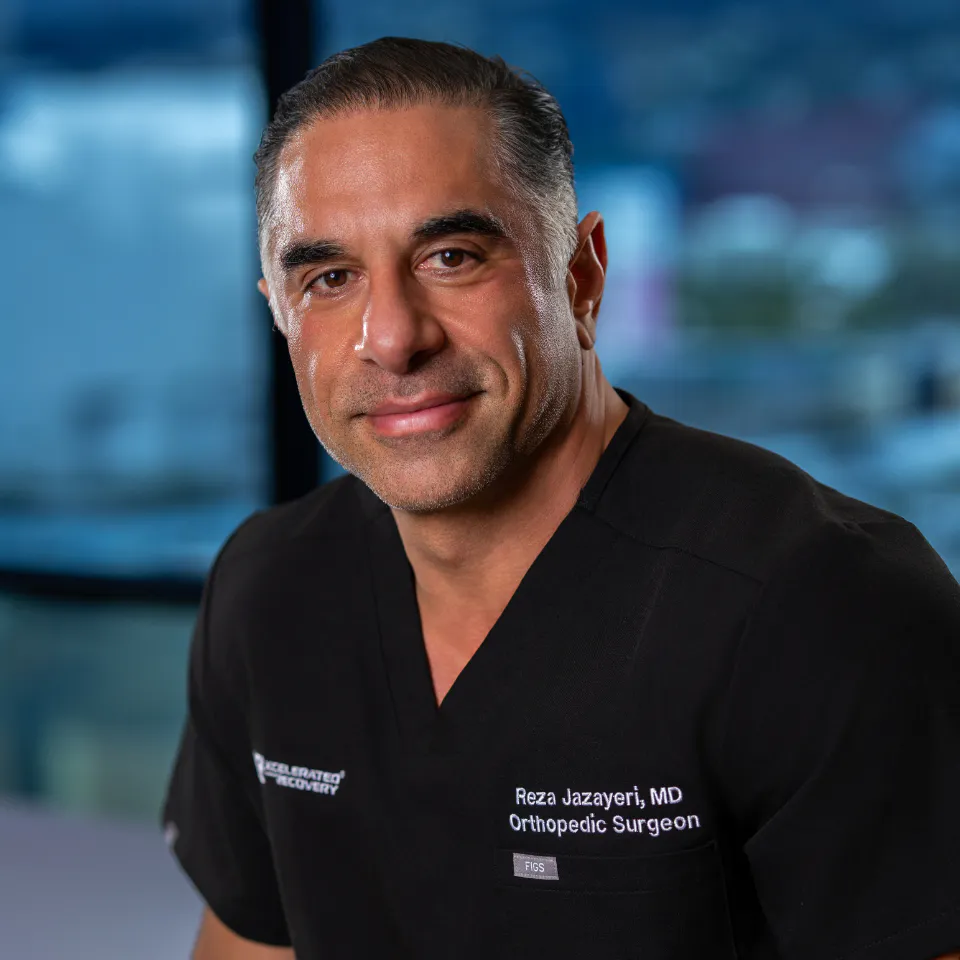
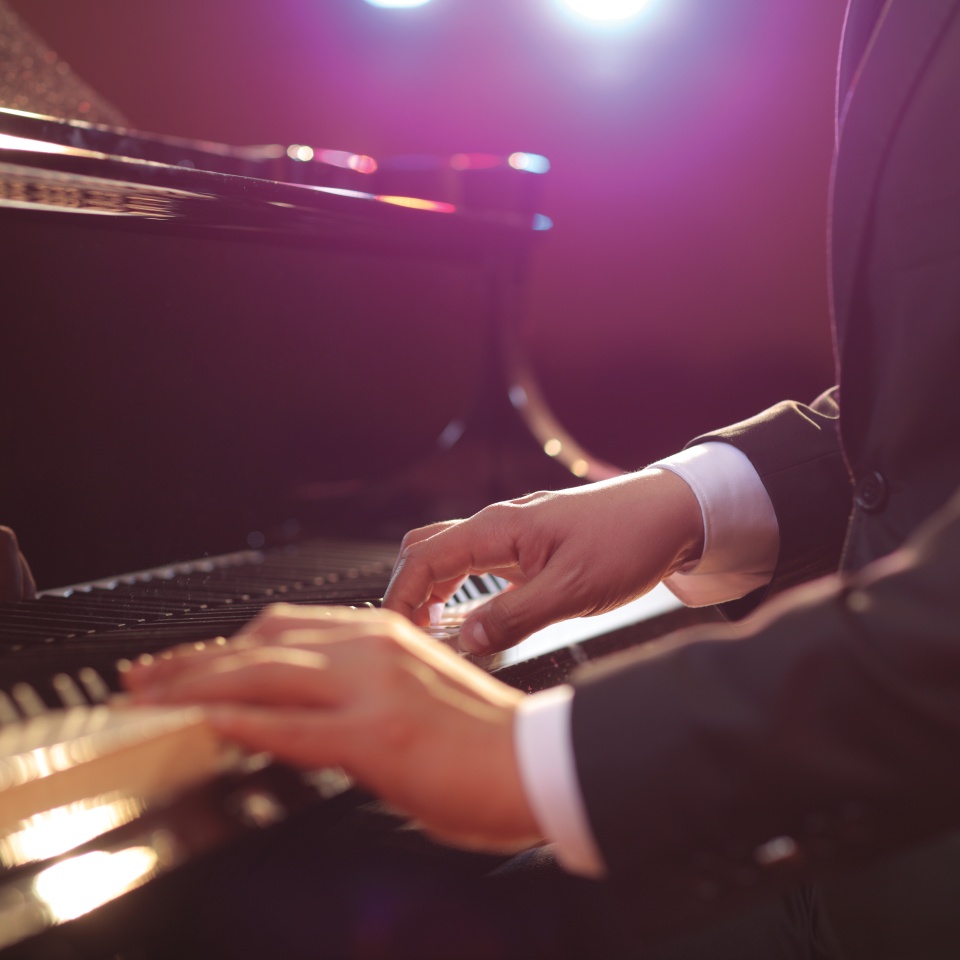
Musicians are athletes. A violinist logging long practice hours, a cellist managing the reach and weight of the instrument, a pianist working through demanding repertoire, a drummer, guitarist, or brass or woodwind player, or a DJ playing back-to-back sets in Los Angeles clubs and overseas all depend on precise, repetitive, high-load use of the shoulders, arms, and hands. When pain develops, it can affect your ability to perform and, in serious cases, your career.
Reza Jazayeri, MD, known to his patients as Dr. Jaz, brings over 17 years of orthopedic experience to musician care, including more than 15 years with the Southern California Permanente Medical Group before joining DOCS Health, where he serves as Director of Longevity. He is double board certified in orthopedic surgery and sports medicine, completed his residency at NYU Hospital for Joint Diseases and his sports medicine fellowship at the Kerlan-Jobe Orthopaedic Clinic in Los Angeles, and serves as faculty for the UFC Combat Sports Medicine Course. He treats orchestral, studio, touring, teaching, and student musicians, along with DJs and electronic performers, with the same standard of care he gives competitive athletes.
“You should not have to choose between your health and your music. Most musician injuries resolve without surgery, and when a procedure is truly needed, my goal is to get you back to your instrument as safely as possible.” — Dr. Jaz
Dancers and other stage performers can read about care for performing arts injuries, or learn how orthobiologic treatments may support healing. Dr. Jaz sees patients at his main Los Angeles office minutes from Beverly Hills and at his Westlake Village and Orange offices, with virtual consultations available. To discuss pain that is affecting your playing, request an appointment.
Why Musicians Develop Shoulder and Elbow Injuries
Playing-related injuries are common. A recent overview of systematic reviews found musculoskeletal disorders in 39% to 93% of musicians, most often in the neck, shoulders, and hands (Cerda-Díaz et al., Occupational Medicine). String and keyboard players, along with musicians who keep intense practice schedules, carry higher risk. The causes are specific to how you play, and they often overlap:
- Repetitive motion across long practice and rehearsal hours
- Sudden jumps in playing load, such as a new program, an audition push, a recording session, festival season, or a summer residency of back-to-back DJ sets
- Awkward or sustained postures dictated by your instrument’s size, weight, and shape
- Technically difficult repertoire with too little recovery time
- Performance stress, which can increase muscle tension
Common Musician Injuries by Instrument
Each instrument places its own load on the upper body, which is why the same diagnosis can look very different in a cellist and a drummer. The areas below are the ones most often affected.
| Instrument | Areas most often affected |
|---|---|
| Violin / viola | Left shoulder and neck (sustained hold); right shoulder and elbow (bowing) |
| Cello / bass | Bowing shoulder; left arm and elbow (reach and sustained flexion) |
| Piano / keyboard | Forearm tendons, outer elbow, carpal and cubital tunnel |
| Guitar | Left elbow (sustained bending that stresses the ulnar nerve), forearm, and wrist |
| Drums / percussion | Inner and outer elbow tendons, shoulder (overhead strikes) |
| Brass / woodwind | Shoulder fatigue from supporting the instrument; forearm and hand strain |
| DJ / electronic performer | Shoulder and neck (arm raised to hold headphones to one ear, head bent over the decks); forearm and elbow tendons (jog wheels, faders, knobs); long standing sets and travel with little recovery |
Shoulder and Elbow Conditions Common in Musicians
- Rotator cuff and subacromial shoulder pain: Overhead and sustained-reach positions can irritate the rotator cuff tendons and bursa, causing pain with lifting, reaching, and long playing sessions.
- Elbow tendinopathy: Overuse of the forearm tendons causes outer or inner elbow pain, often called tennis elbow and golfer’s elbow, that worsens with gripping, bowing, or repetitive wrist and finger motion.
- Biceps tendon irritation: Repetitive loading can inflame the biceps tendon at the front of the shoulder or elbow.
- Nerve entrapment: Cubital tunnel syndrome (ulnar nerve), carpal tunnel syndrome (median nerve), and thoracic outlet syndrome can cause numbness, tingling, weakness, or pain radiating down the arm (Colorado et al., Muscle & Nerve, 2025).
- Shoulder instability and labral injury: Less common in musicians, but these can cause a slipping sensation, deep aching, or loss of control in certain positions. Learn more about shoulder instability.
- Early arthritis: Years of high-level playing may contribute to cartilage wear, causing stiffness and aching.
Signs Your Playing Pain Needs a Specialist
Schedule an orthopedic evaluation if you notice any of the following:
- Pain that lasts more than two weeks despite reducing your playing
- Pain that starts earlier in each session or lingers after you stop
- Numbness, tingling, or loss of finger control or speed
- Weakness, dropping your bow or sticks, or a sense of the shoulder slipping
- Night pain that disrupts your sleep
Early diagnosis often means a shorter, simpler recovery. If pain follows a fall or sudden injury and comes with visible deformity, severe swelling, or an inability to move the arm, seek emergency care right away.
What to Expect at Your Musician Injury Evaluation
Bring your instrument if you can. Watching you play, including your posture, setup, and the exact motion that reproduces symptoms, is often the most revealing part of the exam. Dr. Jaz also reviews your practice and performance calendar and orders ultrasound, MRI, or nerve testing only when the results will change your plan. You can read more about what to expect at your consultation and how imaging and diagnosis guide treatment.
Non-Surgical Treatment for Musician Shoulder and Elbow Pain
Most of these problems improve without surgery, and education, activity modification, and structured rehabilitation are the foundation of care (Haas et al., JAMA Internal Medicine, 2026). For a working musician, complete rest is rarely realistic or necessary. The goal is relative rest, reducing playing load rather than stopping, combined with targeted adjustments:
- Technique and posture adjustments: Changes such as wrist position at the piano or a different violin chinrest or shoulder rest.
- Instrument modifications: Ergonomic supports and setup changes fitted to your body.
- Practice schedule management: A structured plan that avoids sudden spikes in playing load.
- Physical and hand therapy: Targeted work on shoulder blade and rotator cuff control, strength, and endurance, progressing toward pain-free playing.
- Mental practice: Techniques that help maintain repertoire while physical playing is reduced.
- Medications or injections: Short-term options when needed to make therapy possible.
When appropriate, Dr. Jaz coordinates with your teacher or performing arts physical therapist so changes carry into the practice room.
Orthobiologics for Chronic Tendon and Joint Problems
For chronic problems that have not responded to therapy alone, orthobiologics may offer a non-surgical option that uses your own biology to support healing (Lazzaretti Fernandes et al., Arthroscopy, 2024). The two Dr. Jaz uses most often are:
- Platelet-rich plasma (PRP): Platelets from a small sample of your blood are concentrated and injected under ultrasound guidance into the injured tendon or joint, where growth factors may support healing. Studies have shown encouraging results for some tendon problems that have not responded to other treatment, including chronic elbow tendinopathy.
- Bone marrow aspirate concentrate (BMAC): Drawn from a small sample of your own bone marrow, BMAC contains mesenchymal stromal cells that may help regulate inflammation and support tissue repair (Carr and Rodeo, Journal of Shoulder and Elbow Surgery, 2019).
The evidence is still evolving and results vary. Neither treatment is FDA approved for specific tendon or joint conditions, and BMAC in particular is considered investigational. Dr. Jaz discusses realistic expectations openly and recommends these treatments only when they fit your condition and goals.

Nutrition and Metabolic Health to Support Healing
Healing depends on the whole body. Metabolic health, including blood sugar control, inflammation, sleep, and muscle mass, affects how tissues respond to treatment, including orthobiologics (Fernandes and Rodeo, Sports Health, 2026). Dr. Jaz, who has coauthored research on nutritional intervention and amino acid supplementation in orthopaedic surgery, may help optimize:
- Protein intake: Often modestly increased during recovery and spread through the day to support muscle and collagen repair (Smith-Ryan et al., Journal of Athletic Training, 2020).
- Vitamin D and calcium: Testing and correction of genuine deficiencies.
- Select supplements such as creatine: May help preserve muscle during periods of reduced activity (Bytomski, Sports Health, 2018).
- Eating pattern and sleep: An anti-inflammatory eating pattern and consistent sleep, especially before a regenerative procedure.
Supplementation is individualized, and the emphasis is on correcting real deficiencies rather than taking supplements indiscriminately.
When Surgery Is Needed for Musicians
Most musicians never need surgery (Colorado et al., 2025). High-quality evidence shows that routine subacromial shoulder pain generally does not benefit from surgery (Haas et al., 2026), so Dr. Jaz does not recommend it for that problem. Surgery may become the right choice for a structural problem that is limiting you, such as a significant rotator cuff tear, a labral tear with instability, or a nerve compression that has not responded to conservative care and may call for ulnar nerve decompression.
When surgery is needed, Dr. Jaz uses minimally invasive arthroscopic techniques whenever possible, with small incisions, a camera, and specialized instruments, to address the problem with less disruption to surrounding tissue. The decision is made together, with a frank discussion of risks, benefits, and a realistic timeline back to your instrument. Return-to-performance planning starts at the first visit and may include orthobiologic augmentation and nutritional preparation to support healing.
Preventing Playing-Related Shoulder and Elbow Injuries
Small, consistent habits protect your playing over a long career:
- Warm up before playing, just as an athlete would
- Take a short break every 25 to 30 minutes of practice
- Increase practice time gradually and avoid big jumps before auditions or tours
- Build shoulder blade and rotator cuff strength away from the instrument
- Review your setup, including chair height, strap, chinrest, and bench, with your teacher
- For DJs, raise the decks to elbow height and switch headphone sides during long sets
Frequently Asked Questions About Musician Shoulder & Elbow Injuries
-
Usually, yes. Most treatment plans reduce and restructure playing rather than stopping it entirely, using relative rest, technique changes, and a gradual return to full practice hours.
-
Many patients resume light playing within several days and build back over several weeks, guided by symptoms and therapy. Your timeline depends on the tendon treated and how your body responds.
-
For the right structural problem, surgery is intended to help preserve a career, not end it. Musicians who need surgery receive a structured return-to-performance plan, although recovery timelines and results vary from person to person.
-
Not always. Many problems can be diagnosed with a physical exam and by watching you play, with ultrasound, MRI, or nerve testing added only when the results would change your treatment plan.
-
An orthopedic surgeon with sports medicine fellowship training can evaluate the full range of tendon, joint, and nerve problems and offer both non-surgical and surgical options. Dr. Jaz completed his sports medicine fellowship at the Kerlan-Jobe Orthopaedic Clinic in Los Angeles.
-
Yes. Virtual consultations are available for musicians on tour or outside the Los Angeles area and can be a helpful first step for reviewing symptoms, prior imaging, and your performance schedule before an in-person exam.
Why Musicians Choose Dr. Jaz
Musicians are driven, detail-oriented, and protective of their ability to play. You deserve a surgeon who understands your instrument’s demands, respects your goals, and explores conservative and regenerative options before considering the operating room.
- Sports Medicine Training: Double board certification and fellowship training at the Kerlan-Jobe Orthopaedic Clinic bring an athlete’s standard of care to performing musicians.
- Conservative Care First: Relative rest, technique changes, and therapy come before injections or surgery whenever they are appropriate.
- Instrument-Specific Evaluation: Each exam considers your instrument, setup, and performance calendar, not just your imaging.
- Regenerative and Nutritional Expertise: Orthobiologic options and published work on nutrition in orthopaedic surgery inform a whole-body recovery plan.
- Three Southern California Offices: Care is available in Los Angeles near Beverly Hills, Westlake Village, and Orange, with virtual visits for touring musicians.
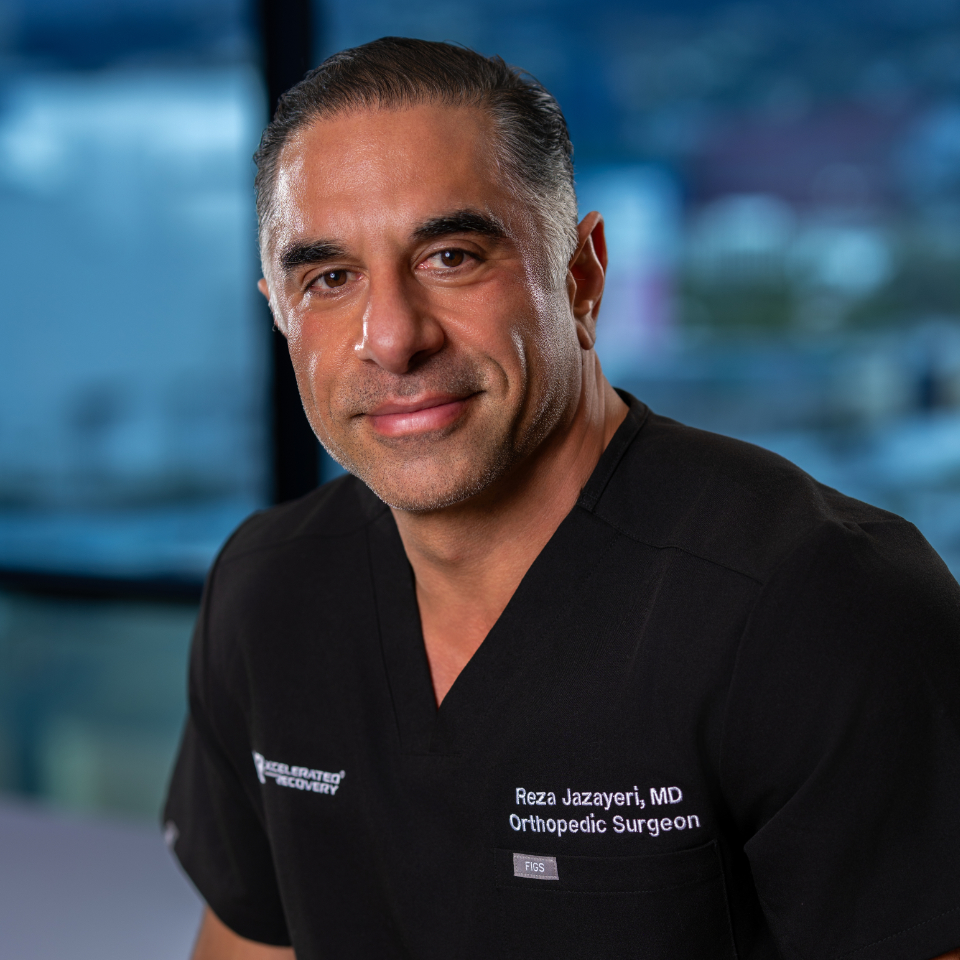
Meet Dr. Reza Jazayeri
Dr. Reza Jazayeri specializes in sports medicine with expertise in shoulder, knee, and elbow injuries. A Southern California native, Dr. Jazayeri combines an engineering background with elite surgical training, completing his orthopedic surgery residency at the nationally ranked NYU Hospital for Joint Diseases and a sports medicine fellowship at the renowned Kerlan-Jobe Orthopaedic Clinic.
After more than 15 years caring for patients within the Southern California Permanente Medical Group, Dr. Jazayeri joined DOCS Health to expand a practice focused on personalized orthopedic and sports medicine care and surgical excellence. As Director of Longevity at DOCS Health, he leads the development and implementation of optimization protocols and regenerative medicine strategies designed to improve long-term musculoskeletal health and extend healthspan.
His published work includes a 2026 coauthored review of nutritional optimization in spine surgery in the Journal of the American Academy of Orthopaedic Surgeons. View Dr. Jazayeri’s research publications and training.
Dr. Reza Jazayeri is an outstanding orthopedic specialist. From the initial consultation to follow-up care, he demonstrated expertise, professionalism, and genuine compassion. He took the time to explain my diagnosis and treatment options clearly, making sure I was comfortable and informed every step of the way. The results of my treatment exceeded my expectations, and I’m so grateful for his skill and care. I highly recommend Dr. Jazayeri to anyone seeking top-notch orthopedic care!
Schedule a Musician Injury Consultation in Los Angeles
If shoulder or elbow pain is affecting your playing, Dr. Jaz offers care from his Los Angeles office near Beverly Hills and his Westlake Village and Orange offices, serving musicians throughout Greater Los Angeles, Ventura County, and Orange County. Schedule a consultation to start a plan built around your instrument and your career.
This article is for educational purposes and does not substitute for an individual medical evaluation. Please consult a qualified physician about your specific condition.
References
- Cerda-Díaz L, et al. Musculoskeletal disorders in musicians: an overview of systematic reviews. Occup Med (Lond). 2026;76(1):35-41. doi
- Colorado B, et al. Peripheral nerve injuries in the performing artist. Muscle Nerve. 2025;71(5):782-790. doi
- Haas R, et al. Management of shoulder pain in primary care: a review. JAMA Intern Med. 2026;186(10):1256-1268. doi
- Lazzaretti Fernandes T, et al. Orthopaedic biologics of the elbow and upper extremity. Arthroscopy. 2024;40(12):2897-2909. doi
- Fernandes GCAM, Rodeo SA. Metabolic optimization before orthobiologic therapies (MOBOT). Sports Health. 2026;18(3):534-542. doi
- Carr JB, Rodeo SA. The role of biologic agents in the management of common shoulder pathologies: current state and future directions. J Shoulder Elbow Surg. 2019;28(11):2041-2052.
- Smith-Ryan AE, et al. Nutritional considerations and strategies to facilitate injury recovery and rehabilitation. J Athl Train. 2020;55(9):918-930.
- Bytomski JR. Fueling for performance. Sports Health. 2018;10(1):47-53.
Medically reviewed by Reza Jazayeri, M.D. on