Learn how PRP, BMAC, PPP, and A2M are used in orthopedic care, what the evidence shows, and how to prepare for treatment and recovery with Dr. Reza Jazayeri.
Quick links: PRP · BMAC · PPP · A2M · Preparation · Recovery · When to call
What Are Orthobiologics?
Orthobiologics are treatments made from your own blood or bone marrow, concentrated and delivered precisely to an injured joint, tendon, or ligament. The goal is to support the body’s natural healing response and reduce pain, not simply to mask symptoms.
The two most widely used options are platelet-rich plasma (PRP) and bone marrow aspirate concentrate (BMAC). Both are prepared the same day, in the office, from your own tissue.
As a double board-certified orthopedic surgeon and sports medicine physician, I evaluate these options within the context of each patient’s injury, overall health, activity level, and long-term goals. Not every treatment is right for every patient. Understanding the evidence, the potential benefits, and the limitations is essential to making the right decision.
Because the treatment comes entirely from you, how well you prepare and how closely you follow the after-care directly shape your result.
| At a glance | What this means |
|---|---|
| 5–7x platelet concentration | Above normal blood levels, reached with real-time optical sensing |
| 30–45 min preparation | Individually formulated for your condition |
| Autologous | Made from your own blood or marrow; no synthetic drugs or donor tissue |
| Ultrasound-guided | Live imaging for precise placement at the injury |
Two rules that differ from most treatments
- Use heat, not ice, for the first week, as directed in your after-care plan. Temporary post-injection soreness can occur. Gentle heat supports blood flow.
- No NSAIDs from 7 days before until 2 full weeks after. This includes ibuprofen (Advil, Motrin), naproxen (Aleve), aspirin, Celebrex, and Mobic. They can block the healing your injection is designed to trigger. If you take aspirin or a blood thinner prescribed by another doctor, do not stop it on your own; call the office first.
How Orthobiologics Work
Injured and arthritic tissue often heals poorly because it has a limited blood supply and an ongoing inflammatory environment. Orthobiologics deliver a concentrated dose of the body’s own repair signals directly to that site.
- Signal. Platelets and marrow cells release growth factors and anti-inflammatory proteins at the injury.
- Recruit. These signals attract the body’s own repair cells and stimulate new blood vessel formation.
- Modulate. Inflammatory pathways that drive pain and cartilage breakdown are calmed.
- Remodel. Tendon, ligament, and joint-lining cells are stimulated to produce healthier tissue matrix over the following weeks to months.
The main benefit is believed to come from this signaling effect (sometimes called “paracrine” signaling), rather than from injected cells turning into new cartilage or tendon.
Platelet-Rich Plasma (PRP)
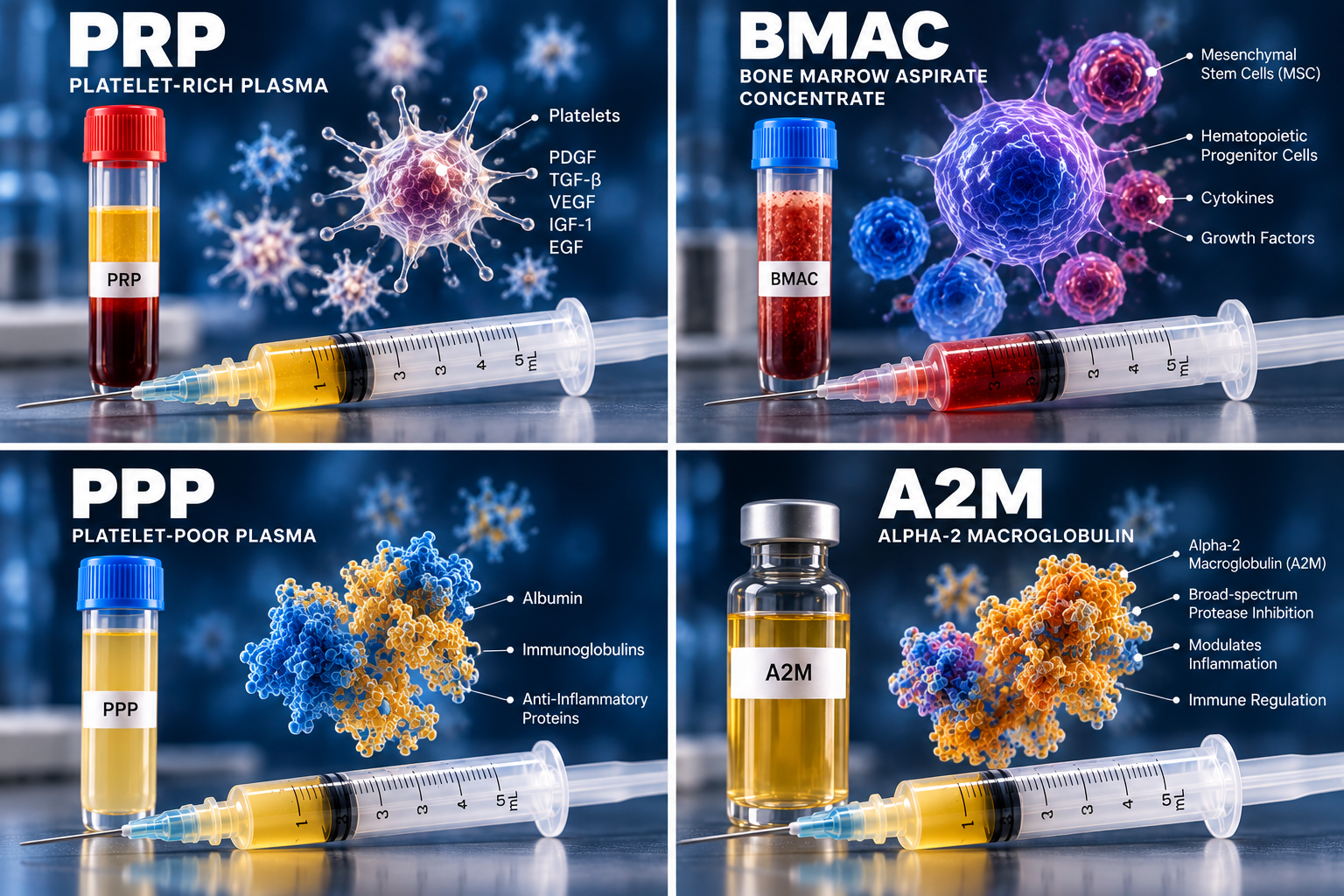
PRP is made from a small sample of your blood, spun in a centrifuge to concentrate platelets to several times their normal level. Platelets are best known for clotting, but they also carry hundreds of proteins that direct tissue repair.
What is in PRP
| Component | Role in healing |
|---|---|
| PDGF (platelet-derived growth factor) | Recruits repair cells and stimulates cell growth |
| TGF-β (transforming growth factor-beta) | Drives collagen production and tissue matrix formation |
| VEGF (vascular endothelial growth factor) | Promotes new blood vessels to injured tissue |
| IGF-1, FGF, EGF | Support cell proliferation and tendon and cartilage cell activity |
| Plasma proteins (fibrin, fibronectin) | Form a scaffold that holds healing signals in place |
How it is prepared
A small blood draw, similar to a routine lab draw, is processed on-site with the Arthrex Angel System. Real-time optical sensing concentrates platelets to your precise target, typically 5–7 times normal blood levels, in about 30–45 minutes.
- Leukocyte-poor PRP contains few white blood cells and is generally preferred inside joints, such as for knee arthritis, where it limits inflammation.
- Leukocyte-rich PRP retains more white blood cells and may be used for certain chronic tendon problems.
The injection is guided by ultrasound so the PRP reaches the exact target tissue. Platelet growth factors are stored in alpha-granules and released once the PRP is placed at the injury.
Bone Marrow Aspirate Concentrate (BMAC)
BMAC is made from bone marrow drawn from the back of the pelvis (iliac crest) under local anesthesia, then concentrated the same day. It contains a broader mix of healing elements than PRP.
What is in BMAC
- Mesenchymal stem/stromal cells (MSCs): Rare cells that act as “signaling centers.” They release anti-inflammatory and pro-repair factors and help coordinate the local healing response.
- Growth factors: Including PDGF, TGF-β, VEGF, and BMP-2, similar to PRP.
- Interleukin-1 receptor antagonist (IL-1Ra): A natural protein that blocks one of the main inflammatory drivers of arthritis pain and cartilage breakdown.
- Platelets and other marrow cells: Contribute additional growth factors.
Setting realistic expectations about "stem cells"
MSCs make up a very small fraction of the cells in bone marrow. Current evidence suggests they help mainly by signaling and calming inflammation, not by regrowing a new joint surface.
The harvest and injection are done in one visit and take about 1–1.5 hours. Most patients have mild soreness at the harvest site for a few days.
Conditions Orthobiologics May Help
Orthobiologics work best when there is still healthy tissue to support: early-to-moderate arthritis and partial (not complete) tears.
| Condition | Examples | Typical option |
|---|---|---|
| Mild-to-moderate osteoarthritis | Knee, hip, shoulder, ankle | Leukocyte-poor PRP with A2M concentrate; BMAC for select patients |
| Partial-thickness tendon tears | Rotator cuff, gluteus medius, proximal hamstring tendon, Achilles | PRP or BMAC |
| Partial ligament tears | UCL (elbow), MCL (knee), ankle ligaments | PRP |
| Chronic tendinopathy | Proximal hamstring, tennis elbow, patellar tendon, plantar fascia | PRP |
| Muscle strains and tears | Hamstring, quadriceps, and calf muscle injuries | PPP (platelet-poor plasma) |
| Surgical augmentation | Rotator cuff, meniscus, and cartilage repair | PRP or BMAC at time of surgery |
Arthritis: In mild-to-moderate knee arthritis, multiple randomized trials and meta-analyses show PRP can reduce pain and improve function, often for 6–12 months, and compares favorably with hyaluronic acid and steroid injections over longer follow-up. Results are less reliable in advanced, bone-on-bone arthritis.
Partial-thickness tears: In a partial tear, part of the tendon or ligament remains intact. Orthobiologics aim to strengthen the healing environment in the remaining tissue and may help some patients avoid or delay surgery when combined with a structured rehabilitation program.
PPP for Hamstring Muscle Injuries
For hamstring injuries, the right biologic depends on where the injury is: platelet-poor plasma (PPP) for the muscle, and PRP for the tendon.
| Injury location | Biologic | Why |
|---|---|---|
| Muscle belly or muscle-tendon junction strain | PPP | Supports muscle cells maturing into new muscle fibers |
| Proximal hamstring tendinopathy or partial tendon tear | PRP | Concentrated growth factors stimulate tendon repair and collagen formation |
| Complete tendon avulsion from the pelvis | Surgical evaluation | Injections are not a substitute for repair |
Why muscle needs a different approach
Muscle repairs itself through stem-like cells called satellite cells. These cells first multiply as myoblasts, then must mature (differentiate) and fuse into new muscle fibers. Platelets release high levels of TGF-β and myostatin, which in laboratory studies keep myoblasts multiplying but block them from maturing. That may favor scar tissue over true muscle regeneration.
What PPP is
PPP is the plasma left after platelets are removed during PRP processing. It retains plasma proteins such as IGF-1 and hepatocyte growth factor, which support muscle-cell maturation and help regulate inflammation and fibrosis. In a Stanford laboratory study, PPP induced human myoblasts to mature into multinucleated muscle fibers, while standard PRP mainly drove cell multiplication (Miroshnychenko et al., 2017).
What the clinical studies show
- PRP in muscle: A Dutch multicenter randomized trial found PRP did not speed return to play after acute hamstring muscle injury compared with placebo (Reurink et al., 2014), and a meta-analysis reached the same conclusion (Pas et al., 2015). A 2026 review of randomized trials reported a modest benefit of about 8 days, so the overall evidence is mixed (Kuhns et al., 2026).
- PPP in muscle: In 20 collegiate football players with acute hamstring strains, PPP was followed by return to full play at an average of 29 days, pain improvement by 2 weeks, and no re-injuries at 12 months (Kruse & Volfson, 2024). Similar results were reported for quadriceps strains (Kruse et al., 2026). These small, uncontrolled studies cannot establish whether PPP speeds recovery compared with rehabilitation alone.
- PRP in the tendon: In chronic proximal hamstring tendinopathy, 68% of patients reported at least 50% pain reduction after ultrasound-guided PRP (Auriemma et al., 2020).
One draw, both biologics
A single blood draw produces both PRP and PPP, so an injury involving both the hamstring tendon and muscle can be treated in the same visit.
A2M (Alpha-2-Macroglobulin) for Osteoarthritis
A2M is a natural protein in your blood that blocks enzymes and inflammatory signals involved in cartilage breakdown. Concentrated from your own plasma, it is used with the aim of calming the arthritic joint. Its potential cartilage-protective effects have been studied in laboratory and animal research; cartilage preservation in patients has not been established.
How A2M works
As arthritis progresses, the joint fills with enzymes (MMPs and ADAMTS) that digest cartilage, and inflammatory proteins (IL-1β, TNF-α) that drive pain and swelling. A2M works like a molecular trap: when an enzyme tries to cut it, A2M folds around the enzyme and locks it away so it can no longer damage cartilage. It also binds several inflammatory proteins. Because A2M is a very large molecule, relatively little of it reaches the joint on its own.
How it is prepared
From the same blood draw used for PRP, the platelet-poor plasma is passed through a specialized filter that concentrates it into a small volume of protein rich in A2M. It is typically combined with leukocyte-poor PRP and injected into the joint under ultrasound guidance, combining platelet growth factors with A2M’s enzyme-binding activity.
What the research shows
- Laboratory and animal studies: In a large-animal model of post-traumatic arthritis, A2M injections reduced cartilage damage, joint-lining inflammation, and levels of IL-1β, TNF-α, and cartilage-degrading enzymes (Sun et al., 2024). Similar cartilage protection was seen in a rat ACL-injury model (Zhang et al., 2017).
- Human trial: In an NYU randomized, double-blind trial of 75 patients with mild-to-moderate knee arthritis (Kellgren-Lawrence grade 2–3), A2M improved pain and function at 12 weeks. Changes were not statistically superior to those with PRP or corticosteroid injections (Thompson et al., 2024).
Who may benefit
We may consider A2M for patients with mild-to-moderate arthritis, joints at risk after an injury such as an ACL or meniscus tear, and patients looking for a steroid-sparing option. A2M has not been shown to regrow cartilage or reverse bone-on-bone arthritis.
Human evidence is still early and short-term. A2M is best viewed as one possible part of a broader joint-preservation plan that includes strengthening, weight management, and metabolic optimization, often alongside PRP.
Is It Right for You?
The best candidates have early-to-moderate arthritis or a partial tear, persistent symptoms despite rest and physical therapy, and a goal of staying active while avoiding or delaying surgery.
Orthobiologics may not be appropriate if you have advanced arthritis, a complete tear, an active infection, certain blood disorders, or active cancer. Your overall metabolic health, nutrition, and muscle mass also affect how well you heal, and are part of every evaluation.
Step 1: Optimize Your Body
Before scheduling, I order a personalized lab panel to find correctable factors that could limit healing, such as vitamin deficiencies, elevated inflammation, or hormonal imbalances. We address these first through nutrition, supplementation, or other strategies, so your procedure happens with your body at its biological best.
| Lab | What it tells us |
|---|---|
| Vitamin D | Musculoskeletal repair capacity |
| Albumin | Nutritional and healing status |
| hsCRP | Systemic inflammation |
| HbA1c and fasting insulin | Blood sugar control and insulin sensitivity |
| CBC | Platelet count and baseline health |
| Testosterone and IGF-1 | Anabolic and growth-factor signaling |
Your specific panel is set at your consultation; not every patient needs every test.
Step 2: Prepare for Your Procedure
| When | What to do |
|---|---|
| 1–2 weeks before | Start an anti-inflammatory diet. Stop alcohol, tobacco, high-dose fish oil, and vitamin E. Hydrate daily. |
| 7–10 days before | Stop all NSAIDs (see the two rules above). |
| 1 week before | Begin daily XR amino acid supplementation as directed, to support platelet production. |
| Day before | Rest, hydrate well, eat a light anti-inflammatory meal, no alcohol. Confirm your exercise plan. |
| Day of, 60–120 min before the draw | Complete your prescribed exercise. |
| Day of, about 1 hour before | Take your XR supplement and 1 Norco tablet if prescribed. Bring a second tablet only if prescribed for after the injection. Arrange a driver. |
Eat and drink: fatty fish (salmon, sardines, mackerel), leafy greens, berries and pomegranate, olive oil, nuts and seeds, eggs, poultry and lean protein, turmeric and ginger, and plenty of water.
Avoid before and after: alcohol (1 week before and after), sugar and sweetened drinks, fried and processed foods, and tobacco at any point during recovery.
Why exercise before your draw
Exercise releases platelets stored in the spleen into the bloodstream, raising platelet count and activation at the time of your draw. The exercise is matched to protect the treated joint, and intensity matters more than the muscle group.
- Standard: Stairmaster, stationary bike, treadmill, or elliptical for 15–20 minutes at 70–85% of max heart rate.
- Modified (knee pain or limited mobility): arm bike, swimming, upper-body ergometer, or blood flow restriction (BFR) training for 20–30 minutes.
Day of Your Procedure
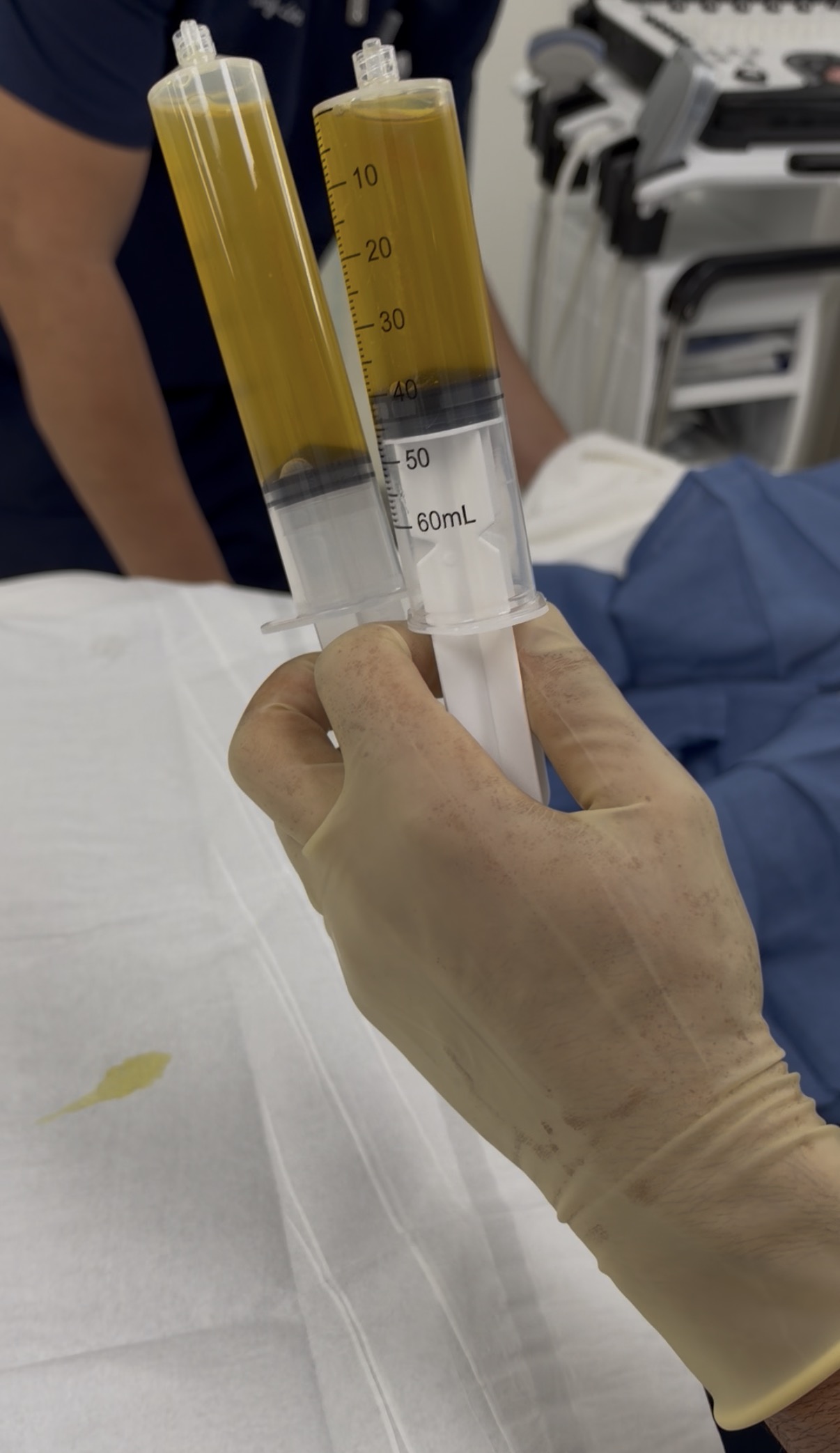
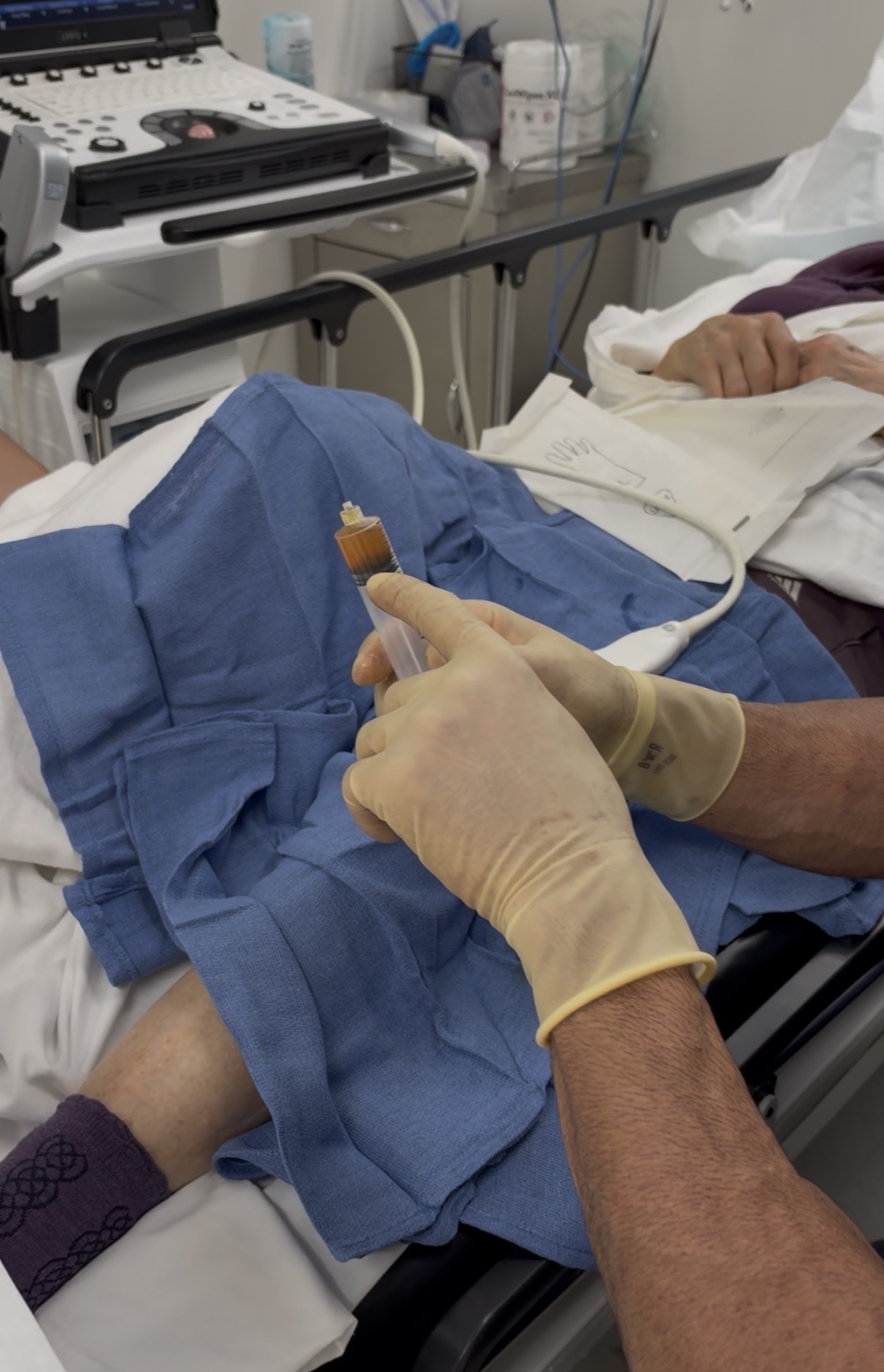
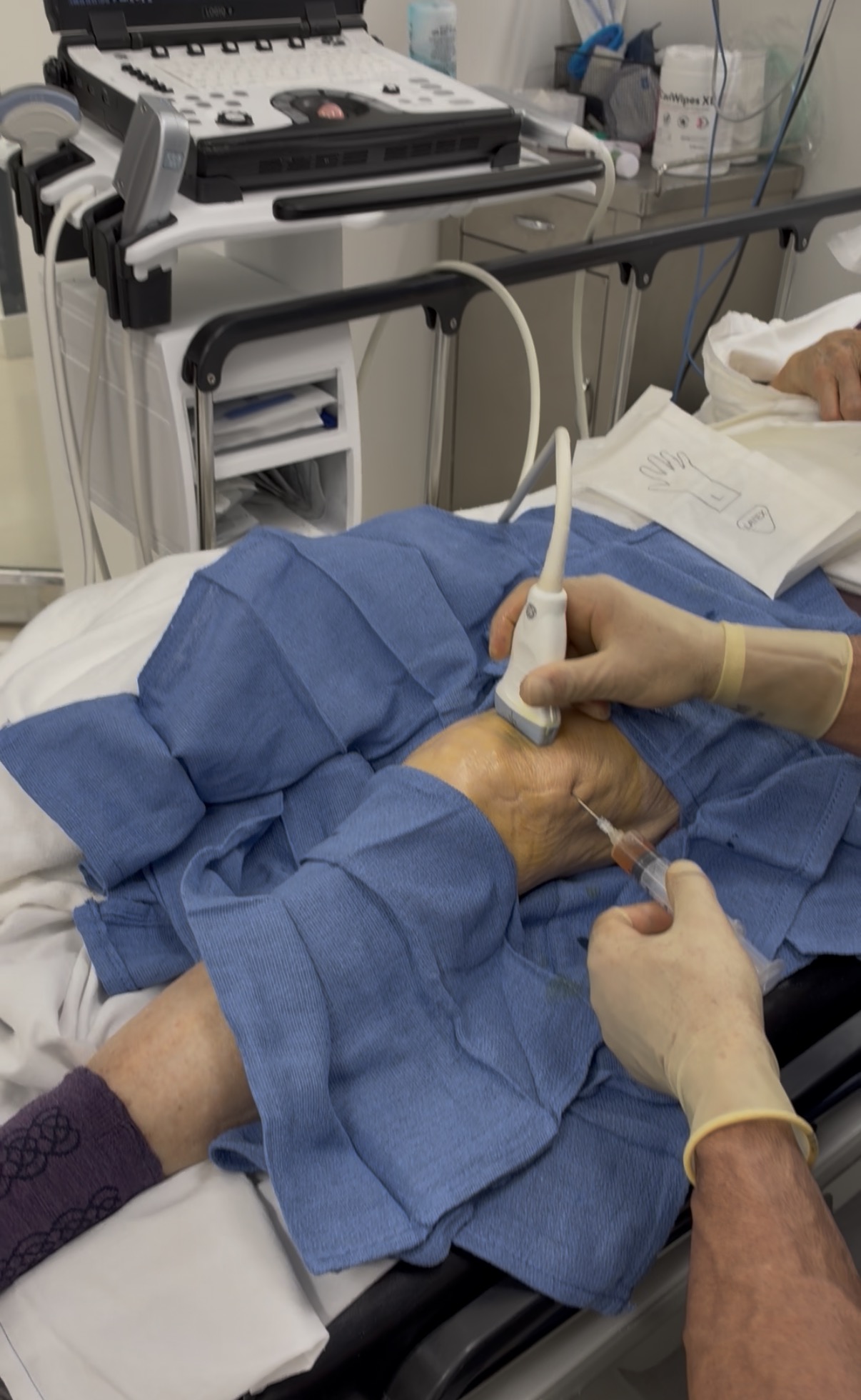
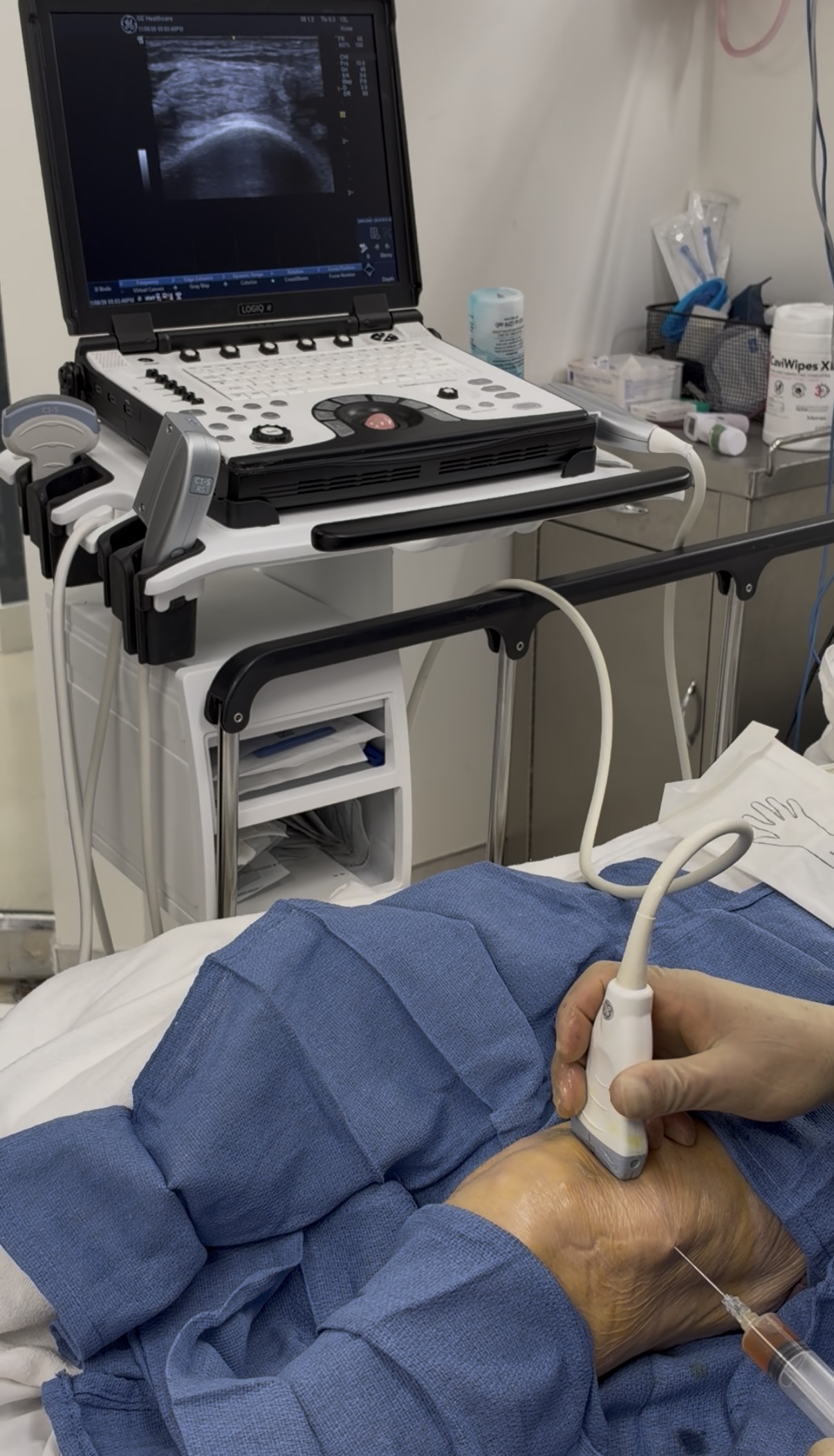
- Harvest. For PRP, a small blood draw from your arm. For BMAC, marrow is drawn from the back of the pelvis under local anesthesia.
- Concentration. Optical sensing concentrates your sample to its precise target in about 30–45 minutes.
- Ultrasound-guided injection at the site of your injury.
- Second Norco tablet, if prescribed, right after the injection.
- Brief rest, then discharge with these instructions. If you have taken Norco, someone must drive you home.
Pain Control
- Heat, not ice: warm compress for 20 minutes, 2–3 times a day, for the first week.
- Norco (hydrocodone/acetaminophen): if prescribed, fill your prescription in advance and take it only according to your individual prescription instructions. Use it only as needed for pain; do not combine it with alcohol or other sedating medicines unless your prescriber has directed you to do so.
- Tylenol (acetaminophen 500 mg): can be used with Norco or on its own. By week 2, Tylenol alone is usually enough.
- Acetaminophen limit: each Norco tablet also contains 325 mg of acetaminophen. Count it toward your daily total, and do not exceed 3,000 mg of acetaminophen per day from all sources unless directed.
- No NSAIDs for 2 full weeks. Unsure whether a medicine is an NSAID? Call before taking it.
Recovery Timeline
Temporary soreness can occur after treatment; soreness alone does not tell us whether the treatment is working.
| Time | What to expect | What to do |
|---|---|---|
| Day of | Soreness begins | Rest, heat, medication as prescribed, hydrate, no alcohol |
| Days 1–3 | Peak soreness, aching, mild swelling | Heat 2–3 times daily, light walking only; no gym or sports |
| Days 4–7 | Soreness eases | Tylenol as needed, continue XR, gentle range of motion |
| Week 2 | Reactivation | Still no NSAIDs; start physical therapy when cleared |
| Weeks 2–6 | Early improvement | Physical therapy guides tissue into healthy load patterns |
| Months 2–6 | Progressive healing | Tissue remodels; full benefit develops over 3–6 months |
Do and Don't
| Do | Don’t |
|---|---|
| Warm compress 20 min, 2–3 times daily, first week | Ice |
| Pain medication as prescribed | NSAIDs for 2 full weeks |
| XR supplementation 1–2 weeks after, as directed | Alcohol for at least 1 week |
| High-protein, anti-inflammatory meals | Tobacco at any stage |
| Stay well hydrated | Strenuous activity or sports in week 1 |
| Physical therapy once cleared | Sugar and processed foods |
Common Questions
I'm in more pain than before my injection. Did something go wrong?
A flare of soreness in days 1–5 can occur after treatment. Use heat and your medication as directed. Contact our office promptly for severe or worsening pain not controlled by your prescribed medication; do not wait five days.
My joint feels swollen and stiff. Should I worry?
Mild swelling and stiffness in the first week is normal and should improve by days 4–7. Call for worsening redness, significant swelling after 72 hours, or fever of 101°F or higher.
When will I feel better?
Most patients notice meaningful improvement between weeks 2 and 6. Full benefit develops over 3–6 months and continues with structured physical therapy.
Can I drive afterward?
Not on the day of the procedure. After that, do not drive while taking Norco or while impaired. Resume driving only when you can safely control the vehicle. Tylenol alone does not impair driving.
When can I return to exercise and sports?
Light walking starts the day after. Avoid the gym, running, and sport-specific activity for the first week. Full return is guided individually at your follow-up.
How many injections will I need?
Many patients need one treatment; some conditions benefit from a series. We decide together based on your response at follow-up.
Evidence and Limitations
- Evidence is strongest for PRP in knee arthritis and tennis elbow; research on BMAC is promising but still developing.
- Results vary from patient to patient, and benefits are not permanent.
- These treatments are generally not covered by insurance.
- PRP and BMAC are not FDA-approved treatments for specific orthopedic conditions.
My recommendation is always based on your specific diagnosis and the current evidence. If surgery is the better option, I will tell you.
Follow-Up
I will schedule a follow-up to review your recovery and decide when to begin or advance physical therapy. Most patients improve gradually over 4–12 weeks, with full benefit from PRP, A2M, or BMAC typically developing over 3–6 months.
When to Call Right Away
- Redness, warmth, or swelling that worsens after 72 hours
- Fever of 101°F or higher
- Severe pain not controlled by your prescribed medication
- New numbness or tingling near the injection site
- Drainage or skin changes at the injection site
For a medical emergency, call 911.
Contact Dr. Jazayeri's Office
- Call or text (Mon–Fri, 8 am–5 pm): (844) 529-0911 · 1-844-JAZ-0911
- Email: [email protected]
- Office: DOCS Health, 8436 W 3rd St, Ste 800, Los Angeles, CA 90048
Reza Jazayeri, MD, and the DOCS Health team · Orthopaedic Surgery and Sports Medicine
References
PPP for muscle injuries vs. PRP for tendon
- Miroshnychenko O, Chang WT, Dragoo JL. The use of platelet-rich and platelet-poor plasma to enhance differentiation of skeletal myoblasts. Am J Sports Med. 2017;45(4):945-953. View study
- Kruse RC, Volfson E. Platelet-poor plasma for the treatment of acute hamstring muscle injuries in collegiate football athletes: a cohort study. Clin J Sport Med. 2025;35(4):529-533. View study
- Kruse RC, Biscoglia KJ, Petrachaianan K. Platelet-poor plasma: a novel treatment for acute quadriceps muscle injuries. Clin J Sport Med. 2026;36(5):531-536. View study
- Fernandes GCAM, Rodeo SA. Platelet-poor plasma for muscle injuries: a review of mechanisms and clinical perspectives. Orthop J Sports Med. 2025;13(11). View study
- Kasitinon D, Dragoo JL, Hwang CE. Use of platelet-poor plasma in acute quadriceps muscle strain in a Division I football placekicker: a case report. Curr Sports Med Rep. 2021;20(11):572-574. View study
- Reurink G, Goudswaard GJ, Moen MH, et al. Platelet-rich plasma injections in acute muscle injury. N Engl J Med. 2014;370(26):2546-2547. View study
- Pas HI, Reurink G, Tol JL, et al. Efficacy of rehabilitation, platelet-rich plasma injections, and other conservative interventions in acute hamstring injuries: an updated systematic review and meta-analysis. Br J Sports Med. 2015;49(18):1197-1205. View study
- Kuhns BD, Becker N, Reyes-Cordova A, et al. Improved outcomes with platelet-rich plasma for treating extra-articular hip pathology, especially greater trochanteric pain syndrome and hamstring injury: a systematic review of randomized controlled trials. Arthroscopy. 2026;42(1):310-325. View study
- Auriemma MJ, Tenforde AS, Harris A, McInnis KC. Platelet-rich plasma for treatment of chronic proximal hamstring tendinopathy. Regen Med. 2020;15(4):1509-1518. View study
A2M for osteoarthritis
- Thompson K, Shankar DS, Huang S, et al. The effectiveness of alpha-2-macroglobulin injections for osteoarthritis of the knee. Bull Hosp Jt Dis. 2024;82(4):245-256. PubMed 39259950
- Sun C, Chang K, Fleming BC, et al. Alpha-2-macroglobulin attenuates posttraumatic osteoarthritis cartilage damage by inhibiting inflammatory pathways in a Yucatan minipig model. Am J Sports Med. 2024;52(11):2882-2892. View study
- Zhang Y, Wei X, Browning S, et al. Targeted designed variants of alpha-2-macroglobulin (A2M) attenuate cartilage degeneration in a rat model of osteoarthritis. Arthritis Res Ther. 2017;19(1):175. View study
Medically reviewed by Reza Jazayeri, M.D. on