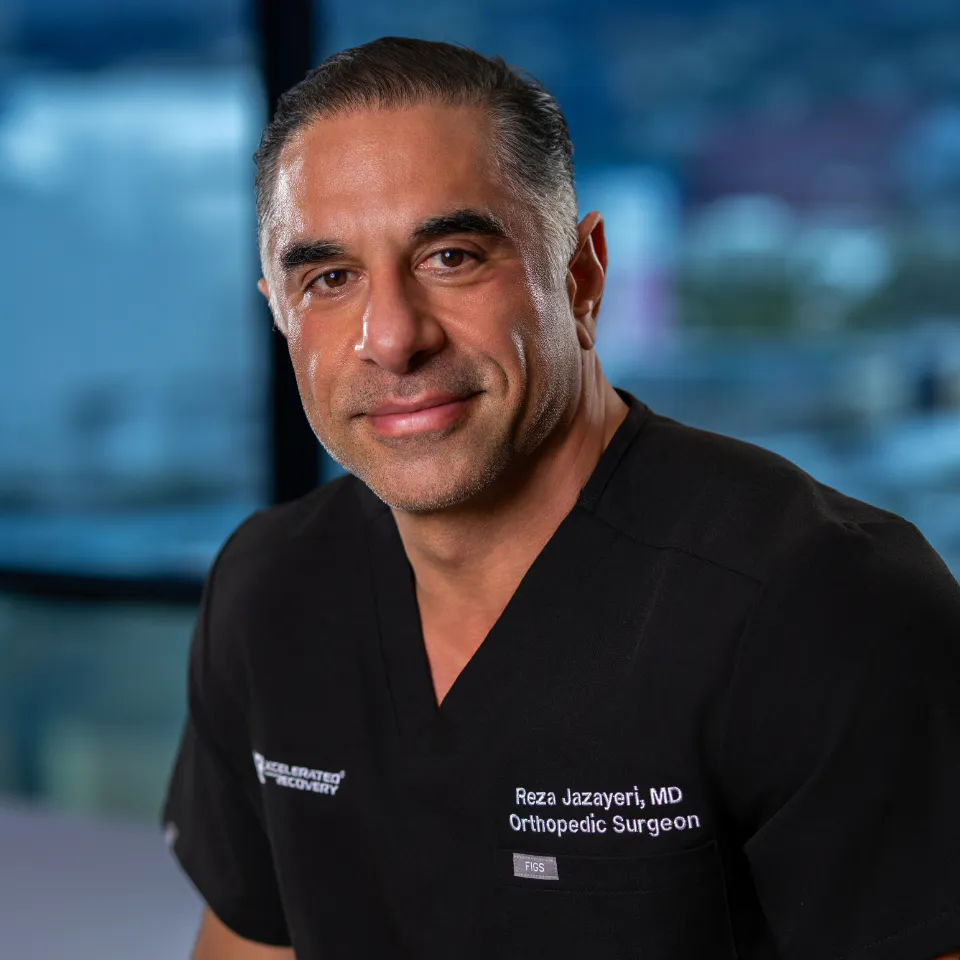
Dance and performing arts injuries require care that considers both the injury and the demands of returning to performance. Dr. Reza Jazayeri is a double board-certified orthopedic surgeon with sports medicine fellowship training at the Kerlan-Jobe Orthopaedic Clinic in Los Angeles. He provides orthopedic care for dancers, musicians, and stage performers throughout Greater Los Angeles. Dr. Jaz treats patients at his Beverly Hills, Westlake Village, and Orange offices.
Dr. Jazayeri earned his medical degree from Albert Einstein College of Medicine and completed his orthopedic surgery residency at NYU Hospital for Joint Diseases. Before joining DOCS Health, where he serves as Director of Longevity, he spent more than 15 years with the Southern California Permanente Medical Group.
His approach brings that orthopedic experience together with attention to your symptoms, training demands, and performance goals. Treatment prioritizes non-surgical options when appropriate, with rehabilitation and surgical decisions tailored to your diagnosis and the activities you want to return to.
Meet Dr. Jazayeri and explore his training and publications, or request an appointment to discuss an injury affecting your performance.
Orthopedic Care for Dancers
A dancer’s recovery goals extend beyond comfortable walking and everyday activity. Ballet, contemporary, jazz, and other dance styles place different demands on balance, mobility, strength, and endurance. An evaluation should consider which movements cause symptoms and what your return to class, rehearsal, or performance will require.
At your appointment, explain your dance style, weekly training schedule, recent changes in rehearsal volume, and any previous injuries. Describe whether symptoms occur during turnout, deep bending, kicks, jumps, landings, or partnering. These details help put your symptoms in the context of your dancing.
Depending on your symptoms, relevant conditions may include:
- Hamstring injuries: Pain at the back of the thigh may involve a muscle or tendon injury. Learn about hamstring injuries and treatment options.
- Knee injuries: Pain, swelling, or instability can interfere with bending and landing. Explore knee conditions and orthopedic care.
- Foot and ankle injuries: Sprains, tendon injuries, and bone stress injuries can affect dancers. Persistent symptoms deserve assessment to determine the diagnosis and appropriate care.
Common Types Of Injuries In Performing Arts
Dancers, musicians, and stage performers face injury patterns that differ from traditional sports. Repetitive stress on shoulders, knees, and elbows is common across many performance disciplines. Dancers often deal with foot and ankle sprains, stress fractures, from repeated jumping and turnout positions.
Musicians may develop tendonitis in the hands, wrists, and elbows from hours of practice. String players and pianists frequently experience shoulder overuse injuries. Vocal performers can strain supporting neck and shoulder muscles.
Dr. Jaz evaluates each injury in the context of the performer’s specific craft. His clinical focus on shoulder, knee, and elbow care aligns directly with the areas most affected by performing arts demands.
Signs That Indicate You Need Medical Attention
Pain that persists through warm-up or lingers after activity is a clear signal to seek evaluation. Swelling around a joint, reduced range of motion, or weakness in a limb should not be ignored. Numbness or tingling in the hands or feet may point to nerve involvement.
If you change your technique to avoid pain, reduce the activity that triggers symptoms and arrange an evaluation. An assessment can help identify the cause and guide appropriate treatment and activity modifications.
Role Of Physical Therapy In Recovery
Physical therapy forms the backbone of most performing arts injury recovery plans. A structured therapy program rebuilds strength, restores mobility, and retrains movement patterns specific to your art form. For dancers, this might mean focused work on turnout control and landing mechanics.
Musicians benefit from posture correction and ergonomic adjustments that reduce strain during long practice sessions. Dr. Jaz integrates therapy into every treatment pathway.
His digital rehab partnership with myHealthTrack gives patients in the Greater Los Angeles area a remote recovery option. This lets performers stay connected to their rehabilitation program even with demanding rehearsal and travel schedules.
Rehabilitation Strategies For Dancers And Musicians
Rehabilitation for performers must respect the technical demands of their discipline. A dancer returning from a knee injury needs more than general strengthening. They need progressive loading that mimics jump takeoffs and landings.
A violinist recovering from shoulder surgery requires rotator cuff retraining that accounts for the sustained holding posture of their instrument. Dr. Jazayeri builds prehabilitation into his surgical protocols. This means structured conditioning before a procedure to improve post-operative outcomes.
His approach draws on peer-reviewed research he has published on nutritional optimization and biologic augmentation. The goal is a return to full artistic expression, not just basic function.
Returning to Dance After an Injury
Returning to dance is a progression, rather than a single date on the calendar. Your recovery plan should account for healing, strength, movement control, and the demands of your choreography.
Discuss how to progress from rehabilitation exercises to modified class, fuller rehearsals, and performance. More demanding activities—including repeated jumps, partnering, or pointe work—may require additional assessment before resuming them.
The timing and sequence depend on your injury and treatment. Your clinician should guide clearance and activity restrictions. Learn more about Dr. Jazayeri’s approach to return to sport and performance.
Preventive Measures For Performing Arts Injuries
Prevention starts with honest assessment of your current conditioning and technique. Regular cross-training builds the general strength that supports specialized performance skills. Adequate rest between intense rehearsal blocks lets soft tissue recover.
Proper warm-up and cool-down routines are non-negotiable. Dr. Jazayeri emphasizes musculoskeletal longevity as a core part of his practice. His Director of Longevity role at DOCS Health reflects this focus on healthspan for active individuals.
Performers can access this preventive philosophy at his Beverly Hills, Westlake Village, or Orange office, or through virtual consultations. Small adjustments to training load and recovery habits often prevent major setbacks.
Nutrition Tips To Support Injury Recovery
Nutrition directly affects how your body repairs damaged tissue. Adequate protein intake supports muscle and tendon healing. Vitamin D and calcium maintain bone strength, which matters for dancers at risk of stress fractures.
Anti-inflammatory foods may help manage pain during the early stages of recovery. Dr. Jazayeri includes preoperative lab testing for Vitamin D, inflammatory markers, hormone levels, and muscle status as a standard part of his surgical protocol. He uses targeted supplementation to correct deficiencies before and after procedures.
This metabolic optimization is backed by his own research and is built into his Bio-Fertilization™ Technique. Performers in the Greater Los Angeles area benefit from this integrated approach to healing.
Importance Of Proper Footwear For Performers
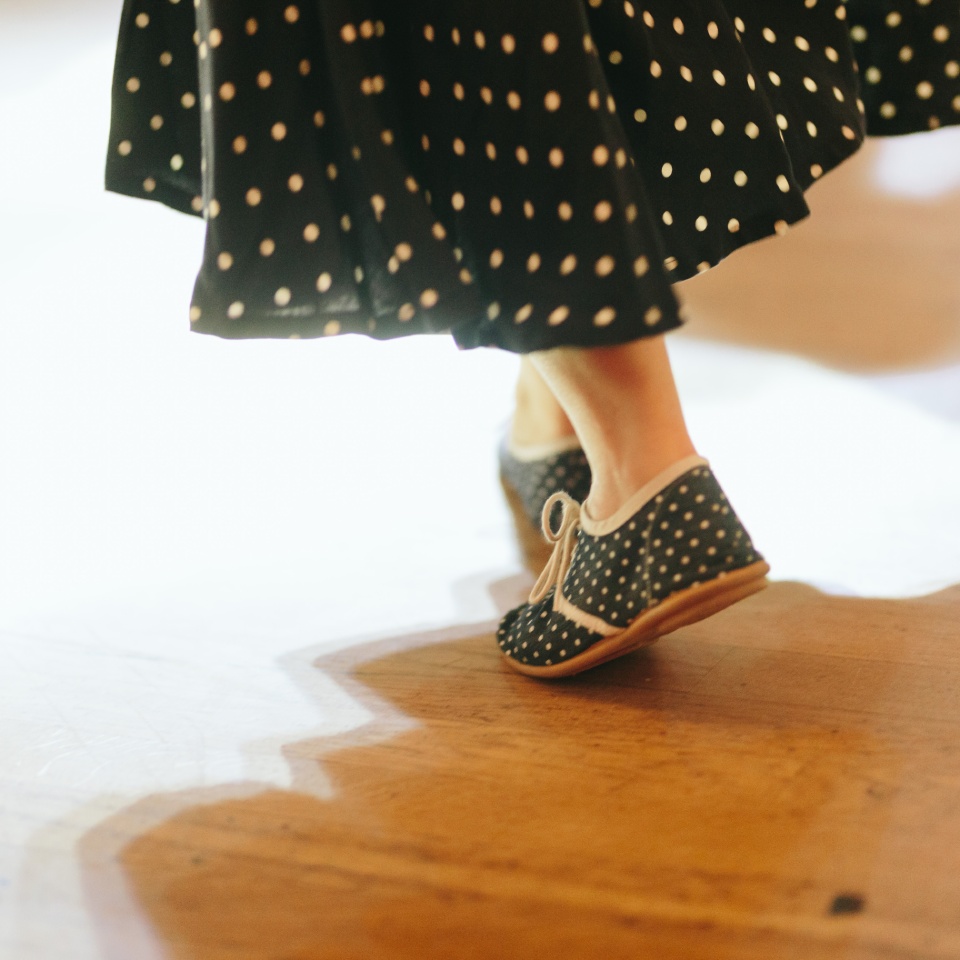
Footwear choices affect alignment from the ground up. Dancers need shoes that support their specific style, whether ballet slippers, jazz shoes, or character heels. Musicians who stand for long performances need cushioning and arch support that reduces lower back strain.
Worn-out shoes alter your gait and transfer stress to knees and hips. Replacing footwear regularly is a simple step with real protective value.
Dr. Jazayeri’s practice sees how improper footwear contributes to overuse injuries in performers. Addressing this factor early in treatment supports the work done in physical therapy and rehabilitation.
Frequently Asked Questions
-
Performing arts injuries often include sprains, tendonitis, and stress fractures. Dancers may face foot and ankle injuries, while musicians often deal with overuse injuries in their hands and shoulders.
-
Physical therapy is essential for rebuilding strength and restoring mobility after an injury. It focuses on specific movements related to your art form, helping you return to performance safely and effectively.
-
Performers should assess their conditioning and technique regularly. Incorporating cross-training, proper warm-up routines, and adequate rest can significantly reduce the risk of injuries.
-
Nutrition is vital for healing. A balanced diet with enough protein, vitamins, and minerals supports tissue repair and overall recovery.
-
Request an appointment online or call using the phone button on this page. Tell our team that your concern involves dance or performing arts, where you have symptoms, and whether you are seeking an in-person visit or information about virtual consultation availability.
-
An orthopedic or sports medicine physician can evaluate musculoskeletal pain and injuries affecting dancers. Describe your dance style, training schedule, and the movements that trigger symptoms so the evaluation can address your performance demands.
-
Improvement during warm-up does not establish that an injury has healed. Avoid movements that provoke pain, and seek evaluation for recurring symptoms, swelling, or changes in your technique. Bone stress injuries can worsen if you continue loading them before they have healed.
-
There is no single recovery timeline for all dance injuries. Your diagnosis, treatment, healing progress, and dance demands affect the plan. Return should be gradual and guided by your clinician, rather than based only on elapsed time.
Why Choose Us For Performing Arts Injuries
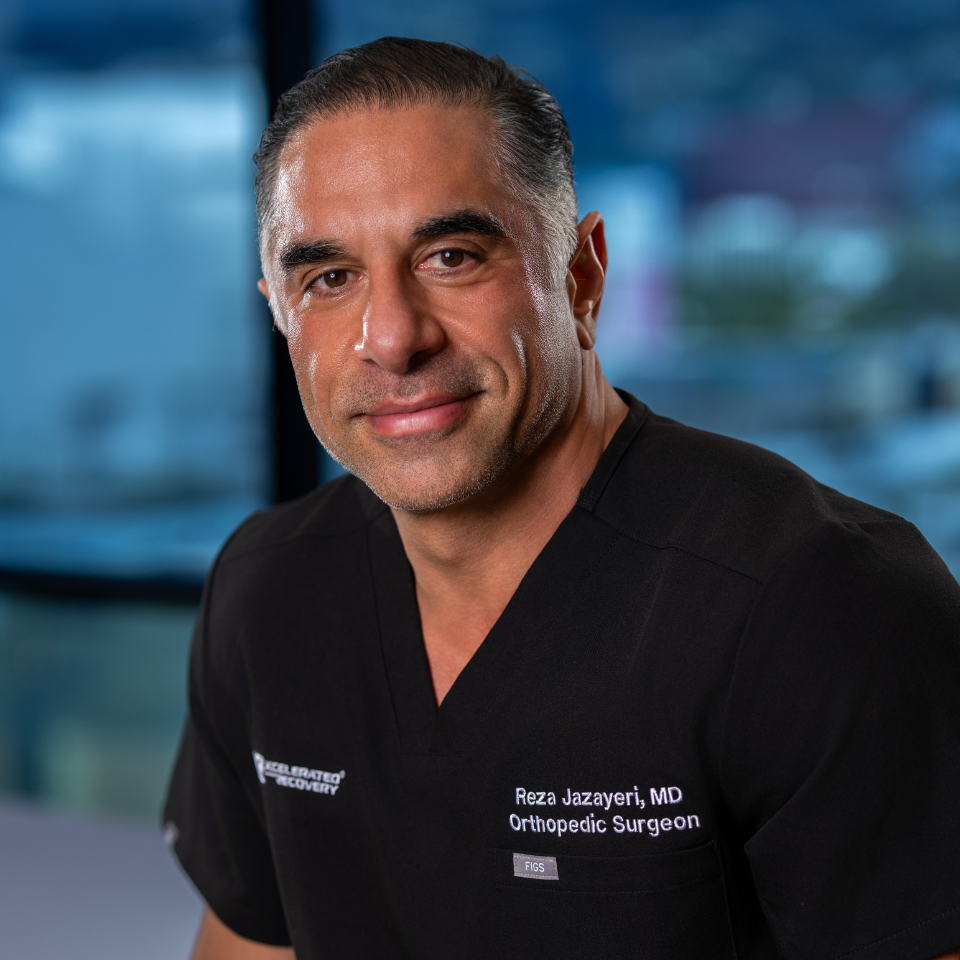
Dr. Reza Jazayeri is a double board-certified orthopedic surgeon. His care for performing arts injuries considers both the diagnosis and the activities you want to return to.
His training at the Kerlan-Jobe Orthopaedic Clinic gives him unique insights into the specific needs of dancers and musicians. We focus on non-surgical options first, exploring therapies and injections before considering surgery.
Our approach combines advanced surgical techniques with personalized recovery plans. We use biologic treatments like PRP and stem cell augmentation when needed.
Dr. Jazayeri’s commitment to musculoskeletal longevity means we prioritize your long-term health. Whether you’re in Greater Los Angeles or beyond, our goal is to help you return to your craft safely and effectively.
Meet Dr. Reza Jazayeri
Dr. Reza Jazayeri specializes in sports medicine with expertise in shoulder, knee, and elbow injuries. A Southern California native, Dr. Jazayeri combines an engineering background with elite surgical training, completing his orthopedic surgery residency at the nationally ranked NYU Hospital for Joint Diseases and a sports medicine fellowship at the renowned Kerlan-Jobe Orthopaedic Clinic.
After more than 15 years caring for patients within the Southern California Permanente Medical Group, Dr. Jazayeri joined DOCS Health to expand a practice focused on personalized orthopedic and sports medicine care and surgical excellence. As Director of Longevity at DOCS Health, he leads the development and implementation of optimization protocols and regenerative medicine strategies designed to improve long-term musculoskeletal health and extend healthspan.
His published work includes a 2026 coauthored review of nutritional optimization in spine surgery in the Journal of the American Academy of Orthopaedic Surgeons. View Dr. Jazayeri’s research publications and training.
Dr. Jazayeri did my shoulder replacement after many other surgeons said it was too damaged too difficult to reconstruct. I was deeply grateful for him taking on my surgery. I am now three months after complex shoulder operation. I have very little pain and have near full range of motion. Can’t thank him enough for all that he did as well as having fantastic bedside manners.
Schedule a Dance or Performing Arts Injury Consultation
If pain is affecting your classes, rehearsals, or performances, schedule an evaluation with Dr. Reza Jazayeri. Bring details about your training schedule, symptoms, previous treatment, and upcoming performance commitments.
Request an appointment or call using the phone button on this page. Our team can help you choose an office location and explain whether a virtual consultation is appropriate for your needs.
Patient Education References
Dance Injuries — American Orthopaedic Society for Sports Medicine
Stress Fractures — American Academy of Orthopaedic Surgeons
Medically reviewed by Reza Jazayeri, M.D. on