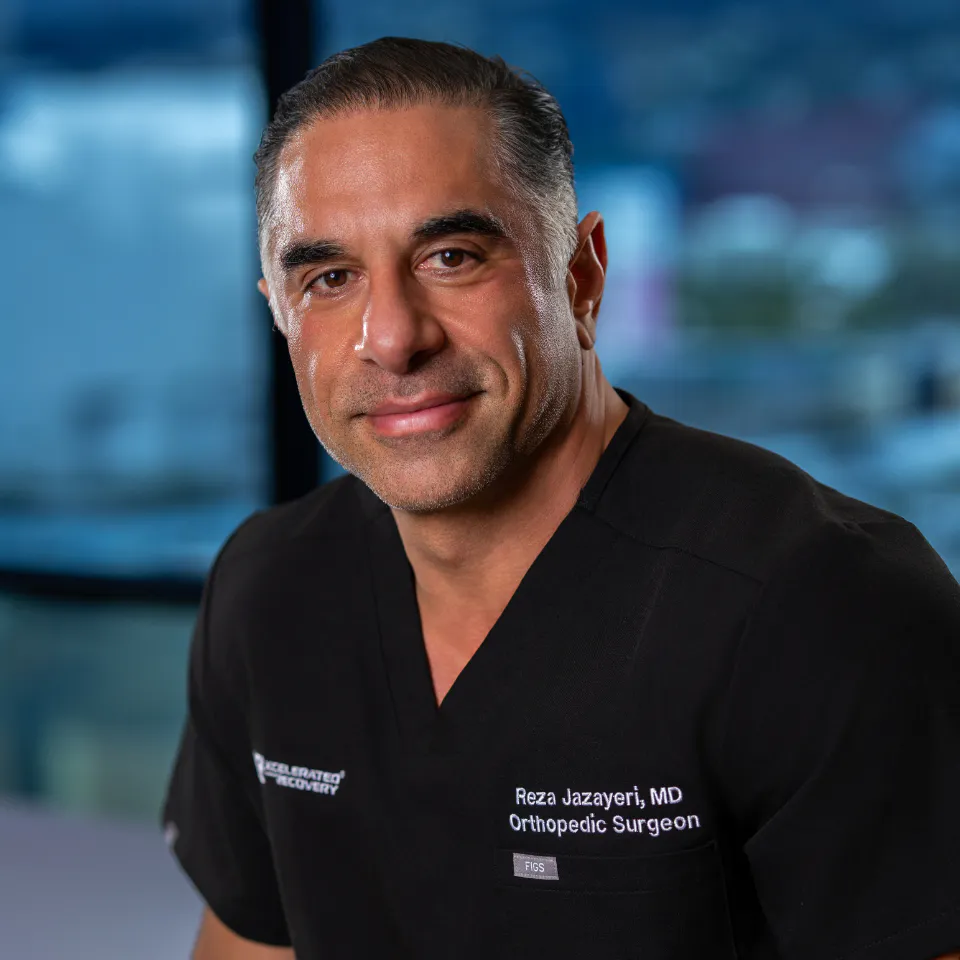
Surgery is an athletic event, and Dr. Jaz trains you for it. An operation puts real stress on your muscles, nerves, immune system and metabolism, and the better prepared your body is, the stronger your recovery tends to be. The Surgical Athlete approach plans for every stage of your care, before, during and after surgery, with special attention to what happens in the operating room: opioid-sparing anesthesia, a neuro- and muscle-protective anesthesia protocol and an intra-operative nutrition protocol. Dr. Jaz sees patients in Los Angeles near Beverly Hills, Westlake Village and Orange.
As Director of Longevity & Optimization at DOCS Health, Reza Jazayeri, MD, works side by side with the DOCS Health anesthesiologists to build and refine the shared protocols on this page. He is double board-certified in orthopedic surgery and sports medicine, has presented on perioperative nutritional optimization at the American Academy of Orthopaedic Surgeons (AAOS) annual meeting for three consecutive years and coauthored “Nutritional Intervention to Improve Outcomes for Orthopaedic Surgery” in Instructional Course Lectures. He completed his orthopedic surgery residency at NYU Hospital for Joint Diseases and his sports medicine fellowship at the Kerlan-Jobe Orthopaedic Clinic, and he brings more than 17 years of surgical experience to every plan.
What Is the Surgical Athlete Approach?
Instead of focusing only on the operation, the Surgical Athlete approach treats surgery the way an athlete treats a big competition, with a training camp, a game plan and a recovery program. Your care is organized into three connected stages:
- Before Surgery (Preparation): Getting your body as strong and well-nourished as possible.
- During Surgery (Anesthesia): Using a modern anesthesia plan designed to protect your brain, nerves and muscles while reducing the need for opioids.
- After Surgery (Recovery): Supporting healing with nutrition, metabolic support and early, safe movement.
At each stage, Dr. Jazayeri and the anesthesia team follow one coordinated plan, so your preparation, your anesthesia and your recovery support each other rather than happening as separate steps.

Stage 1: Preparing Your Body Before Surgery
The weeks before surgery are your training camp, and small changes here can make a real difference in how you feel afterward.
- Metabolic Report Card: Labs such as protein status, blood sugar, vitamin D, iron and inflammation markers help identify anything that should be corrected before surgery.
- Prehab: Stronger muscles going into surgery usually mean a faster return to walking, stairs and daily activity, so muscle loss is treated as a real and fixable risk factor.
- Nutrition: Most patients benefit from more protein before surgery, and targeted nutrients may be recommended to support healing, collagen and immune function. Learn more about perioperative nutrition.
- Supplement Review: Some common supplements, such as fish oil, vitamin E, ginkgo, garlic pills, ginger, turmeric and ginseng, can increase bleeding or interact with anesthesia. Your team will review your full list and tell you exactly what to pause and when. Do not stop any prescribed medication without talking to your care team.
Shorter Fasting With Carbohydrate Loading
For years, patients were told not to eat or drink anything after midnight. Long fasting can put your body into a stress state before surgery even begins, so when it is appropriate for your procedure, the team follows Enhanced Recovery After Surgery (ERAS) guidelines and uses carbohydrate loading, a special clear carbohydrate drink taken the night before and again a few hours before surgery. Benefits may include:
- Less hunger, thirst and anxiety on the morning of surgery
- Better blood sugar control by limiting the temporary insulin resistance that surgery causes
- Less muscle breakdown for energy
- Less nausea and vomiting after surgery
- More energy and comfort, helping you get up and moving sooner
Carbohydrate loading is not right for everyone, including some patients with diabetes or certain stomach conditions, and you will still need to stop solid food at a set time. Always follow the exact instructions your surgical facility and anesthesia team give you, as outlined in your pre-operative instructions.
Priming Your Muscles With Essential Amino Acids
After surgery, muscle can shrink surprisingly fast, with most of the loss in the first two weeks. To make your muscles more resilient, your plan may include essential amino acids, the protein building blocks your body cannot make on its own, starting about a week before surgery and continuing afterward. Research in knee replacement patients has shown:
- Less Muscle Loss: Patients on placebo lost about 18% of their thigh muscle by six weeks, compared with about 6% in the amino acid group (Dreyer 2013).
- Faster Functional Recovery: Patients returned to daily activities sooner and walked better in the early weeks after surgery (Ueyama 2020).
- Lasting Strength Gains: Two years after surgery, the amino acid group still had more thigh muscle and quadriceps strength (Ueyama 2023).
- A Healthier Healing Environment: Amino acids taken before surgery increased muscle repair cells and lowered inflammation markers afterward (Muyskens 2019).
A 2025 review of randomized trials across orthopedic surgery supported this approach while noting that the best dose and timing are still being refined (Brown 2025), which is why your plan is personalized.
Stage 2: Opioid-Sparing, Neuro- and Muscle-Protective Anesthesia
This is the part of the Surgical Athlete approach that sets it apart. Dr. Jazayeri works directly with the DOCS Health anesthesiologists to design each patient’s anesthesia plan using ERAS principles, a well-studied set of practices that help patients recover with less pain, nausea and grogginess. The goal is the best possible patient experience: protect your brain and nerves, protect your muscles and keep you comfortable, so you wake up clearer, keep your strength and get moving sooner.
“Surgery is an athletic event. The way we manage anesthesia in the operating room can help you wake up clearer, keep your strength and start your recovery sooner.” — Dr. Reza Jazayeri
Your anesthesiologist tailors the protocol to your health and your procedure, built on four pillars.
Protecting Your Brain and Nerves
Anesthesia can leave some people foggy or confused for days, especially older adults. Medications are chosen to calm the nervous system and lower the total amount of anesthesia you need:
- Magnesium: A natural mineral that calms overactive nerve signals and can reduce pain and the need for pain medicine.
- Low-Dose Ketamine: At very small doses, it helps block pain signals and can reduce the need for opioids after surgery.
- Dexmedetomidine (Precedex): A calming medication that helps you stay relaxed with less breathing suppression than many older sedatives.
- Less Anesthetic Gas: Combining these medications often allows less inhaled anesthesia, which may help you wake up clearer.
Protecting Your Muscles With Strength-Sparing Nerve Blocks
A nerve block places local anesthetic, or numbing medicine, near specific nerves to control pain at the surgical site. The focus is on sensory-only blocks, which target the nerves that carry pain while sparing the nerves that control muscle movement. Because muscle function is preserved, many patients can move, stand and start therapy sooner.
The numbing medicine may be combined with helper medications, such as dexmedetomidine and buprenorphine, so the block works better and lasts longer at lower doses. Using these medications in nerve blocks is considered off-label, a common and well-studied practice in anesthesia that your anesthesiologist will review with you. Lower doses and selective targeting are designed to reduce the risk of nerve irritation and unwanted weakness.
Opioid-Sparing Pain Control
Opioids can cause nausea, constipation, drowsiness and dependence. A multimodal approach uses several pain-relieving tools working together, so most patients need fewer opioids and some need none at all. Opioid-sparing does not mean pain is ignored. You will leave with a full pain plan, and opioids remain available when they are truly needed.
Avoiding Routine Benzodiazepines
Benzodiazepines, such as midazolam (Versed), are common calming medicines before surgery, but they are linked to post-operative confusion, especially in older adults. The protocol avoids their routine use and relies on gentler alternatives instead.
Intra-Operative Nutraceutical Protocol
Your body is under the most stress during surgery, so nutrients may also be given through your IV in the operating room. The goals are to support tissue repair, calm inflammation, support nerves, ease pain and help your body clear the byproducts of surgery and anesthesia.
| Nutrient | How It May Help |
|---|---|
| IV Essential Amino Acids | Building blocks for muscle and tissue repair, helping limit muscle breakdown |
| IV Magnesium | Nerve calming, muscle relaxation and pain control |
| Glutathione | The body’s main antioxidant, supporting detoxification |
| B Vitamins | Energy production and nerve health |
| NAD+ | Cellular energy and repair |
| Alpha-Lipoic Acid | An antioxidant that may support nerve protection and ease nerve pain |
Research on giving several of these nutrients by IV during surgery is still early, so they are used as a complement to proven surgical and anesthesia practices, not a replacement for them. Not every patient needs every nutrient, and your plan is personalized. Ask Dr. Jazayeri and the anesthesia team whether the intra-operative nutraceutical protocol is right for you.
Stage 3: Fueling Your Recovery After Surgery
Healing is hard work. In the days and weeks after surgery, your needs for protein, calories and certain nutrients go up, often at the same time your appetite goes down.
- Protein First: Protein is the building block for muscle, tendon and wound repair, so you will receive clear daily protein goals, with essential amino acids or collagen recommended when helpful.
- Targeted Nutrients: Vitamin C, zinc and vitamin D support collagen, wound healing and immune function.
- Ongoing Metabolic Support: Your metabolic health continues to be monitored so your body has what it needs to rebuild rather than break down muscle.
- Early, Safe Movement: With strength-sparing nerve blocks and fewer opioids, most patients can begin moving and therapy sooner, which helps prevent stiffness, blood clots and muscle loss. Your progress is supported through Dr. Jazayeri’s recovery program.
- XR Xcelerated Recovery®: Dr. Jazayeri founded XR, a perioperative nutrition program designed to support patients before and after surgery, and your team can tell you whether it is a good fit.
What to Expect From Your Surgical Athlete Plan
Because your surgeon and anesthesia team build the plan together, they are on the same page about your health history, nutrition, supplements and goals before you ever arrive. Most patients can expect:
- A Pre-Operative Visit: A review of your labs, medications, supplements and goals, with a personalized preparation plan.
- A Clear Day-of-Surgery Plan: Specific fasting, carbohydrate drink and arrival instructions from your surgical facility.
- A Personalized Anesthesia Plan: Your anesthesiologist explains your nerve block, sedation or general anesthesia options and answers your questions.
- A Written Recovery Plan: Pain control, nutrition goals, activity milestones and follow-up visits, coordinated with your physical therapist.
Learn more about how Dr. Jazayeri approaches your first visit on the what to expect at your consultation page.
When to Call Your Care Team After Surgery
Contact your care team promptly for a fever, increasing redness, drainage or swelling at the incision, pain that is not controlled by your plan, or numbness that lasts longer than you were told to expect. Call 911 or go to the nearest emergency department for chest pain, shortness of breath, new confusion, or calf swelling and pain, which can be signs of a blood clot.
Frequently Asked Questions About the Surgical Athlete Approach
-
It depends on your procedure. Many patients receive a nerve block plus sedation or general anesthesia, and your anesthesiologist will explain your options and personalize your plan.
-
No. You will have a full pain plan. Several tools work together so you need fewer opioids, if any, and opioids remain available when truly needed.
-
It numbs the nerves that carry pain while sparing the nerves that control muscle movement, so many patients can move and start therapy sooner.
-
Bring a complete list to your pre-operative visit. Some should be paused, while others may be helpful, and your team will tell you exactly what to do. Review your pre-operative instructions for details.
-
Not every patient needs every nutrient. Dr. Jazayeri and the anesthesia team will review your health and procedure to decide what fits your plan.
-
Every plan is personalized based on your health, your procedure and your anesthesiologist’s assessment. Learn more about Dr. Jazayeri’s performance and longevity medicine approach.
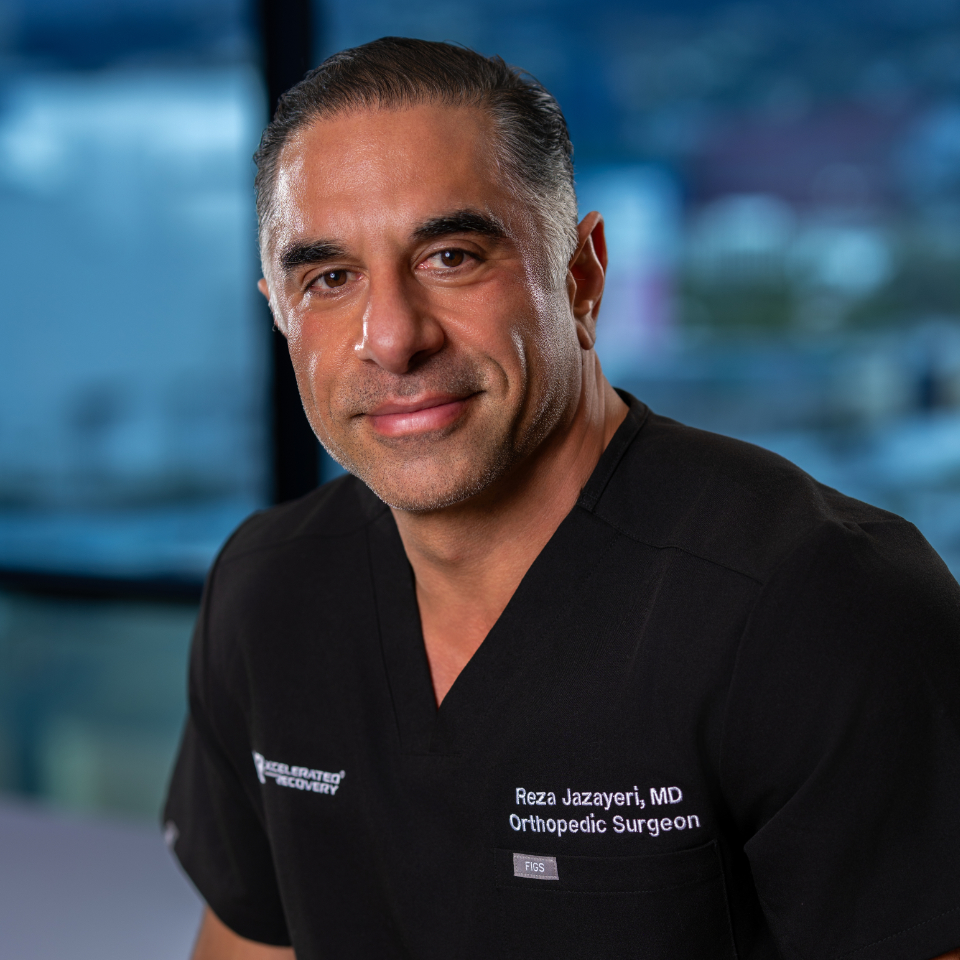
Why Patients Choose Dr. Jaz for Surgical Care
- Coordinated Surgeon and Anesthesia Team: Shared protocols built with the DOCS Health anesthesiologists, so every stage of your care works together.
- Opioid-Sparing, Muscle-Protective Anesthesia: Sensory-only nerve blocks and multimodal pain control designed to help you wake up clearer and move sooner.
- Published Nutrition Research: Peer-reviewed work on amino acid supplementation and nutritional optimization in orthopaedic surgery.
- Sports Medicine Training: Kerlan-Jobe fellowship training and double board certification in orthopedic surgery and sports medicine.
- Three Southern California Offices: Appointments in Los Angeles, Westlake Village and Orange, plus virtual visits.
Meet Dr. Reza Jazayeri
Dr. Reza Jazayeri specializes in sports medicine with expertise in shoulder, knee, and elbow injuries. A Southern California native, Dr. Jazayeri combines an engineering background with elite surgical training, completing his orthopedic surgery residency at the nationally ranked NYU Hospital for Joint Diseases and a sports medicine fellowship at the renowned Kerlan-Jobe Orthopaedic Clinic.
After more than 15 years caring for patients within the Southern California Permanente Medical Group, Dr. Jazayeri joined DOCS Health to expand a practice focused on personalized orthopedic and sports medicine care and surgical excellence. As Director of Longevity at DOCS Health, he leads the development and implementation of optimization protocols and regenerative medicine strategies designed to improve long-term musculoskeletal health and extend healthspan.
His published work includes a 2026 coauthored review of nutritional optimization in spine surgery in the Journal of the American Academy of Orthopaedic Surgeons. View Dr. Jazayeri’s research publications and training.
Plan Your Surgery With Dr. Jaz in Los Angeles
If surgery is part of your path forward, the Surgical Athlete approach helps you go in stronger and come out ready to recover. Dr. Jazayeri sees patients at DOCS Health in Los Angeles, just minutes from Beverly Hills, as well as in Westlake Village and Orange, with virtual consultations available. Schedule a consultation to start building your plan.
This page is for general education only and is not a substitute for personal medical advice. Your care team will create a plan specific to you.
Medically reviewed by Reza Jazayeri, M.D. on