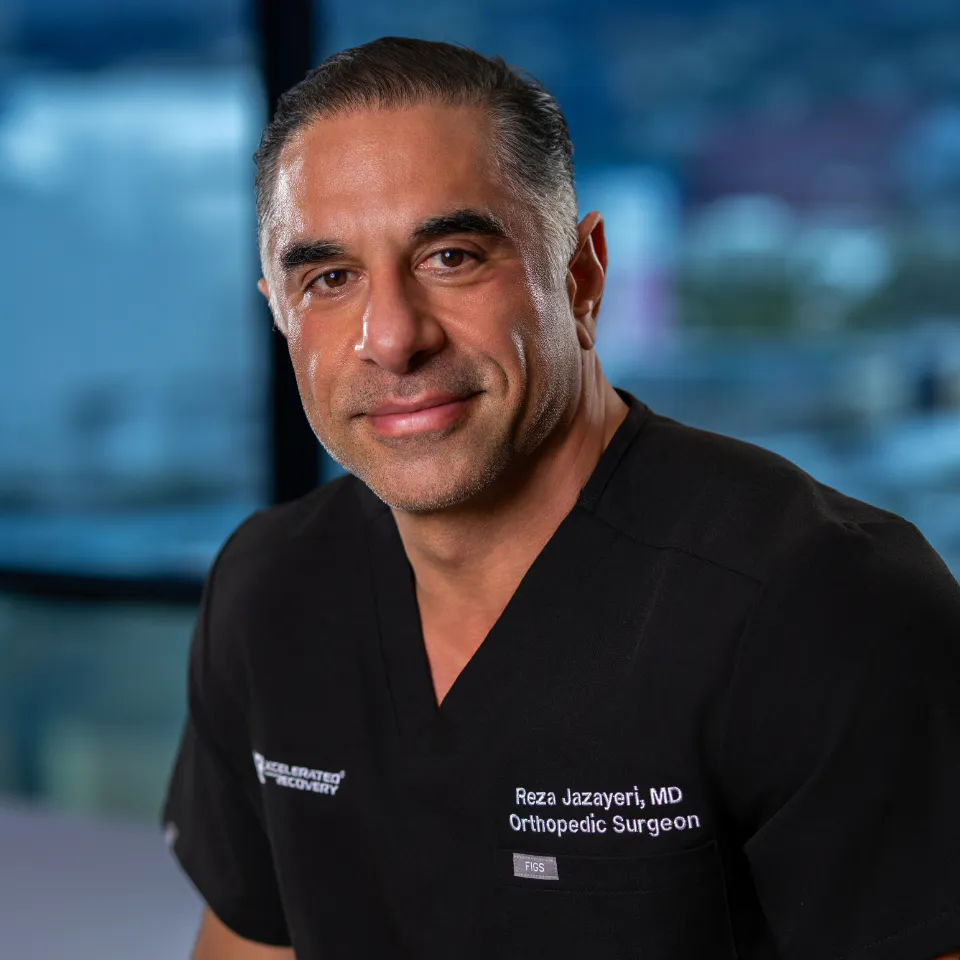
Arthroscopic shoulder surgery offers a minimally invasive way to diagnose and repair shoulder damage without the large incisions of open surgery. Dr. Reza Jazayeri, known to patients as Dr. Jaz, is a double board-certified orthopedic surgeon specializing in sports medicine, with clinical expertise in shoulder care.
His practice, with offices in Beverly Hills, Westlake Village, and Orange, uses advanced arthroscopic techniques to treat rotator cuff tears, labral injuries, and shoulder impingement while preserving healthy tissue. This approach often means less discomfort, smaller scars, and a faster return to daily activity compared to traditional methods.
Arthroscopic Shoulder Surgery Overview
Arthroscopic shoulder surgery uses a small camera called an arthroscope that is inserted through a tiny incision. The camera projects a clear view of the joint onto a monitor, letting the surgeon see cartilage, ligaments, and tendons in detail. Additional small incisions allow specialized instruments to repair damaged structures.
Because the approach disturbs far less muscle and soft tissue than open surgery, it is a common choice for active adults and athletes in Los Angeles who want to preserve shoulder function. The procedure is usually performed on an outpatient basis, and most patients return home the same day.
Benefits Of Arthroscopic Shoulder Surgery
The main advantages of this technique come from its minimally invasive nature. Smaller incisions mean less scarring and reduced post-operative pain for many patients. Because the surrounding muscles and tissues stay largely intact, recovery can progress more smoothly.
Outpatient surgery also lowers the time spent in a surgical facility. For people in the Greater Los Angeles area who need to get back to work, sports, or family routines, these factors can make a meaningful difference. The targeted approach lets the surgeon address only the damaged area while leaving healthy anatomy undisturbed.


Common Conditions Treated With Shoulder Arthroscopy
Shoulder arthroscopy can address several conditions that cause persistent pain and limited motion. Rotator cuff tears are among the most frequent reasons patients seek this procedure. Labral tears, including SLAP tears, can also be repaired arthroscopically.
Shoulder impingement syndrome and related inflammation often respond well when conservative treatments have not provided enough relief. Other conditions include loose bodies in the joint, frozen shoulder that requires capsular release, and damage to the biceps tendon. Each case starts with a thorough evaluation to confirm that surgery is the appropriate next step.
What To Expect During The Procedure
On the day of surgery, you will meet with the anesthesia team to review the plan. Once you are comfortable, the surgeon makes two or three small incisions around the shoulder joint. The arthroscope goes in first, giving a direct view of the joint space.
Sterile fluid gently expands the area for better visibility. The surgeon then uses miniature instruments to repair torn tissue, remove bone spurs, or address inflammation.
The entire process typically takes under two hours. After a short monitoring period, you can go home with a dressing, a sling, and clear instructions for the first few days of recovery.
Recovery Timeline After Shoulder Surgery
Recovery moves through distinct phases. The first week focuses on rest, pain control, and protecting the repair with a sling. Around week two, gentle passive motion often begins under guidance.
By weeks four to six, many patients transition out of the sling and start active-assisted exercises. Strengthening usually starts after eight to twelve weeks, depending on the specific procedure and how the tissue is healing.
Full return to sports or heavy lifting can take four to six months or longer. Your timeline will reflect your injury, your overall health, and how consistently you follow your rehabilitation plan.
Role Of Physical Therapy In Recovery
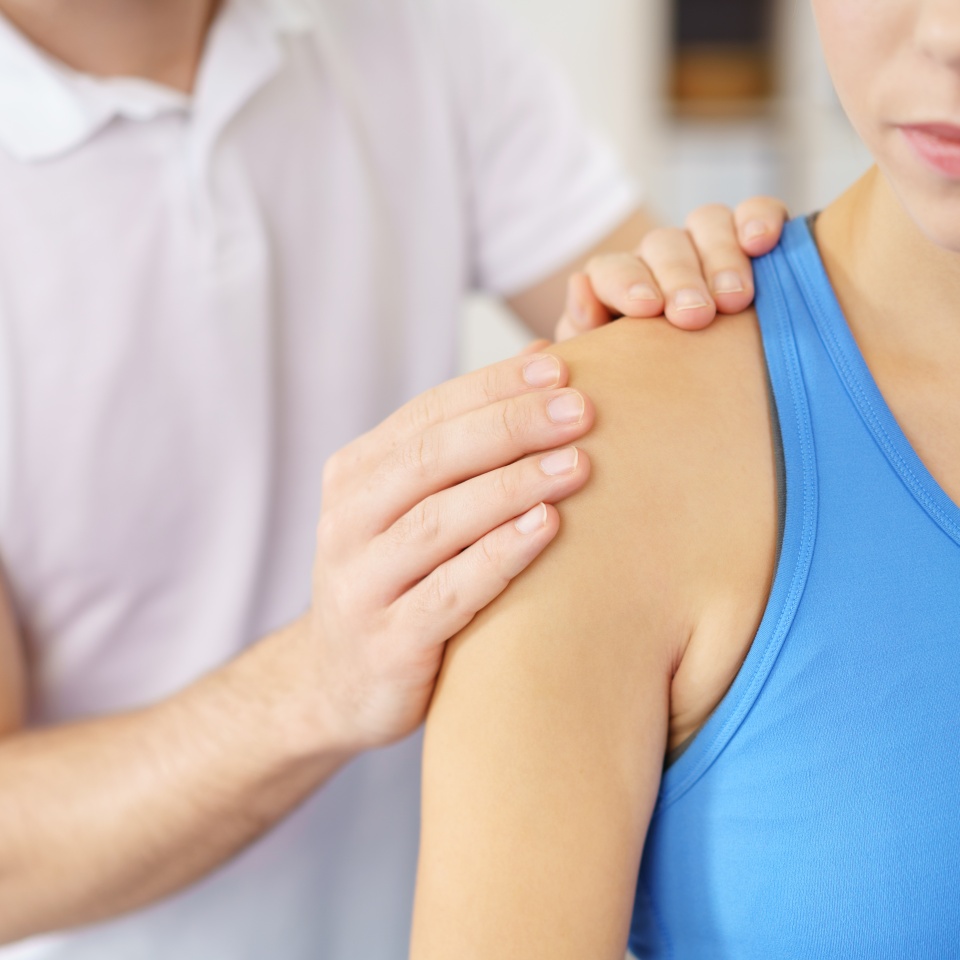
Physical therapy is a central part of healing after arthroscopic shoulder surgery. A structured program helps restore range of motion before gradually building strength. Early sessions focus on protecting the surgical repair while preventing stiffness.
As healing progresses, the therapist introduces exercises that target the rotator cuff and shoulder blade muscles. Consistency matters.
Patients who attend therapy regularly and perform home exercises tend to regain function more predictably. Your surgeon and therapist will coordinate to adjust the program based on your progress and any specific limitations that arise during recovery.

Post-Operative Care For Optimal Healing
Good post-operative care supports the work done in the operating room. Keep the incision sites clean and dry according to your discharge instructions. Use the sling as directed, and do not rush to remove it early.
Sleep in a slightly upright position during the first weeks to reduce swelling. Nutrition plays a role too. Adequate protein intake and proper hydration give your body the building blocks it needs to repair tissue.
Attend all follow-up appointments so your surgeon can check your progress and catch any concerns early. Small daily choices add up to a smoother recovery.
Choosing A Provider For Shoulder Surgery
Selecting a surgeon is a decision that shapes your entire treatment experience. Look for a provider with focused training in shoulder procedures and a practice philosophy that prioritizes non-surgical options first.
Dr. Jazayeri completed his sports medicine fellowship at the Kerlan-Jobe Orthopaedic Clinic in Los Angeles. He also completed his orthopedic surgery residency at NYU Hospital for Joint Diseases.
His clinical approach includes prehabilitation, nutritional optimization, and minimally invasive techniques.
Frequently Asked Questions
-
Arthroscopic shoulder surgery is a minimally invasive procedure used to diagnose and treat shoulder issues. It involves inserting a small camera into the shoulder joint through tiny incisions, allowing the surgeon to see and repair damaged tissues with less disruption than traditional surgery.
-
This surgery can address various conditions, including rotator cuff tears, labral tears, and shoulder impingement. It is often recommended for patients experiencing chronic shoulder pain or injuries from sports or accidents.
-
Recovery typically involves several phases, starting with rest and pain management. Patients usually begin gentle motion exercises within a couple of weeks and may return to normal activities in four to six months, depending on their specific situation.
-
Yes, physical therapy is a crucial part of recovery. It helps restore range of motion and build strength, ensuring a smoother healing process and better outcomes.
-
Look for a surgeon with specialized training in shoulder procedures and a focus on minimally invasive techniques. It’s also beneficial to choose someone who emphasizes non-surgical options first, ensuring a detailed approach to your care.
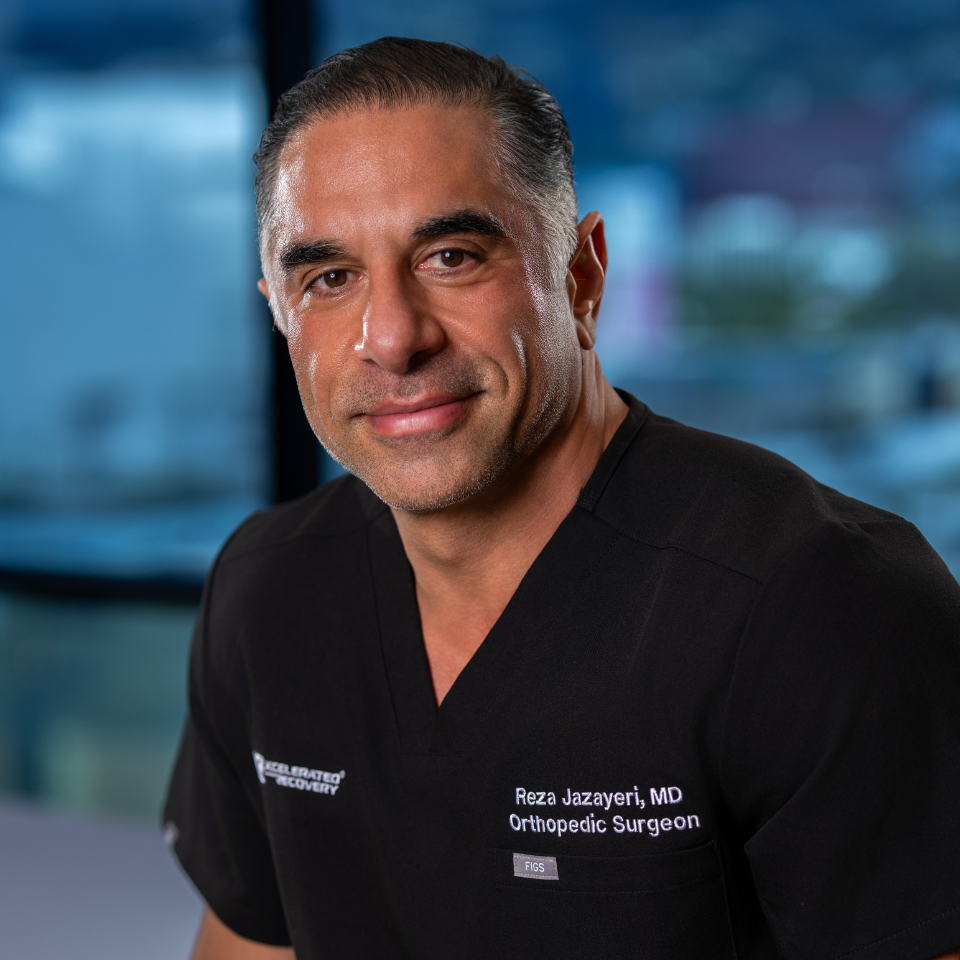
Why Choose Us For Arthroscopic Shoulder Surgery?
We focus on providing care for shoulder issues. Dr. Reza Jazayeri is a double board-certified orthopedic surgeon with over 15 years of experience.
He specializes in sports medicine and has extensive training in shoulder conditions. His training includes a fellowship at the Kerlan-Jobe Orthopaedic Clinic, known for its expertise in this area.
We use advanced arthroscopic techniques to treat injuries like rotator cuff tears and labral injuries. This minimally invasive approach means smaller incisions, less pain, and quicker recovery times. Our goal is to help you get back to your daily activities as soon as possible, while ensuring you receive the best care personalized to your needs.
Meet Dr. Reza Jazayeri
Dr. Reza Jazayeri specializes in sports medicine with expertise in shoulder, knee, and elbow injuries. A Southern California native, Dr. Jazayeri combines an engineering background with elite surgical training, completing his orthopedic surgery residency at the nationally ranked NYU Hospital for Joint Diseases and a sports medicine fellowship at the renowned Kerlan-Jobe Orthopaedic Clinic.
After more than 15 years caring for patients within the Southern California Permanente Medical Group, Dr. Jazayeri joined DOCS Health to expand a practice focused on personalized orthopedic and sports medicine care and surgical excellence. As Director of Longevity at DOCS Health, he leads the development and implementation of optimization protocols and regenerative medicine strategies designed to improve long-term musculoskeletal health and extend healthspan.
His published work includes a 2026 coauthored review of nutritional optimization in spine surgery in the Journal of the American Academy of Orthopaedic Surgeons. View Dr. Jazayeri’s research publications and training.
Doctor Jazayeri did a surgery on my left knee with amazing results, before I was in constant pain and right now I am feeling much much better. He is a comprehensive person and very professional doctor. I am very happy that there are professionals like Doctor Jazayeri he is very prepared human being. Thank you Dr. Jazayeri I know that everywhere that you go you will do amazing job and patients will be blessed that you help them like you helped me. Thank you for everything I am going to miss you.
Schedule Your Consultation Today
If shoulder pain is keeping you from the activities you enjoy, learning more about arthroscopic shoulder surgery is a practical next step. Dr. Jaz meets with patients at his Beverly Hills, Westlake Village, and Orange offices, and offers virtual consultations for those across California and beyond.
With double board certification in orthopedic surgery and sports medicine, he brings focused training and over 15 years of clinical experience to each case. Reach out to the practice today to schedule your evaluation and get a clear plan for moving forward.
Medically reviewed by Reza Jazayeri, M.D. on