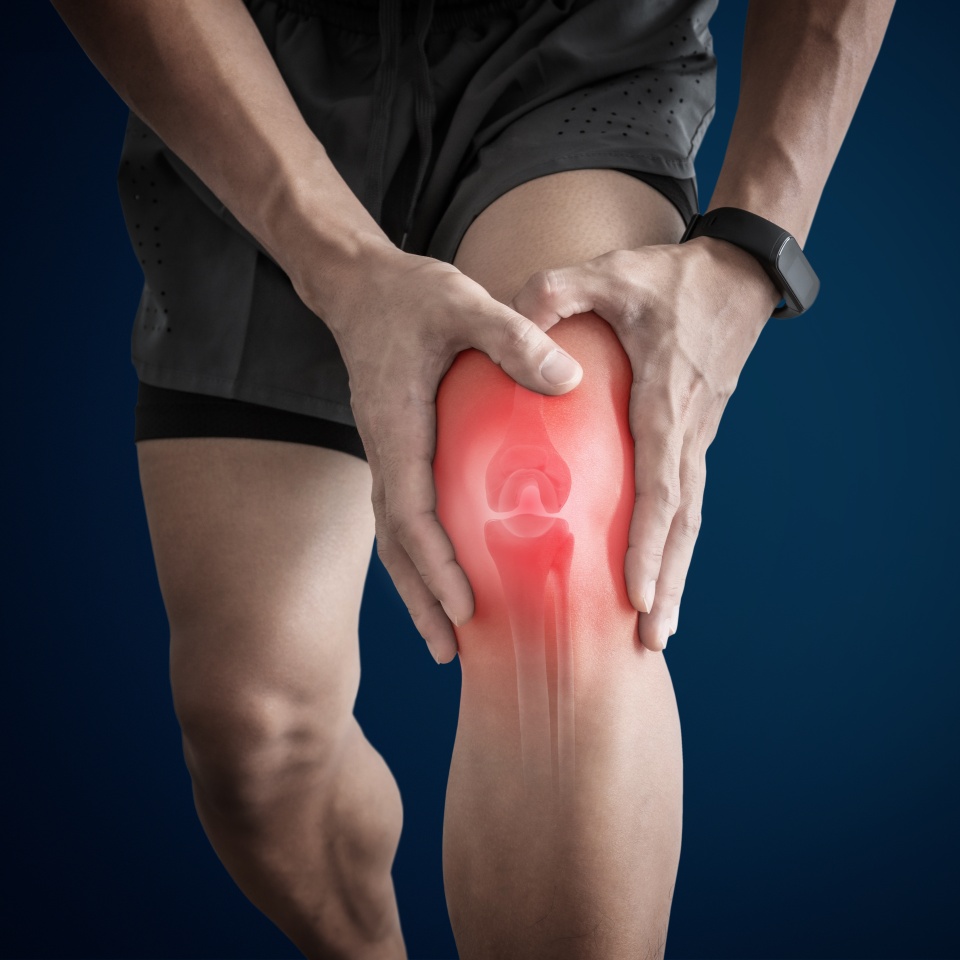
A2M and PPP injections are a non-surgical option for arthritis that use proteins from your own blood to help calm an inflamed joint. They are designed to quiet the inflammation and slow the enzymes that break down cartilage, and they are often combined with PRP or BMAC in a single visit. For active adults with mild to moderate arthritis who want to stay moving and possibly delay surgery, Dr. Jaz offers these ultrasound-guided injections in Los Angeles near Beverly Hills, Westlake Village and Orange.
Reza Jazayeri, MD, serves as Director of DOCS Longevity in the Department of Optimization and Regenerative Medicine at DOCS Health, where he brings orthobiologic treatments together with nutritional and metabolic care. He is double board-certified in orthopedic surgery and sports medicine, completed his residency at NYU Hospital for Joint Diseases and his sports medicine fellowship at the Kerlan-Jobe Orthopaedic Clinic, and has published research on mesenchymal stem cell augmentation in rotator cuff repair. His approach starts with non-surgical care whenever it can keep you active, and he is clear with every patient about what the evidence does and does not yet show.
What Are A2M and PPP Injections?
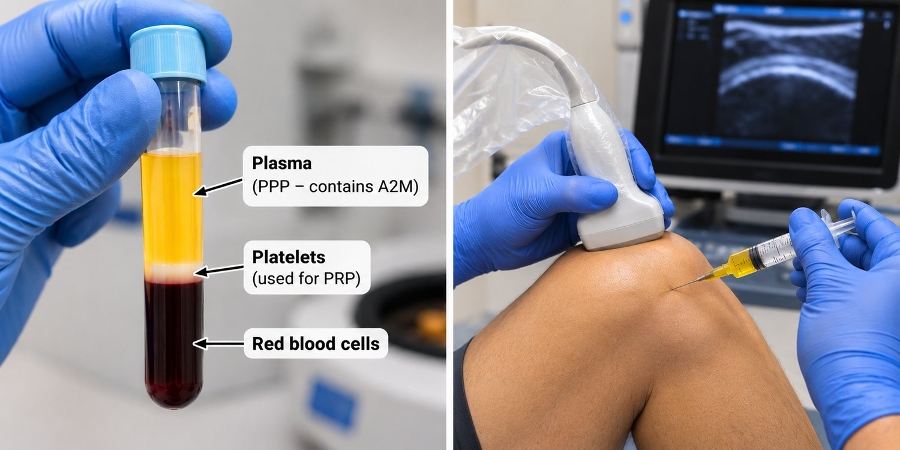
A2M and PPP injections are made from your own blood. A small amount of blood is drawn from your arm and spun in a centrifuge, which separates it into layers:
- Red Blood Cells: These settle at the bottom.
- Platelets: A thin middle layer, which is the part used for platelet-rich plasma (PRP).
- Plasma: The clear yellow fluid on top. When most of the platelets are removed, it is called platelet-poor plasma (PPP).
PPP used to be discarded during PRP preparation, but it contains useful proteins, including alpha-2-macroglobulin (A2M).
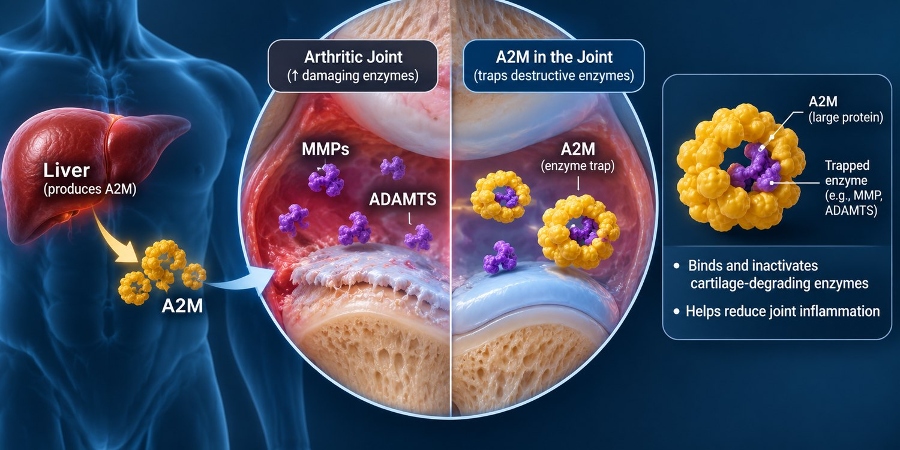
How A2M Works in an Arthritic Joint
A2M is a protein your liver makes naturally. It acts like a trap for the enzymes that break down cartilage, known as MMPs and ADAMTS, and for some of the chemicals that drive joint inflammation. In arthritis, these damaging enzymes can build up faster than the joint’s natural A2M can handle. Because A2M is a very large molecule, it does not easily pass from your blood into the joint. To make an A2M concentrate, the plasma is passed through a special filter that removes water and smaller molecules, leaving a concentrated protein fluid that is injected directly into the joint.
A2M and PPP vs. PRP and BMAC: Protect and Repair
PRP and A2M/PPP are designed to do different jobs. PRP delivers growth factors meant to support healing, while A2M/PPP is meant to calm the joint’s inflammation and slow the enzymes that damage cartilage. Because of this, they are often combined in a single visit, either A2M/PPP with PRP or with bone marrow aspirate concentrate (BMAC).
| PRP and BMAC | A2M and PPP | |
|---|---|---|
| Role | The “repair” side | The “protect” side |
| What It Does | Adds growth and repair signals that encourage healing in and around the joint | Calms inflammation and slows the enzymes that break cartilage down |
The goal is to support repair while quieting the inflamed environment of an arthritic joint at the same time. Everything is prepared from the same blood draw, plus a small bone marrow sample for BMAC, so combining treatments adds little time to your visit.
This combined approach is based on how the treatments work, and it has not yet been proven in large studies to work better than either one alone. Learn more about all of Dr. Jazayeri’s orthobiologic treatments.
“A2M and PPP are not a cure for arthritis. For the right patient, they are one more way to calm an inflamed joint and stay active while we work to delay surgery.”
— Dr. Reza Jazayeri
What the Research Shows About A2M Injections
A2M and PPP are still being studied, and Dr. Jazayeri wants every patient to understand where the evidence stands:
- Lab and Animal Studies Are Encouraging: In animal models of joint injury and arthritis, A2M reduced cartilage damage and inflammation.
- Human Studies Are Early and Small: In a 2024 randomized study of 75 patients with mild to moderate knee arthritis, patients who received A2M improved in pain and function through 12 weeks, but A2M was not clearly better than a steroid injection or PRP. Larger studies are needed.
- Plasma Alone Has Limited Evidence: Evidence that unconcentrated plasma on its own helps knee arthritis is limited.
- No Injection Regrows Cartilage: No injection, including A2M or PRP, has been proven to regrow cartilage or reverse arthritis. The goal is to relieve symptoms and possibly delay surgery.
- Guidelines Are Divided: Professional guidelines disagree on blood-based injections for knee arthritis. Some groups say PRP may help, others recommend against it because the evidence is uncertain, and major arthritis guidelines do not yet include A2M.
A2M and PPP injections are not FDA-approved treatments for arthritis and are offered as an investigational option.
Common Concerns: Am I a Candidate for A2M and PPP?
You may be a candidate if you have mild to moderate arthritis, most often in the knee, and your symptoms have continued despite exercise, physical therapy, weight management and pain medicines. These injections may also suit you if you want to try non-surgical options before considering joint replacement and you understand the treatment is not guaranteed to work. They are usually less helpful for severe, bone-on-bone arthritis.
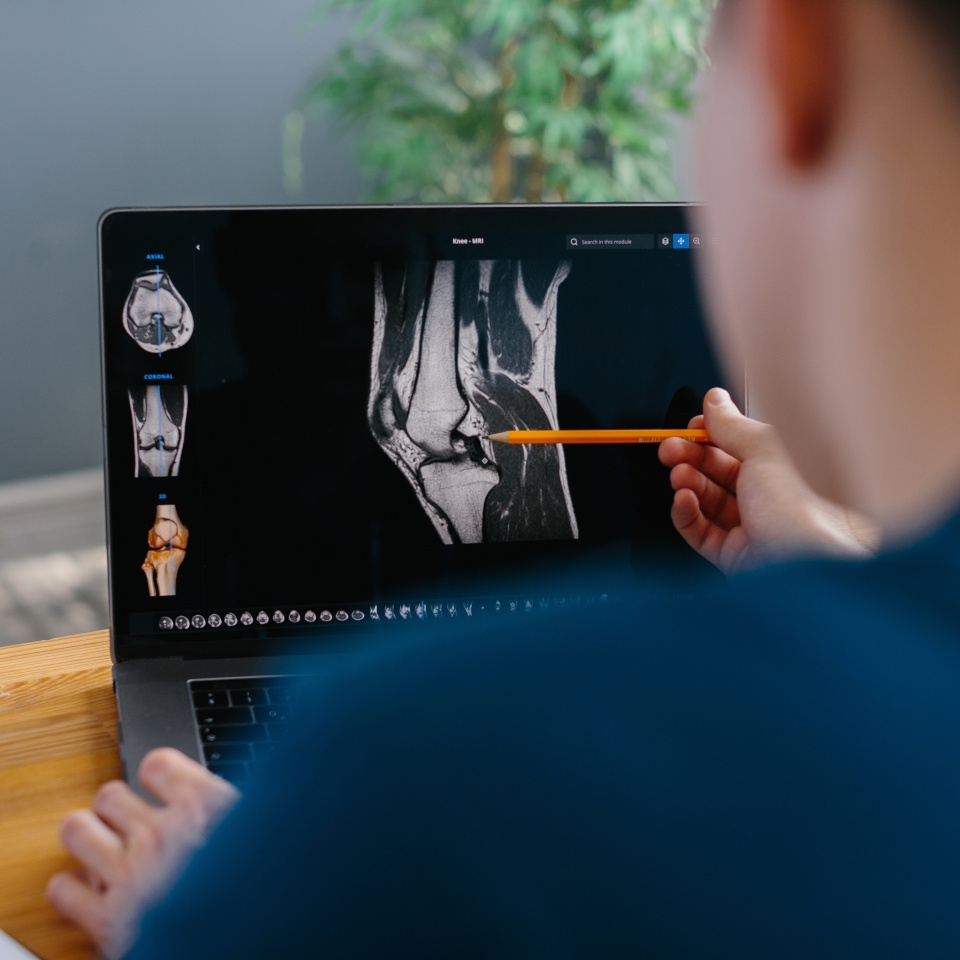
Other options include exercise and physical therapy, weight loss, bracing, pain medicines, steroid or hyaluronic acid injections, PRP, and joint replacement surgery. Dr. Jazayeri reviews your imaging, activity goals and overall health, including factors from his Metabolic Report Card, to help you choose the option that fits.
What to Expect From Your A2M and PPP Injection
Before Your Injection
- Anti-Inflammatory Medicines: Medicines like ibuprofen, naproxen or meloxicam may need to be stopped for several days before the procedure, so follow the exact instructions from the office.
- Blood Thinners: If you take warfarin, apixaban, rivaroxaban, clopidogrel or another blood thinner, tell the team, and do not stop it on your own.
- Health Changes: Let the team know if you have a fever or infection, a skin problem near the joint, a bleeding or blood disorder, or cancer, or if you are pregnant.
- Hydration: Drink plenty of fluids and eat normally that day to make the blood draw easier.
The Day of Your Procedure
- Blood Draw: A small amount of blood is drawn from your arm.
- Processing: Your blood is processed in the office, which takes about 30 to 60 minutes.
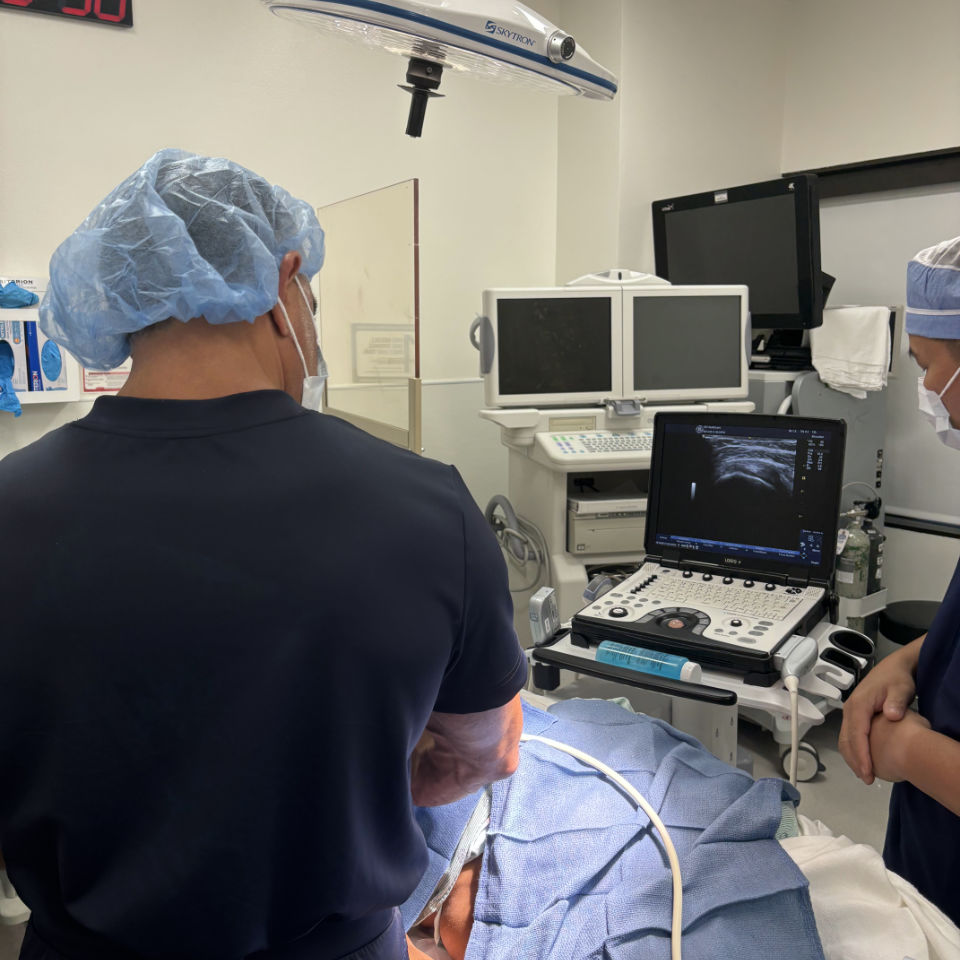
- Ultrasound-Guided Injection: The skin is cleaned, and the injection is guided by ultrasound so it reaches exactly the right place.
- Going Home: You can usually go home the same day.
After Your Injection
Soreness, swelling or stiffness for a few days is common and expected. Keep activity light for a few days, then gradually return to your normal routine and physical therapy as instructed. Avoid anti-inflammatory medicines for the period your care team recommends, and follow the pain control and aftercare steps in your Orthobiologic Therapy Guide. Improvement, if it happens, usually develops over several weeks, and the team typically checks in at about 6 to 12 weeks.
Risks of A2M and PPP Injections
Because the injection comes from your own blood, the risk of an allergic reaction or catching a disease from it is very low. Possible risks include a temporary pain flare or swelling, which is the most common, bruising at the blood draw or injection site, infection, which is rare, and the possibility that the treatment does not help.
When to Call After Your Injection
Call the office right away at 1-844-JAZ-0911 if you have fever or chills, increasing redness, warmth or swelling of the joint after the first two to three days, severe or worsening pain, or you are unable to bear weight. These can be signs of infection, which needs prompt care. If you cannot reach the office, go to the nearest urgent care or emergency department.
Cost and Insurance Coverage
A2M and PPP injections are not FDA-approved treatments for arthritis, and they are usually not covered by insurance. The office will review the cost and number of sessions with you before treatment, so there are no surprises.
Frequently Asked Questions About A2M and PPP Injections
-
PRP delivers growth factors meant to support healing, while A2M is a protein concentrate meant to calm inflammation and slow the enzymes that break down cartilage. Learn more about PRP therapy.
-
Yes. They are often given together in one visit from the same blood draw, although the combination has not yet been proven in large studies to work better than either treatment alone. See how BMAC therapy fits in.
-
No. No injection, including A2M or PRP, has been proven to regrow cartilage or reverse arthritis. The goal is to relieve symptoms and possibly delay surgery.
-
Improvement, if it happens, usually develops over several weeks, and follow-up is typically at about 6 to 12 weeks.
-
Usually not. A2M and PPP injections are not FDA-approved for arthritis, and the office reviews cost with you before treatment.
-
Expect some soreness for a few days, keep activity light, avoid anti-inflammatory medicines for the recommended period and follow your Orthobiologic Therapy Guide.
Why Patients Choose Dr. Jaz for A2M and PPP Injections
- Regenerative Medicine Leadership: He directs DOCS Longevity in the Department of Optimization and Regenerative Medicine at DOCS Health.
- Honest, Evidence-Based Guidance: A clear explanation of what the research shows, what it does not and whether the treatment fits your goals.
- Ultrasound-Guided Precision: Every injection is placed with real-time ultrasound guidance.
- Whole-Patient Approach: Orthobiologics are paired with nutritional and metabolic optimization to support how your body responds.
- Sports Medicine Training: Kerlan-Jobe fellowship training and double board certification in orthopedic surgery and sports medicine.
- Three Southern California Offices: Appointments in Los Angeles, Westlake Village and Orange, plus virtual visits.
Meet Dr. Reza Jazayeri
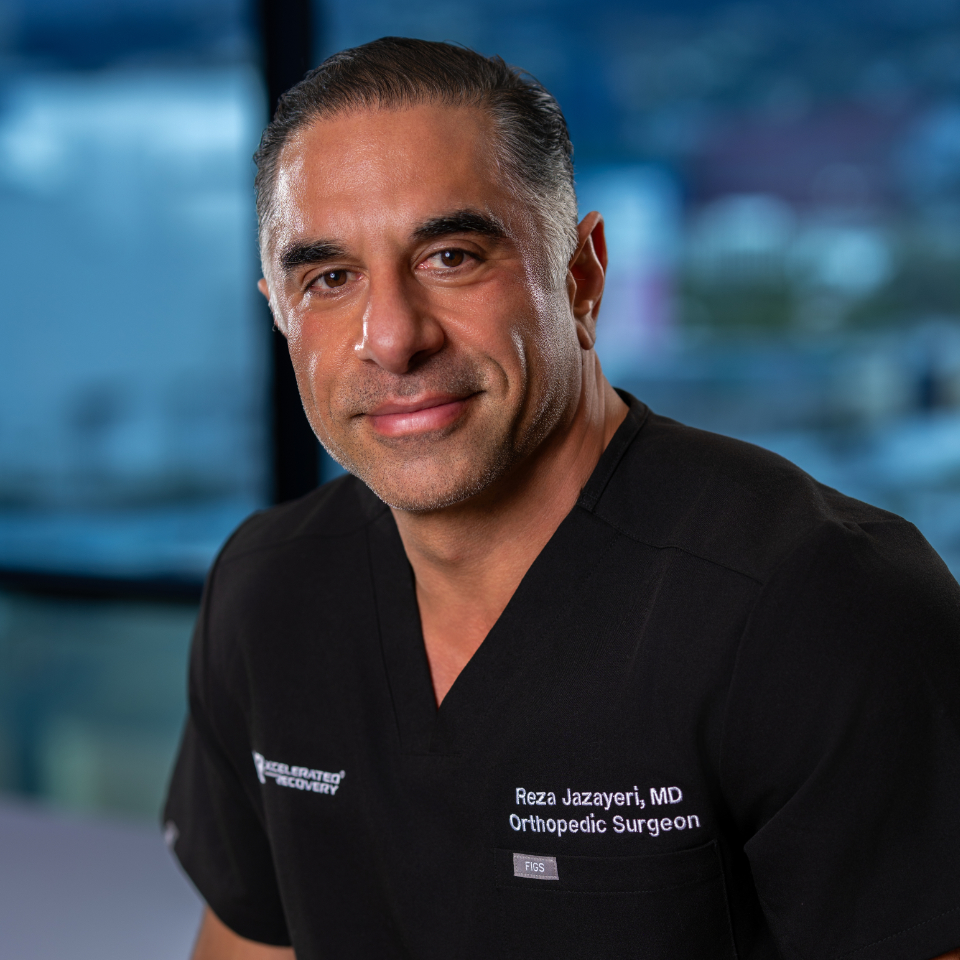
Dr. Reza Jazayeri specializes in sports medicine with expertise in shoulder, knee, and elbow injuries. A Southern California native, Dr. Jazayeri combines an engineering background with elite surgical training, completing his orthopedic surgery residency at the nationally ranked NYU Hospital for Joint Diseases and a sports medicine fellowship at the renowned Kerlan-Jobe Orthopaedic Clinic.
After more than 15 years caring for patients within the Southern California Permanente Medical Group, Dr. Jazayeri joined DOCS Health to expand a practice focused on personalized orthopedic and sports medicine care and surgical excellence. As Director of Longevity at DOCS Health, he leads the development and implementation of optimization protocols and regenerative medicine strategies designed to improve long-term musculoskeletal health and extend healthspan.
His published work includes a 2026 coauthored review of nutritional optimization in spine surgery in the Journal of the American Academy of Orthopaedic Surgeons. View Dr. Jazayeri’s research publications and training.
Dr. Reza Jazayeri is an outstanding orthopedic specialist. From the initial consultation to follow-up care, he demonstrated expertise, professionalism, and genuine compassion. He took the time to explain my diagnosis and treatment options clearly, making sure I was comfortable and informed every step of the way. The results of my treatment exceeded my expectations, and I’m so grateful for his skill and care. I highly recommend Dr. Jazayeri to anyone seeking top-notch orthopedic care!
Schedule A2M and PPP Injections in Los Angeles
If knee or joint arthritis is keeping you from the activities you enjoy, Dr. Jazayeri will help you decide whether A2M and PPP injections, alone or with PRP or BMAC, make sense for you. He sees patients at DOCS Health in Los Angeles, just minutes from Beverly Hills, as well as in Westlake Village and Orange, with virtual consultations available. Schedule a consultation to talk through your options.
This page is for general education and does not replace a discussion with your doctor. A2M and PPP injections are not FDA-approved treatments for arthritis, and results vary by patient.
Medically reviewed by Reza Jazayeri, M.D. on