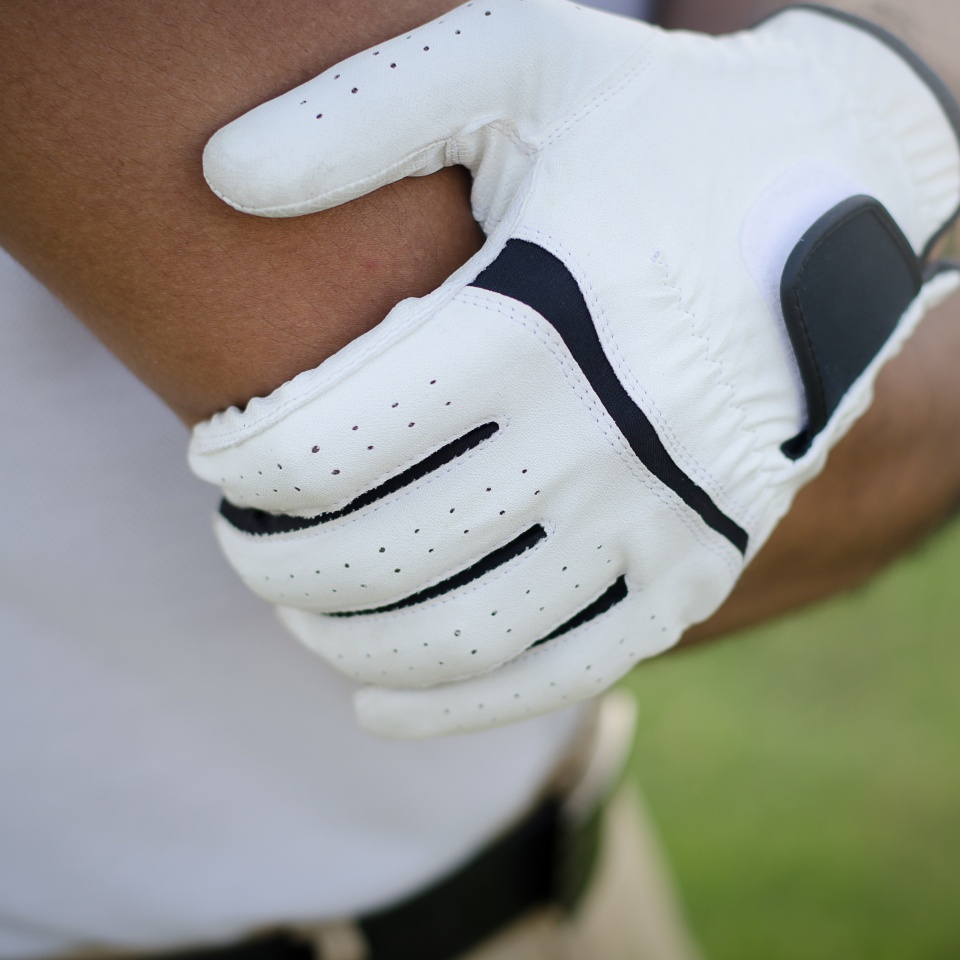
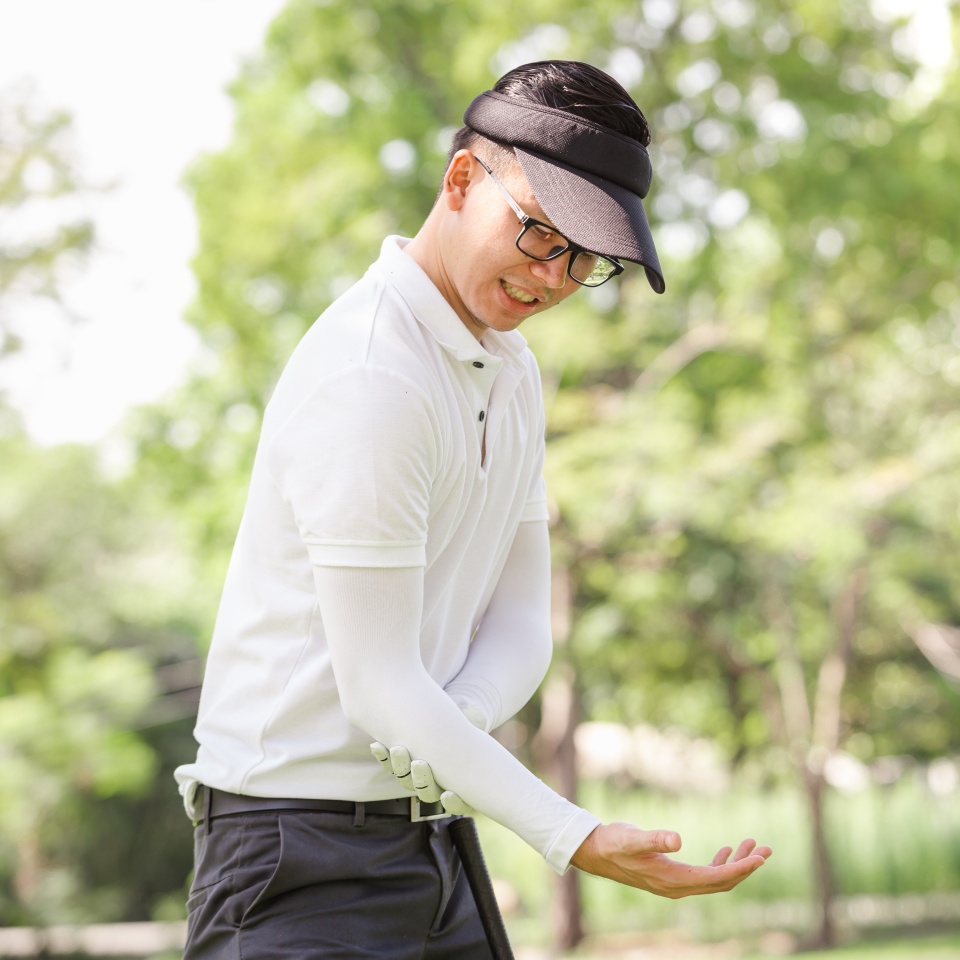
Golfer’s elbow, known clinically as medial epicondylitis, is a painful condition that affects the tendons attaching forearm muscles to the inner elbow. It develops from repetitive wrist flexion and gripping motions, not just from swinging a golf club. If you live in the Greater Los Angeles area and feel persistent inner elbow pain, exploring your treatment options is the first step toward relief.
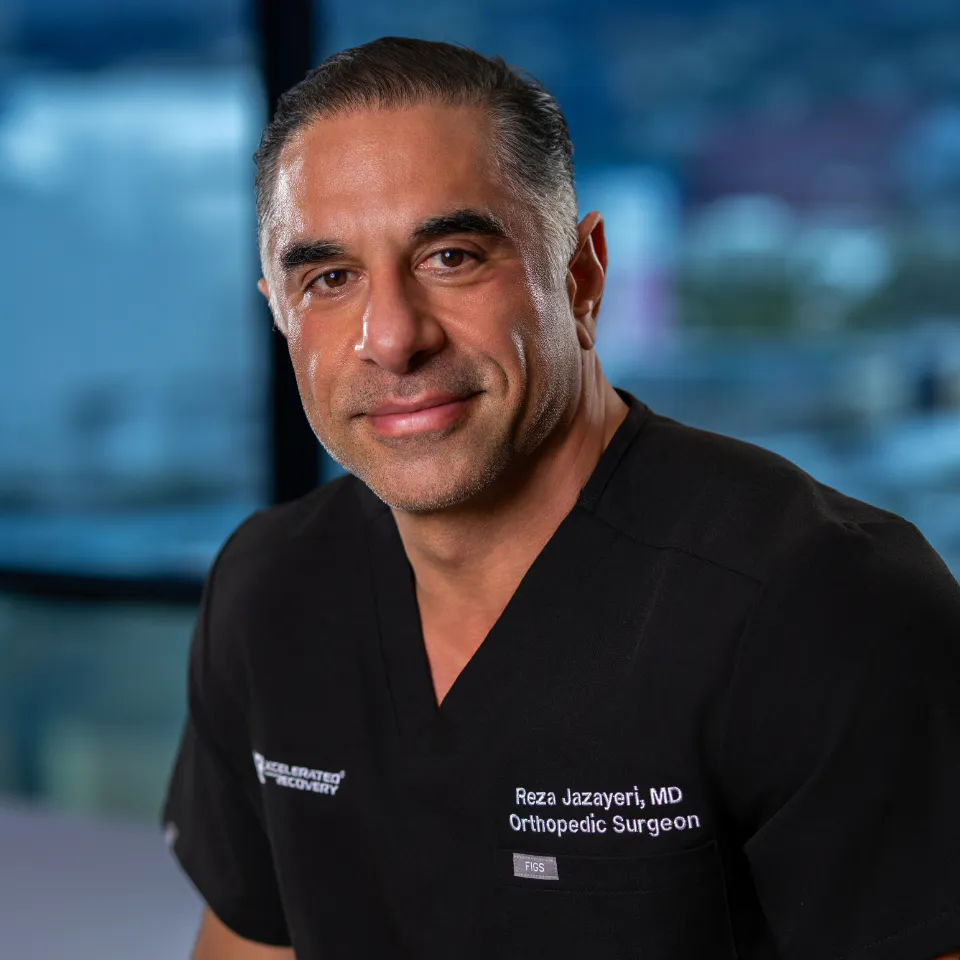
Dr. Reza Jazayeri is a double board-certified orthopedic surgeon specializing in sports medicine. He brings over 15 years of experience to diagnosing and treating this condition. His practice focuses on non-surgical approaches first, using minimally invasive techniques when procedures become necessary.
Symptoms Of Golfer’s Elbow To Recognize Early
Pain and tenderness on the inner side of your elbow are the most common early signs of medial epicondylitis. This discomfort often radiates down the inside of your forearm and may intensify when you bend your wrist, make a fist, or grip objects. You might also notice stiffness in the elbow, especially in the morning, along with weakness in your hands and wrists.
Some people feel numbness or tingling that travels into the ring and little fingers. Recognizing these symptoms early matters because untreated golfer’s elbow can lead to chronic pain and functional limitations. If you notice these signs persisting beyond a few days of rest, a clinical evaluation can help you understand what is happening inside the joint.
Common Causes Of Golfer’s Elbow In Athletes
Despite its name, golfer’s elbow affects far more than golfers. Any repetitive activity that stresses the wrist flexor tendons can cause this condition. Athletes in the Greater Los Angeles area who participate in racket sports, baseball, weightlifting, and combat sports face elevated risk due to repeated gripping and wrist flexion.
Improper technique during swings or lifts often contributes to tendon overload. Sudden increases in training intensity or volume without adequate conditioning also play a role.
Occupational tasks like repetitive typing, painting, or using hand tools can produce the same tendon stress. The underlying issue is cumulative microtrauma to the tendon where it attaches to the medial epicondyle, the bony bump on the inside of your elbow.
Rest And Ice Therapy For Initial Relief
When you first notice inner elbow pain, rest and ice therapy provide a practical starting point for symptom management. Stopping or modifying the activity that triggered your pain gives the irritated tendon time to settle. Apply an ice pack wrapped in a thin cloth to the inner elbow for 15 to 20 minutes at a time, several times per day.
This helps reduce local inflammation and can ease discomfort. Over-the-counter anti-inflammatory medication may also help during the first few days, though you should use these as directed. Rest does not mean complete immobilization.
Gentle, pain-free movement supports circulation and healing. If symptoms do not improve within a week of consistent rest and ice, a more structured treatment plan may be needed.
Role Of Physical Therapy In Recovery
Physical therapy is a cornerstone of medial epicondylitis treatment and focuses on restoring function through targeted exercise. A structured program typically begins with gentle stretching to maintain flexibility in the forearm muscles. As pain decreases, eccentric strengthening exercises are introduced.
These involve slowly lengthening the wrist flexor muscles under controlled load, which helps remodel tendon tissue over time. Your therapist may also use manual techniques to address muscle tightness and improve blood flow to the affected area.
In the Greater Los Angeles area, working with a therapist who coordinates directly with your orthopedic surgeon can create a more integrated recovery plan. Consistency with your home exercise program between sessions makes a measurable difference in how quickly you regain strength and return to activity.
Non-Surgical Options For Golfer’s Elbow Management
Most cases of golfer’s elbow resolve without surgery, and several non-surgical options exist for managing persistent symptoms. Platelet-rich plasma (PRP) therapy uses a concentration of your own platelets to support the body’s healing response in the damaged tendon. Corticosteroid injections may provide short-term pain relief, though their role is typically limited to acute flare-ups.
Dr. Jaz’s practice incorporates biologics and orthobiologics into treatment plans when appropriate, drawing on his clinical experience with regenerative medicine. A counterforce brace worn on the forearm can also reduce strain on the tendon during daily activities. The key is matching the right intervention to your specific situation, activity demands, and how long symptoms have been present.
Preventive Measures To Avoid Golfer’s Elbow
Preventing medial epicondylitis starts with how you prepare for and perform repetitive arm movements. Warming up properly before sports or manual work increases blood flow to forearm muscles and tendons, using correct technique during golf swings, racket strokes, and weightlifting reduces unnecessary strain on the inner elbow. Gradually increasing training intensity gives tendons time to adapt rather than breaking down under sudden overload.
Ergonomic adjustments to your workstation, such as using a vertical mouse or padded keyboard support, can lower daily tendon stress. Strengthening the forearm, shoulder, and core muscles creates better overall mechanics and distributes force more evenly across your arm. These habits are especially relevant for active adults and athletes throughout the Greater Los Angeles region who want to stay in their sport or activity long-term.


Seeking Professional Help For Persistent Symptoms
If your inner elbow pain lingers despite rest and conservative measures, a professional evaluation becomes important. Persistent golfer’s elbow can progress to chronic pain, grip weakness, and difficulty performing everyday tasks like opening jars or shaking hands. Dr. Jaz sees patients at his Beverly Hills, Westlake Village, and Orange offices.
His clinical focus on shoulder, knee, and elbow care means your evaluation is grounded in specialized sports medicine training. He completed his orthopedic surgery residency at NYU Hospital for Joint Diseases and his fellowship at the Kerlan-Jobe Orthopaedic Clinic, one of the most respected sports medicine programs in the country. Virtual consultations are also available for patients across California and beyond.
Frequently Asked Questions About Golfer’S Elbow Treatment
-
Golfer’s elbow, or medial epicondylitis, is a condition that causes pain on the inner side of the elbow. It usually results from repetitive wrist flexion and gripping activities, affecting not just golfers but also athletes in various sports and people with certain occupations.
-
Common symptoms include pain and tenderness on the inner elbow, which may radiate down the forearm. You might also experience stiffness, weakness in your grip, and sometimes numbness or tingling in the fingers.
-
Initial treatment often involves rest and ice therapy to reduce inflammation. Over-the-counter pain relievers can help manage discomfort, but if symptoms persist for more than a week, it’s a good idea to seek professional advice.
-
If your elbow pain continues despite home treatment, you should consult a healthcare professional. Persistent symptoms can lead to chronic issues, and a specialist can provide a personalized treatment plan.
-
Non-surgical options include physical therapy, corticosteroid injections, and platelet-rich plasma (PRP) therapy. These methods aim to relieve pain and promote healing without the need for surgery.
Why Choose Us For Golfer’s Elbow Treatment?
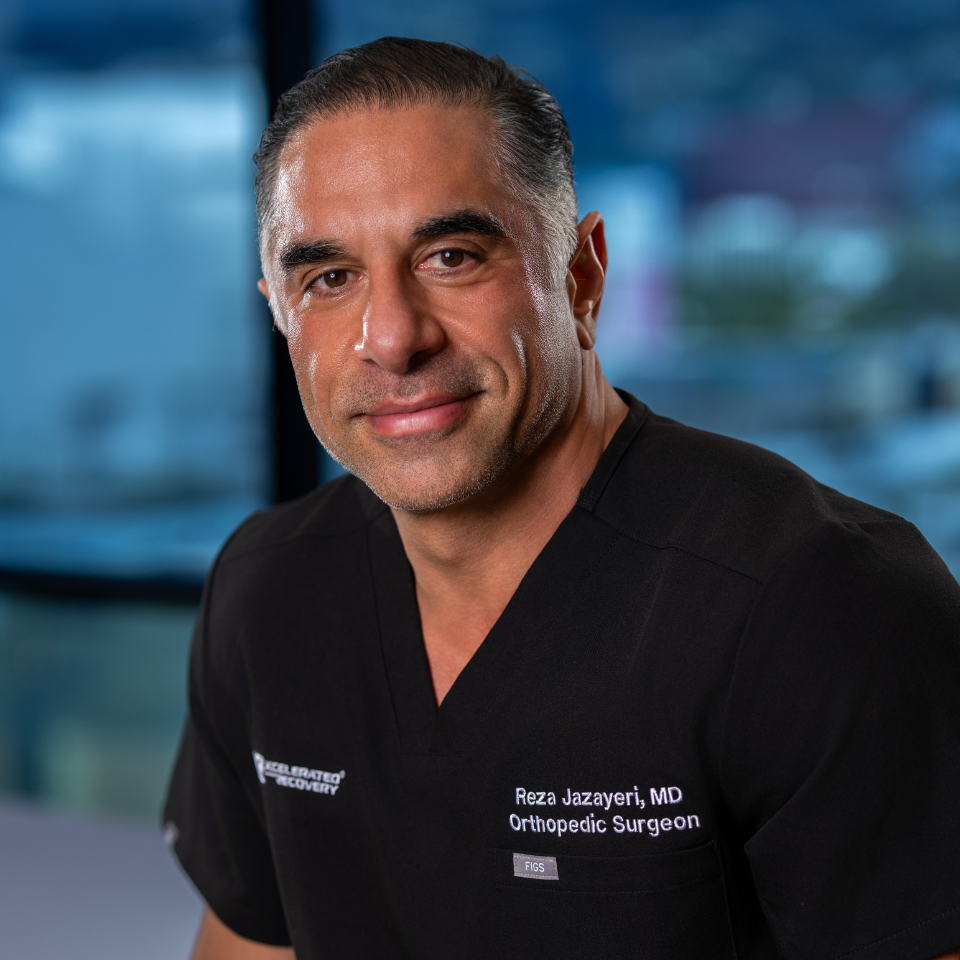
We understand how frustrating golfer’s elbow can be. Dr. Reza Jazayeri is a double board-certified orthopedic surgeon with over 15 years of experience in sports medicine.
He specializes in elbow care and focuses on non-surgical options first. This means you can expect a treatment plan that prioritizes your comfort and recovery.
Our approach combines advanced techniques with personalized care. We offer physical therapy, PRP therapy, and other non-invasive treatments personalized to your needs.
Dr. Jazayeri’s training at top institutions like NYU and the Kerlan-Jobe Orthopaedic Clinic ensures you receive experienced guidance. We’re here to help you get back to your activities pain-free.
Meet Dr. Reza Jazayeri
Dr. Reza Jazayeri specializes in sports medicine with expertise in shoulder, knee, and elbow injuries. A Southern California native, Dr. Jazayeri combines an engineering background with elite surgical training, completing his orthopedic surgery residency at the nationally ranked NYU Hospital for Joint Diseases and a sports medicine fellowship at the renowned Kerlan-Jobe Orthopaedic Clinic.
After more than 15 years caring for patients within the Southern California Permanente Medical Group, Dr. Jazayeri joined DOCS Health to expand a practice focused on personalized orthopedic and sports medicine care and surgical excellence. As Director of Longevity at DOCS Health, he leads the development and implementation of optimization protocols and regenerative medicine strategies designed to improve long-term musculoskeletal health and extend healthspan.
His published work includes a 2026 coauthored review of nutritional optimization in spine surgery in the Journal of the American Academy of Orthopaedic Surgeons. View Dr. Jazayeri’s research publications and training.
I am a hairdresser and I couldn’t work for the past 2 years. I saw Dr. Jayazeri and he did my shoulder replacement surgery. It was the best experience I’ve ever had. He is an amazing surgeon and human being. Now 5 weeks after my surgery, I’m back at work! I highly recommend Dr. Jazayeri.
Schedule Your Consultation For Golfer’s Elbow Care
Living with elbow pain does not have to be your normal. Whether you are an athlete trying to get back to competition or an active adult who wants to lift, swing, or work without discomfort, effective treatment for golfer’s elbow starts with an accurate diagnosis. Dr. Jazayeri takes a non-surgical-first approach, exploring therapy and injection options before considering surgery.
When procedures are needed, he uses minimally invasive techniques across shoulder, knee, and elbow care. With convenient access for patients throughout the Greater Los Angeles area, you can schedule a consultation at his Beverly Hills, Westlake Village, or Orange office and begin a treatment plan based on your specific goals and activity level.
Medically reviewed by Reza Jazayeri, M.D. on