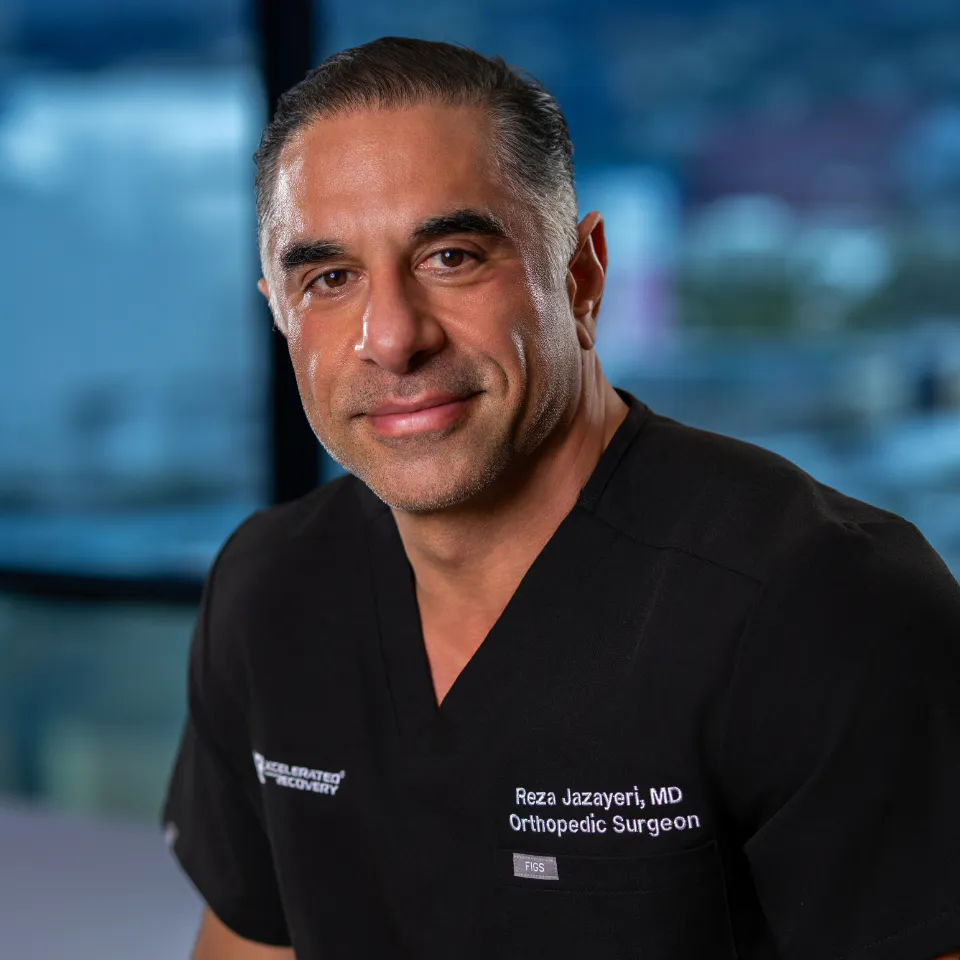
Getting back to the sport you love takes more than waiting for pain to fade. A safe and effective return to sport and performance depends on a structured, phased process that rebuilds your body step by step. Dr. Reza Jazayeri, a double board-certified orthopedic surgeon who completed his sports medicine fellowship at the Kerlan-Jobe Orthopaedic Clinic in Los Angeles, brings over 15 years of experience treating athletes and active adults across Southern California.
His clinical focus on the shoulder, knee, and elbow means he understands what your joints need to handle sport-specific demands again. Rushing the timeline often leads to setbacks. The right plan keeps you moving forward.
Key Phases In The Return To Sport Process
Returning to sport follows clear phases, each one building on the last. You start by controlling pain and swelling while restoring basic range of motion. Next comes neuromuscular re-education, where your body relearns movement patterns that injury may have disrupted.
Strength rebuilding follows, targeting the muscles that support your injured joint. After that, you move into power and agility work before finally reaching sport-specific training.
Skipping a phase or moving too fast through one can leave gaps in your recovery. Dr. Jazayeri’s approach uses objective benchmarks at each stage so you advance only when your body shows it is ready, not just when the calendar says so.
Timeline For ACL Recovery And Return To Play
ACL recovery follows a well-researched timeline, though every athlete moves through it differently. Most athletes reach full return to sport between 9 and 12 months after surgery. The first six weeks focus on reducing swelling, restoring knee extension, and activating the quadriceps.
Months two through four emphasize progressive strengthening and balance training. Around month five or six, you may begin light jogging and controlled agility drills if strength benchmarks are met.
The later months introduce cutting, pivoting, and sport-specific loading. Dr. Jazayeri’s BOAT Protocol (Biologically Optimized ACL Technique) integrates biologic augmentation and metabolic optimization into both the surgical and recovery framework. This approach supports tissue healing throughout this timeline.

Restoring Motion And Stability After Injury
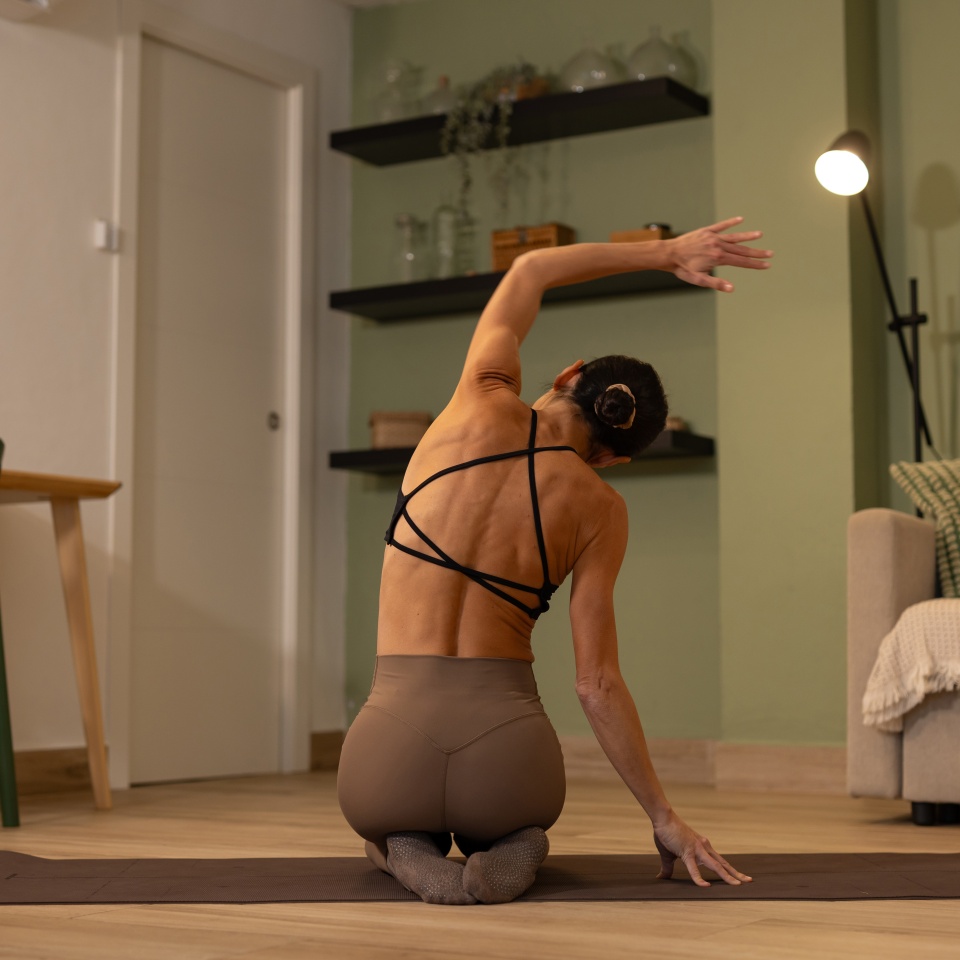
Motion and stability form the foundation everything else sits on. Early rehabilitation targets full knee extension, which affects walking mechanics and quadriceps function. You also work on controlled flexion and patellar mobility.
Stability training begins with simple weight shifts and single-leg balance before progressing to unstable surfaces. For shoulder injuries, restoring scapular control and rotator cuff timing takes priority.
Without these basics, strength gains later will be built on a shaky base. Dr. Jazayeri’s team guides you through these early milestones with clear, measurable targets so you know exactly what to work toward each week.
Rebuilding Strength For Athletic Performance
Strength rebuilding goes beyond the injured structure. You need to restore force production in the surrounding muscles and address any weaknesses that may have contributed to the injury. For knee patients, this means quadriceps and hamstring strength, but also hip and core stability.
For shoulder patients, rotator cuff and periscapular strength are essential. Research consistently shows that strength asymmetries between limbs increase reinjury risk.
Dr. Jazayeri uses preoperative lab testing, including vitamin D levels and muscle status markers, to identify factors that may affect your strength recovery. “This nutritional and metabolic optimization may be included in his protocol, backed by his own peer-reviewed research, and is intended to support recovery.”
Sport-Specific Training For Optimal Readiness
General fitness is not the same as sport readiness. Sport-specific training replicates the demands your body will face during actual play. A basketball player needs vertical jumping, lateral shuffling, and rapid deceleration.
A pitcher needs throwing volume progression and rotational power. A soccer player needs cutting, sprinting, and contact preparation. This phase also reintroduces the cognitive load of your sport, like reading opponents and reacting under fatigue.
Dr. Jazayeri, who serves as faculty at the Smith+Nephew UFC Combat Sports Medicine Course, understands the unique demands different sports place on the body. His return to sport protocols are shaped by this experience with athletes across many disciplines, from recreational leagues to combat sports.
For dance-specific considerations, see our guide to dance and performing arts injuries.
Assessing Athlete Readiness For Competition
Readiness is not a feeling. It is a set of measurable criteria. Common assessment tools include isokinetic strength testing, hop testing for symmetry, and movement quality screens.
Psychological readiness matters too. Fear of reinjury can alter movement patterns and increase actual risk. A thorough assessment looks at both physical benchmarks and confidence levels.
Dr. Jazayeri applies objective testing throughout the return to sport process, drawing on his training at the Kerlan-Jobe Orthopaedic Clinic and his 15-plus years of clinical experience. Athletes benefit from this structured evaluation approach, which helps reduce guesswork from the decision to return to play.
Monitoring Progress During The Return Journey
Progress is rarely a straight line. Some weeks bring big gains. Others feel flat.
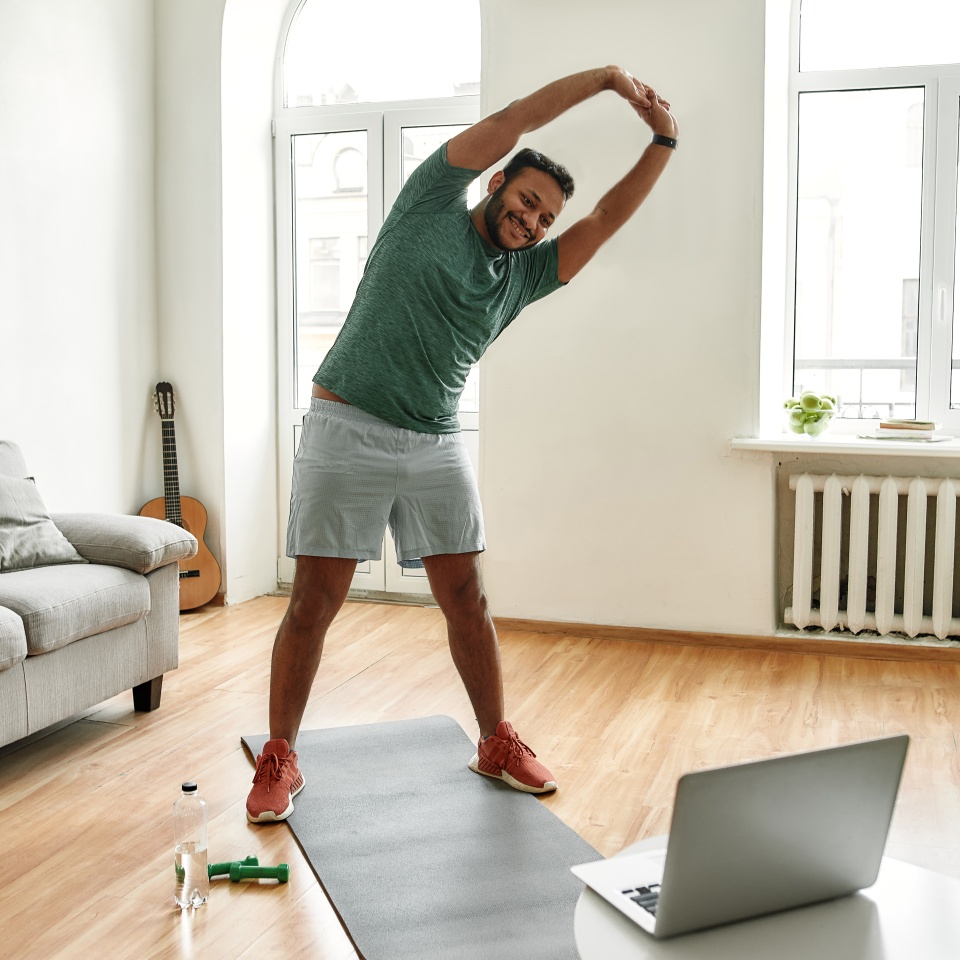
Regular monitoring helps you see the trend rather than getting stuck on a single session. Tracking tools can include strength logs, range of motion measurements, and functional test scores. Dr. Jazayeri offers a digital rehab partnership through myHealthTrack, a remote recovery program that keeps you connected to your plan between office visits.
This is especially helpful for patients across the Greater Los Angeles area who balance busy schedules with rehabilitation demands. Consistent monitoring also allows for timely adjustments. If something is not progressing as expected, the plan changes before weeks are lost.
Frequently Asked Questions
-
Most athletes can expect to return to their sport between 9 to 12 months after surgery. The recovery process involves several phases, starting with reducing swelling and restoring motion, followed by strength rebuilding and sport-specific training.
-
Readiness is assessed through measurable criteria like strength testing and movement quality screens. It’s also important to consider psychological readiness, as fear of reinjury can affect performance.
-
The return to sport process includes phases like restoring motion and stability, rebuilding strength, and engaging in sport-specific training. Each phase builds on the last, and skipping any can lead to setbacks.
-
Dr. Jazayeri uses a structured approach that includes objective benchmarks at each stage of recovery. His protocols also incorporate nutritional optimization and minimally invasive techniques as part of the surgical approach.
-
Regular monitoring helps track progress and identify any issues early on. Tools like strength logs and functional test scores allow for timely adjustments to the recovery plan, ensuring you stay on track.
Why Choose Us For Your Return To Sport
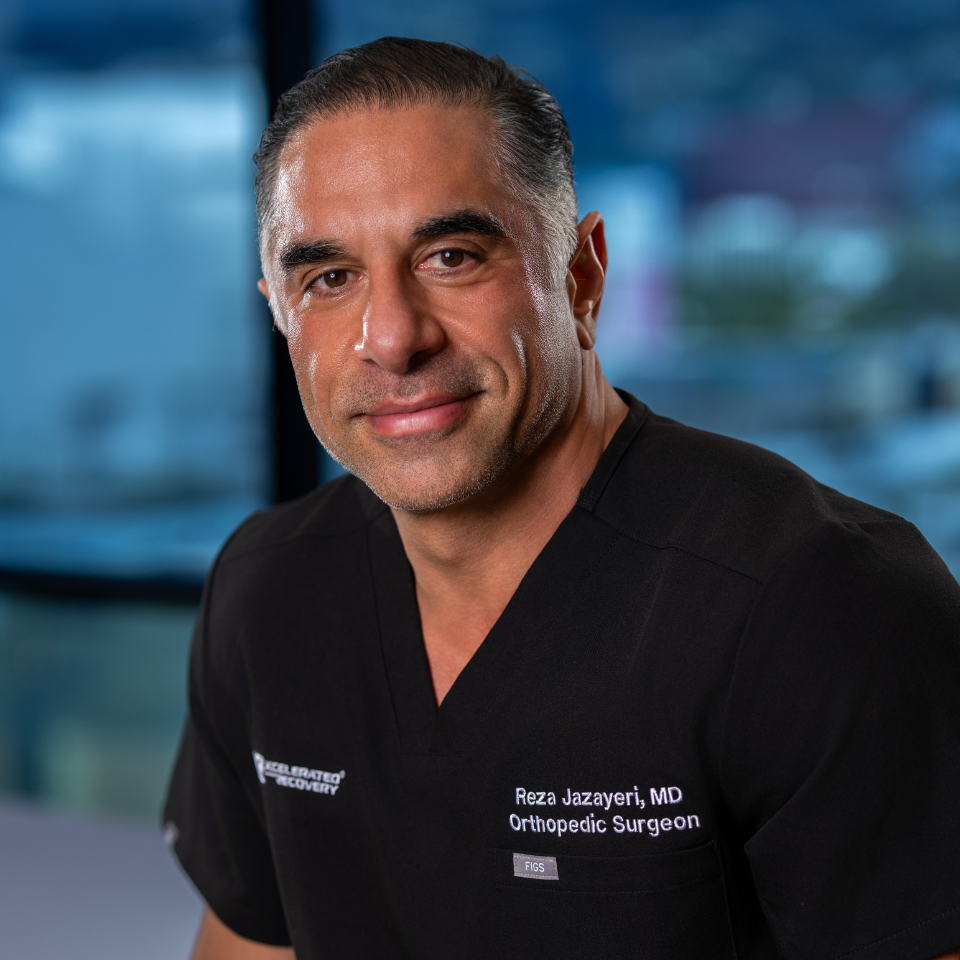
We understand that getting back to your sport after an injury is a journey. Dr. Reza Jazayeri, a double board-certified orthopedic surgeon, has over 15 years of experience helping athletes in the Greater Los Angeles area.
His focus on shoulder, knee, and elbow care means you get experienced guidance based on your specific needs. We prioritize a structured recovery plan that emphasizes safety and effectiveness.
Our approach includes clear phases for rehabilitation. Each phase builds on the last, ensuring you regain strength, stability, and confidence before returning to play.
We use objective assessments to track your progress, so you only advance when your body is truly ready. With Dr. Jazayeri’s expertise and personalized protocols, you can trust that your recovery is in capable hands.
Meet Dr. Reza Jazayeri
Dr. Reza Jazayeri specializes in sports medicine with expertise in shoulder, knee, and elbow injuries. A Southern California native, Dr. Jazayeri combines an engineering background with elite surgical training, completing his orthopedic surgery residency at the nationally ranked NYU Hospital for Joint Diseases and a sports medicine fellowship at the renowned Kerlan-Jobe Orthopaedic Clinic.
After more than 15 years caring for patients within the Southern California Permanente Medical Group, Dr. Jazayeri joined DOCS Health to expand a practice focused on personalized orthopedic and sports medicine care and surgical excellence. As Director of Longevity at DOCS Health, he leads the development and implementation of optimization protocols and regenerative medicine strategies designed to improve long-term musculoskeletal health and extend healthspan.
His published work includes a 2026 coauthored review of nutritional optimization in spine surgery in the Journal of the American Academy of Orthopaedic Surgeons. View Dr. Jazayeri’s research publications and training.
Dr. Jazayeri is a miracle worker. After blowing out my elbow and distal bicep tendon, he moved quickly to get everything put back together. I’m pretty athletic and after seeing the extent of the damage, the doc opted for an allograft; I’m so happy that he did. It’s been about 4 months since the surgery and my range of motion and functional strength are better than they were before I injured myself. This is a top-notch Orthopedic Surgeon who specializes in sports related injuries. If you’re in need, this is your guy.
Take The Next Step In Your Recovery Journey
Your return to sport and performance deserves a plan built on experience, evidence, and attention to detail. Dr. Reza Jazayeri brings double board certification in orthopedic surgery and sports medicine, fellowship training at the Kerlan-Jobe Orthopaedic Clinic, and over 15 years of clinical practice to every recovery he guides. His practice serves patients throughout the Greater Los Angeles area. Virtual consultations are also available for patients across California and beyond. Take the next step in your recovery and start building a clear path back to the activities that matter most to you.
Medically reviewed by Reza Jazayeri, M.D. on