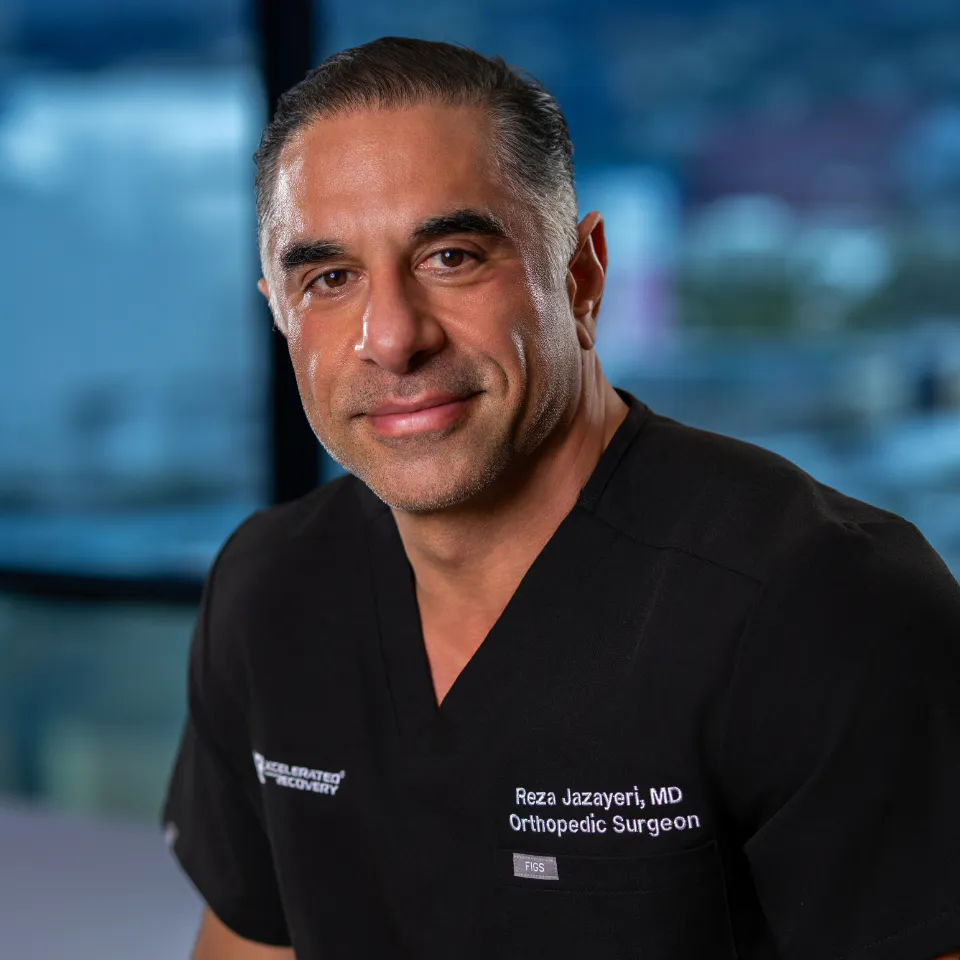
Distal biceps tendon injuries can stop active adults in their tracks. These tears happen where the biceps muscle connects to the radius bone near the elbow, often during a sudden heavy lift or forced straightening of the arm. Dr. Reza Jazayeri is a double board-certified orthopedic surgeon specializing in sports medicine, with clinical expertise in shoulder, knee, and elbow care from the Kerlan-Jobe Orthopaedic Clinic in Los Angeles.
His clinical focus includes the shoulder, knee, and elbow, and he brings over 15 years of experience treating athletes and active adults throughout the Greater Los Angeles area. When you face a distal biceps tendon injury, knowing your full range of treatment options helps you make a clear, confident decision.
Symptoms Of Distal Biceps Tendon Injuries To Recognize
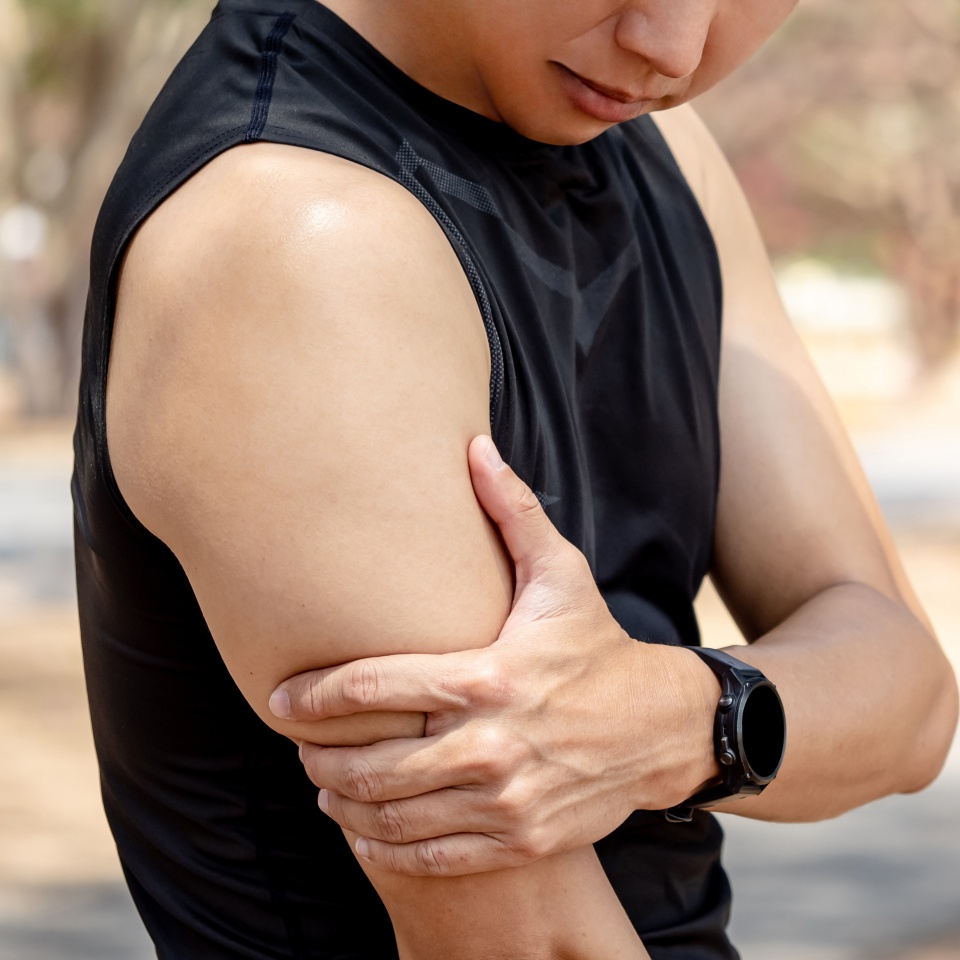
Most people describe a sudden, sharp pop at the front of the elbow during a forceful movement. This is often followed by immediate pain and visible swelling. You may notice weakness when you try to bend your elbow or turn your palm upward, like when holding a tool or lifting a bag.
Bruising can appear along the upper arm and forearm within a day or two. Some patients also feel a cramping sensation in the biceps muscle.
The tendon may roll up toward the shoulder, creating a bulge in the upper arm that looks different from the uninjured side. Recognizing these signs early and seeking evaluation can affect your recovery path.
How Distal Biceps Tendon Injuries Are Diagnosed
Diagnosis starts with a focused physical exam. Your doctor will check for tenderness at the elbow crease, test your strength during elbow bending and forearm rotation, and look for changes in muscle shape. A hook test is commonly used.
The examiner tries to hook a finger under the tendon near the elbow. If the tendon is absent, a complete rupture is likely. Imaging confirms the clinical findings.
MRI gives a clear view of the tendon and shows whether the tear is partial or complete. It also reveals how far the tendon has retracted. In the Greater Los Angeles area, patients have access to high-resolution imaging that supports accurate treatment planning.

Non-Surgical Management For Partial Biceps Tears
Partial tears that leave the tendon mostly intact may respond well to non-surgical care. This path typically includes a short period of rest and activity modification to let pain and swelling settle. Physical therapy follows, focusing on gentle range of motion and gradual strengthening of the arm.
Your therapist will guide you on which movements to avoid while the tendon heals. Some patients benefit from biologic injections like platelet-rich plasma to support the body’s healing response.
Dr. Jaz explores non-surgical options first whenever possible. He applies his sports medicine training to help active adults in Los Angeles and Beverly Hills return to their routines without surgery when the injury pattern allows it.
Surgical Repair Techniques For Complete Biceps Ruptures
Complete ruptures usually need surgery to restore strength and function. The goal is to reattach the torn tendon to the radius bone. Two common approaches exist.
The single-incision technique uses one cut at the front of the elbow and secures the tendon with a suture anchor or button device inside the bone. The double-incision technique adds a small second cut on the back of the forearm to pass the tendon through a bone tunnel. Both methods have strong track records.
Timing matters. Surgery performed within two to four weeks of injury tends to produce better results before scar tissue and tendon retraction make the repair more difficult. Dr. Jazayeri uses minimally invasive techniques to reduce tissue disruption.
Rehabilitation Strategies After Biceps Tendon Surgery
Rehabilitation follows a structured, phased plan. The first stage protects the repair with a splint or brace, and you will perform only passive movements guided by a therapist. Active motion begins gradually around the four-to-six-week mark.
Strengthening work starts later, usually after three months, and progresses based on your healing and comfort. Dr. Jaz incorporates prehabilitation before surgery when possible, preparing the arm with conditioning exercises that support a smoother recovery.
His approach also includes nutritional and metabolic optimization, with preoperative lab testing for vitamin D, inflammatory markers, and muscle status. This whole-body preparation is part of the care available to patients in the Greater Los Angeles area.

Long-Term Outlook For Distal Biceps Tendon Injuries
Most people who receive timely treatment regain functional use of their arm. Surgical repair for complete tears typically restores near-normal strength for elbow bending and forearm rotation. Some mild endurance loss may persist, but it rarely limits daily activities or recreational sports.
Partial tears managed without surgery can also heal well, though a small risk of progression to a complete tear remains. Your activity level, overall health, and how closely you follow your rehab plan all shape the final result.
Patients treated in the Greater Los Angeles area benefit from coordinated follow-up care that tracks progress and adjusts the plan as strength returns. Long-term satisfaction is closely tied to realistic expectations and consistent effort during recovery.
Frequently Asked Questions
-
Common symptoms include a sudden pop sound at the elbow, followed by pain and swelling. You may also notice weakness when bending your elbow or turning your palm up.
-
Diagnosis typically starts with a physical exam where the doctor checks for tenderness and strength. Imaging tests like MRI may be used to confirm the diagnosis and assess the extent of the injury.
-
Non-surgical treatment usually involves rest, physical therapy, and possibly biologic injections to aid healing. This approach helps many patients recover without needing surgery.
-
Surgical repair often involves either a single or double incision technique to reattach the tendon. The choice of method depends on the specific injury and the surgeon’s recommendation.
-
Rehabilitation includes a phased plan starting with protection of the repair. Gradual movement and strengthening exercises are introduced as healing progresses, typically beginning around four to six weeks post-surgery.
Why Choose Us For Distal Biceps Tendon Injuries
We understand how a distal biceps tendon injury can impact your daily life. Dr. Reza Jazayeri is a double board-certified orthopedic surgeon with over 15 years of experience.
He specializes in sports medicine and has a strong focus on elbow care. His training at the Kerlan-Jobe Orthopaedic Clinic ensures you receive experienced attention that meets your needs.
We prioritize a personalized approach to treatment. Whether you need non-surgical management or surgical repair, our team will guide you through every step.
Dr. Jazayeri believes in exploring non-surgical options first, using advanced techniques to help you recover effectively. Our practice is dedicated to helping you regain strength and function so you can return to your active lifestyle.
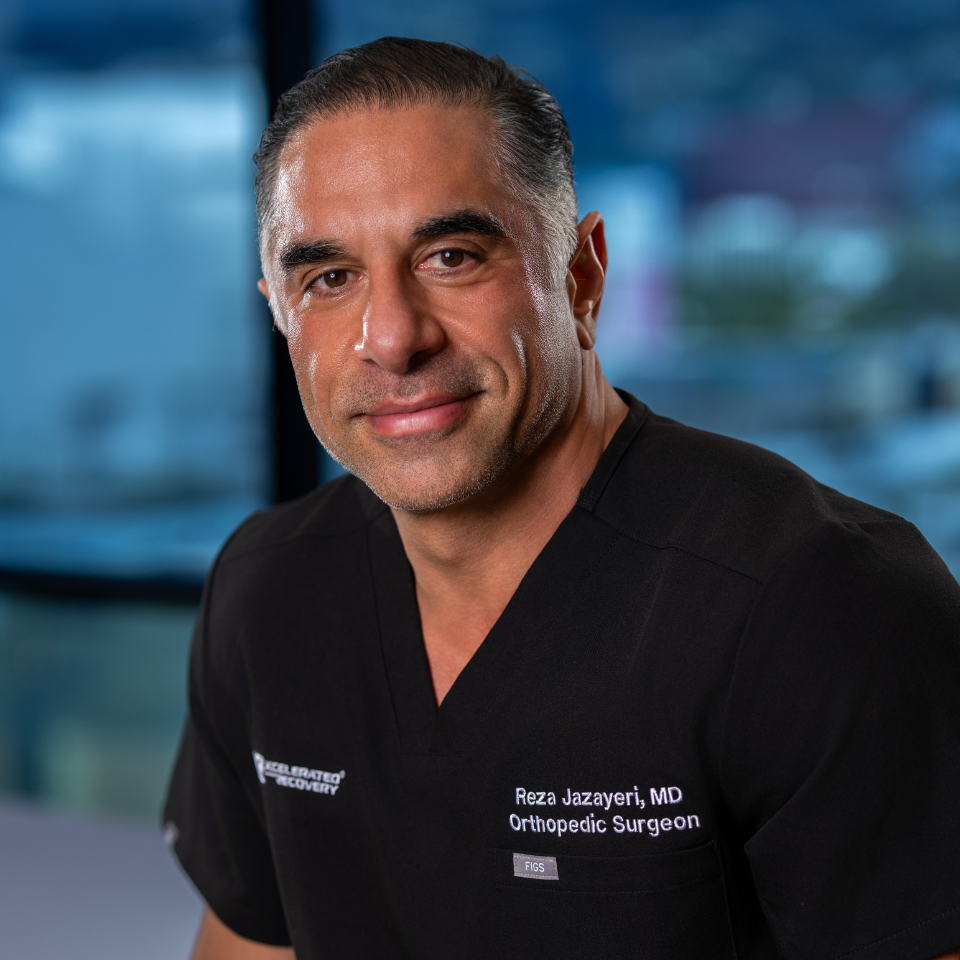
Meet Dr. Reza Jazayeri
Dr. Reza Jazayeri specializes in sports medicine with expertise in shoulder, knee, and elbow injuries. A Southern California native, Dr. Jazayeri combines an engineering background with elite surgical training, completing his orthopedic surgery residency at the nationally ranked NYU Hospital for Joint Diseases and a sports medicine fellowship at the renowned Kerlan-Jobe Orthopaedic Clinic.
After more than 15 years caring for patients within the Southern California Permanente Medical Group, Dr. Jazayeri joined DOCS Health to expand a practice focused on personalized orthopedic and sports medicine care and surgical excellence. As Director of Longevity at DOCS Health, he leads the development and implementation of optimization protocols and regenerative medicine strategies designed to improve long-term musculoskeletal health and extend healthspan.
His published work includes a 2026 coauthored review of nutritional optimization in spine surgery in the Journal of the American Academy of Orthopaedic Surgeons. View Dr. Jazayeri’s research publications and training.
My experience with Dr. Jazayeri could not have been better. Repaired my bicep tendon perfectly. He also makes sure you are getting the nutrition and care you need to recover. He cares for his patients and goes the extra mile. He calls and checks on your well-being post OP and guides you through recovery.
Dr. Jazayeri’s Experience With Distal Biceps Tendon Injuries
Dr. Jazayeri’s work on distal biceps tendon injuries spans more than fifteen years and includes both clinical practice and published academic contribution. In 2010, he authored Distal Biceps Tendon Injuries: Current Treatment Options in the Bulletin of the NYU Hospital for Joint Diseases (2010;68(2):103–111), a review of the surgical and nonsurgical management of these injuries that remains a reference point for his approach today.
In the years since, he has treated a high volume of distal biceps injuries across the full spectrum of complexity, from acute complete ruptures repaired within the optimal early window, to the more demanding presentations that many surgeons see infrequently: revision cases following failed prior repair, and chronic tears in which tendon retraction and scarring make direct reattachment to the radial tuberosity impossible. These cases often require advanced reconstruction, including graft augmentation to restore length and tendon-to-bone healing.
For athletes and high-demand patients, surgical technique is only part of the equation. Where clinically appropriate, Dr. Jazayeri incorporates orthobiologic augmentation and peptide-based therapies intended to support the biologic environment for tendon healing, with the goal of a more durable repair and a return to loading that matches the patient’s actual demands rather than a generic protocol.
This is paired with attention to the factors that determine how well a patient heals in the first place. Metabolic and hormonal assessment, along with targeted nutritional support, is used to preserve muscle mass during the period of immobilization and protect the recovery timeline, an approach reflecting his broader work in perioperative optimization and surgical recovery science.
Consult With Our Team For Personalized Treatment Options
Every distal biceps tendon injury presents differently, and your treatment plan should reflect your specific tear pattern, work demands, and activity goals. Dr. Jazayeri is a double board-certified orthopedic surgeon with fellowship training in sports medicine from the Kerlan-Jobe Orthopaedic Clinic. He treats each patient with the same level of care he would give to his own family.
If you are dealing with a distal biceps tendon injury in the Greater Los Angeles area, you can schedule an in-person evaluation at our Beverly Hills, Westlake Village, or Orange office. Virtual consultations are also available for patients across California and beyond. Reach out to our practice to discuss your injury and learn which treatment path fits your life.
Medically reviewed by Reza Jazayeri, M.D. on