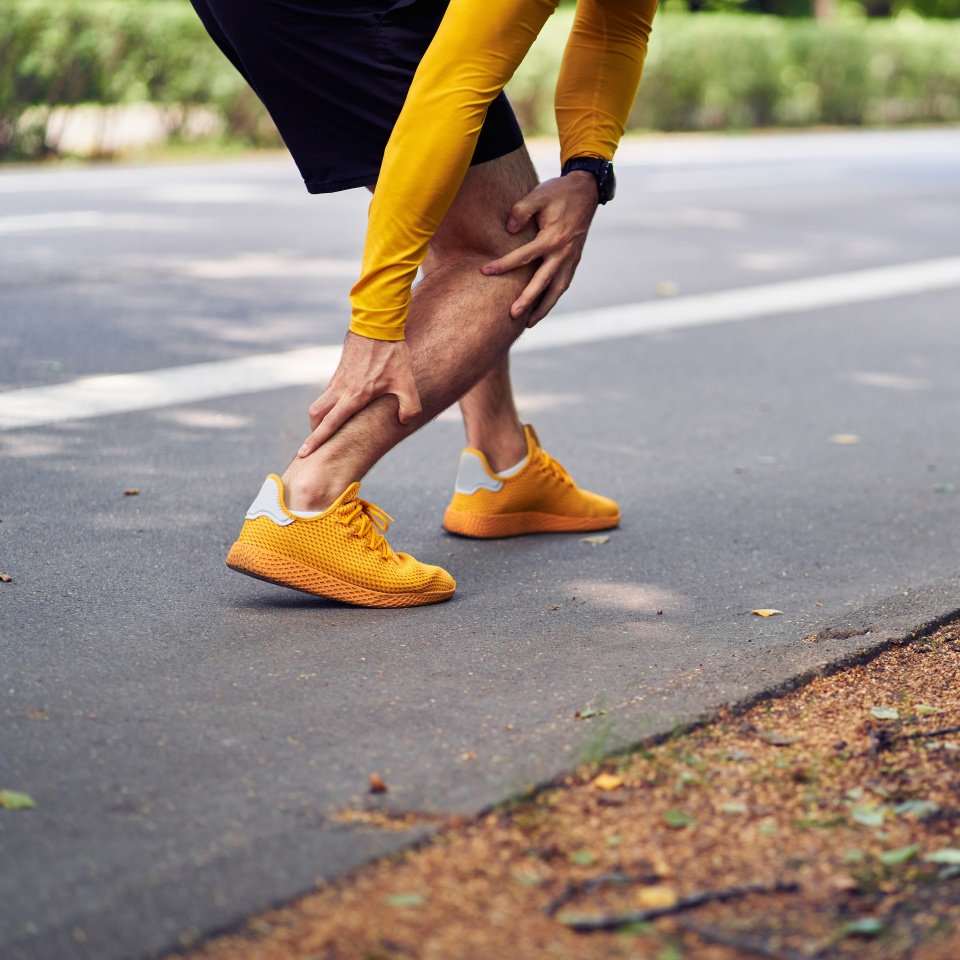
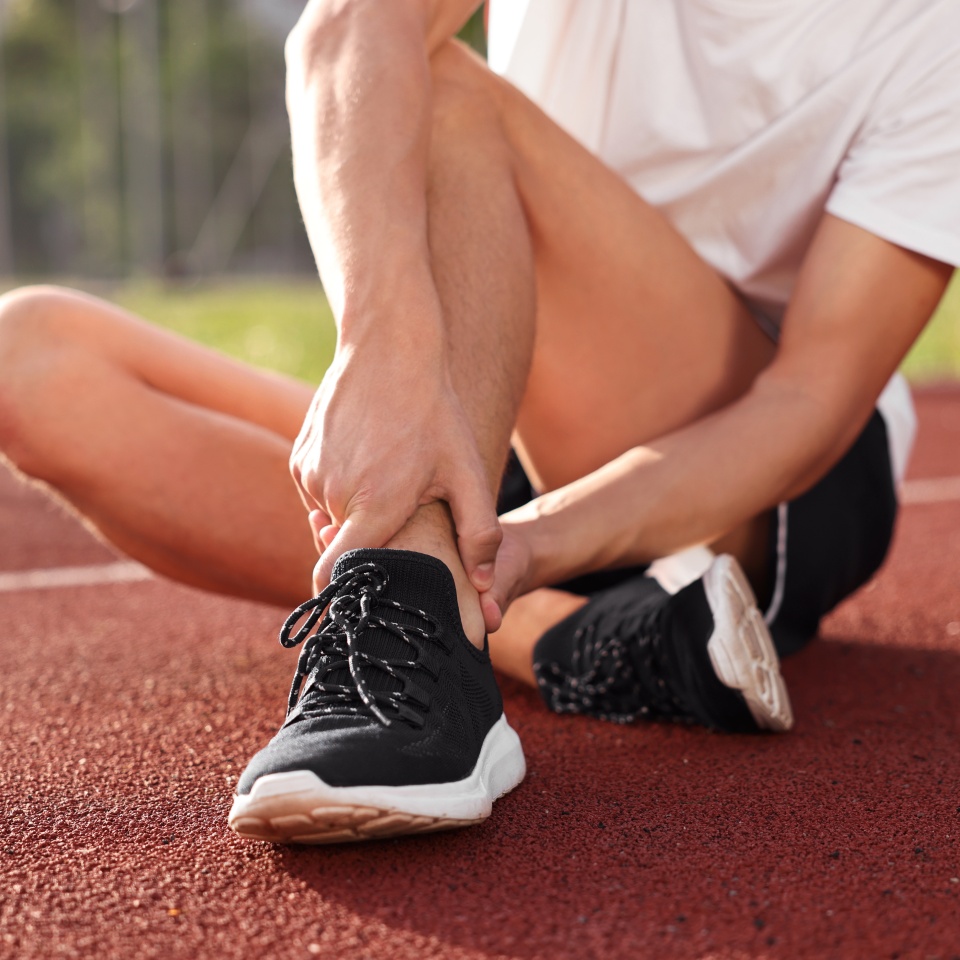
An Achilles rupture often feels like someone kicked you in the back of the leg. One moment you are pushing off on the court or sprinting for a ball, and the next you cannot rise onto your toes. The good news is that a torn Achilles can heal well with the right plan, whether that plan involves surgery or a carefully structured non-surgical program. Dr. Jaz evaluates Achilles injuries at his offices in Los Angeles near Beverly Hills, Westlake Village and Orange, with virtual visits available for an early review.
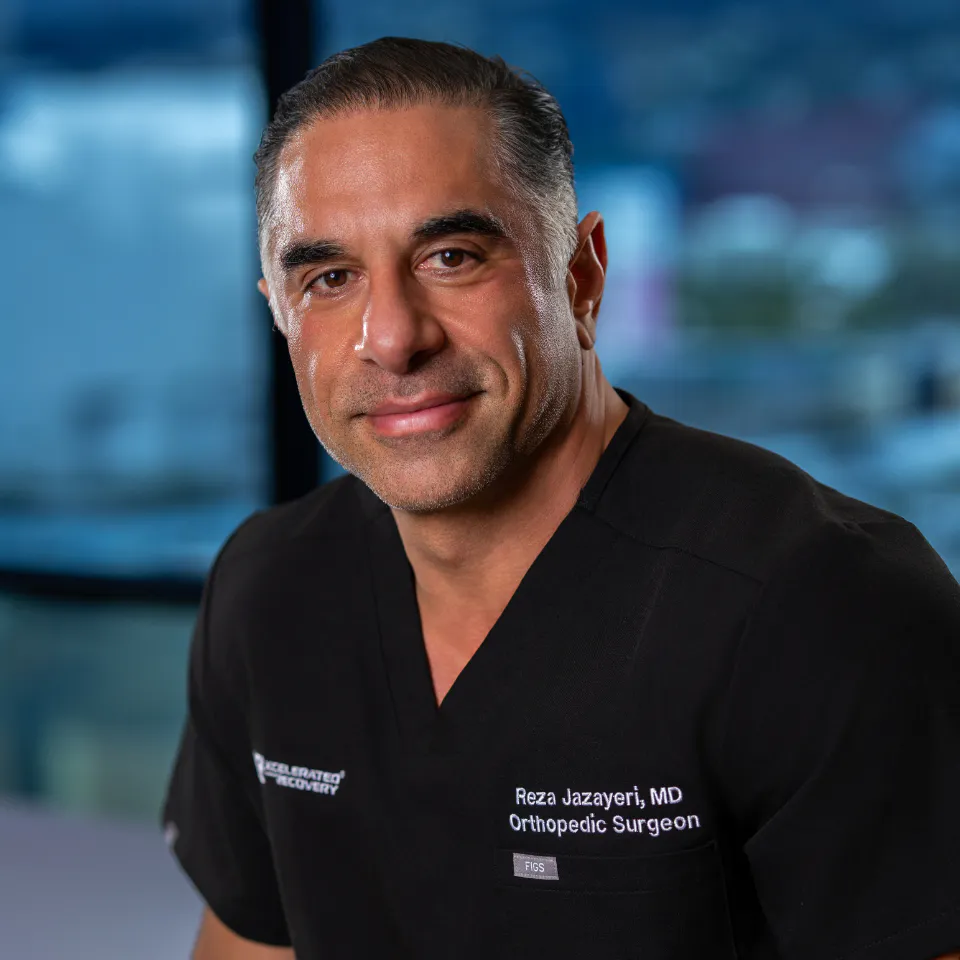
Reza Jazayeri, MD, spent more than 15 years with the Southern California Permanente Medical Group caring for a broad range of orthopedic injuries before joining DOCS Health, and his published work includes tendon rupture repairs in active patients, from a proximal hamstring repair technique in Case Reports in Orthopedics to a traumatic tendon rupture during weightlifting in Clinical Case Reports. He is double board-certified in orthopedic surgery and sports medicine, earned his medical degree at Albert Einstein College of Medicine, completed his residency at NYU Hospital for Joint Diseases and trained in sports medicine at the Kerlan-Jobe Orthopaedic Clinic. That experience shapes how he guides each patient through one of the most important decisions in Achilles care.
What Is an Achilles Tendon Rupture?
The Achilles tendon is the largest tendon in the body. It connects the calf muscles to the heel bone and powers walking, running, jumping and pushing off. Most ruptures happen a few centimeters above the heel, in an area with a more limited blood supply.
Achilles ruptures are most common in active adults between about 30 and 50, especially weekend athletes in basketball, tennis, pickleball, soccer and racquet sports. They usually occur during a sudden push-off or a quick change of direction. Risk factors include a recent jump in activity, prior Achilles tendinopathy, steroid injections near the tendon and certain antibiotics in the fluoroquinolone family.
Signs of a Torn Achilles
Common signs of an Achilles rupture include:
- A pop or the feeling of being kicked or struck in the back of the calf
- Pain and swelling just above the heel
- A gap you can feel in the tendon
- Difficulty walking normally or pushing off
- Inability to stand on your toes on the injured side
Dr. Jazayeri confirms the diagnosis with a hands-on exam, including the Thompson test, in which squeezing the calf normally moves the foot. Ultrasound or MRI through imaging and diagnosis may be used to measure the gap or evaluate partial tears. Achilles ruptures are frequently misdiagnosed as ankle sprains, so a prompt specialist exam matters.
Common Concerns: Surgery or Non-Surgical Treatment?
This is the central question for most patients, and the answer is genuinely individual. Clinical trials have shown that when non-surgical treatment uses early, functional rehabilitation, re-rupture rates can be similar to surgery. Surgery may offer advantages in restoring tendon length and push-off strength for some athletes, while avoiding the wound and nerve risks that come with an incision is a real advantage of non-surgical care.
- Non-Surgical Treatment: A walking boot with heel wedges holds the foot pointed down so the tendon ends stay together, followed by a structured rehab program that progressively loads the tendon.
- Surgical Repair: The torn ends are sewn back together, which can help restore tendon tension and length, often considered for competitive athletes, delayed diagnoses and some re-ruptures.
- Chronic or Missed Ruptures: Tears diagnosed after several weeks may need reconstruction with tendon transfer or graft techniques.
Dr. Jazayeri walks through these trade-offs with you based on your sport, your goals, your health and the timing of the injury.
“There is no single right answer for every Achilles rupture. My job is to lay out the real trade-offs so you can choose the path that fits your life and your sport.” — Dr. Reza Jazayeri
How Achilles Tendon Repair Is Performed
When surgery is the right choice, it is typically an outpatient procedure performed within the first couple of weeks after injury. Depending on the tear, the repair may be done through a standard incision or a smaller, minimally invasive approach that limits soft tissue disruption. The tendon ends are brought back together with strong sutures and tensioned to restore the tendon’s normal length.
When appropriate, orthobiologics such as platelet-rich plasma (PRP) may be used at the repair as part of the Bio-Fertilization™ Protocol. Evidence for biologics in Achilles healing is still developing, so they are used as an addition to a sound repair and rehab plan, not a replacement. Risks of surgery include wound healing problems, infection, irritation of the sural nerve, blood clots and re-rupture, which Dr. Jazayeri discusses with you before deciding.
What to Expect During Recovery
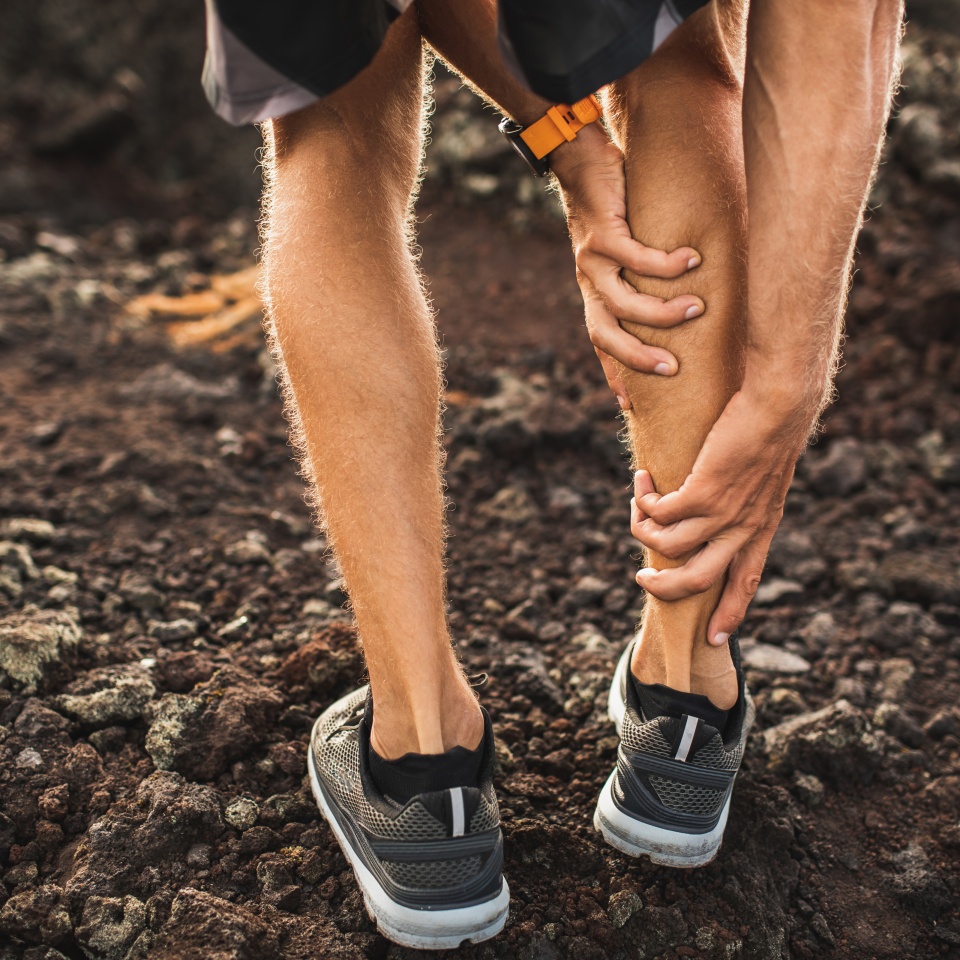
Whether you have surgery or not, recovery follows a similar, carefully staged path:
- Protect the Tendon: A boot with heel wedges protects the tendon, and early protected weight bearing is often started within the first few weeks.
- Restore Motion: Heel wedges are reduced gradually as the tendon heals, and gentle ankle motion begins under your therapist’s guidance.
- Rebuild Calf Strength: Progressive strengthening, balance work and blood flow restriction (BFR) training when appropriate rebuild power in the calf.
- Return to Running and Sport: Jogging often begins around four to six months, while return to cutting and jumping sports commonly takes nine to twelve months.
Calf muscle loss is one of the biggest obstacles after an Achilles injury. Dr. Jazayeri’s perioperative nutrition protocol and Metabolic Report Card support tendon healing and muscle preservation, and progress is tracked through his recovery program with clear milestones toward return to sport.
When to Seek Urgent Care
Arrange an evaluation within a few days of a suspected Achilles rupture. People with a lower leg injury in a boot have a higher risk of blood clots. Seek emergency care right away for new or worsening calf swelling, warmth or pain, chest pain or shortness of breath, or a wound that is red, draining or opening after surgery.
Frequently Asked Questions About Achilles Tendon Repair
-
No. Many heal well with non-surgical treatment using a boot and early functional rehabilitation. Surgery may be favored for some athletes, delayed diagnoses and re-ruptures.
-
Within a few days if possible. Early treatment keeps the tendon ends in a good position, and surgery, when chosen, is best done within the first couple of weeks.
-
Usually at first. Many patients progress to protected weight bearing in a boot within the first few weeks.
-
Return to cutting and jumping sports commonly takes nine to twelve months, based on calf strength, single-leg heel raises and hop testing.
-
Re-rupture can happen with either treatment, most often in the first months. Following your boot, weight-bearing and rehab plan closely lowers that risk.
-
Chronic ruptures can still be treated, sometimes with reconstruction techniques. Dr. Jazayeri offers second opinions and virtual consultations to review your imaging and options.
Why Choose Dr. Jaz for Achilles Tendon Repair
- Balanced Treatment Guidance: An honest discussion of surgical and non-surgical options based on current evidence and your goals.
- Tendon Repair Experience: Published work on tendon rupture repair and more than 17 years caring for athletes and active adults.
- Sports Medicine Training: Kerlan-Jobe fellowship training and double board certification in orthopedic surgery and sports medicine.
- Whole-Athlete Recovery: Nutritional and metabolic optimization, biologics when appropriate and structured return-to-sport rehab.
- Three Southern California Offices: Appointments in Los Angeles, Westlake Village and Orange, plus virtual visits.
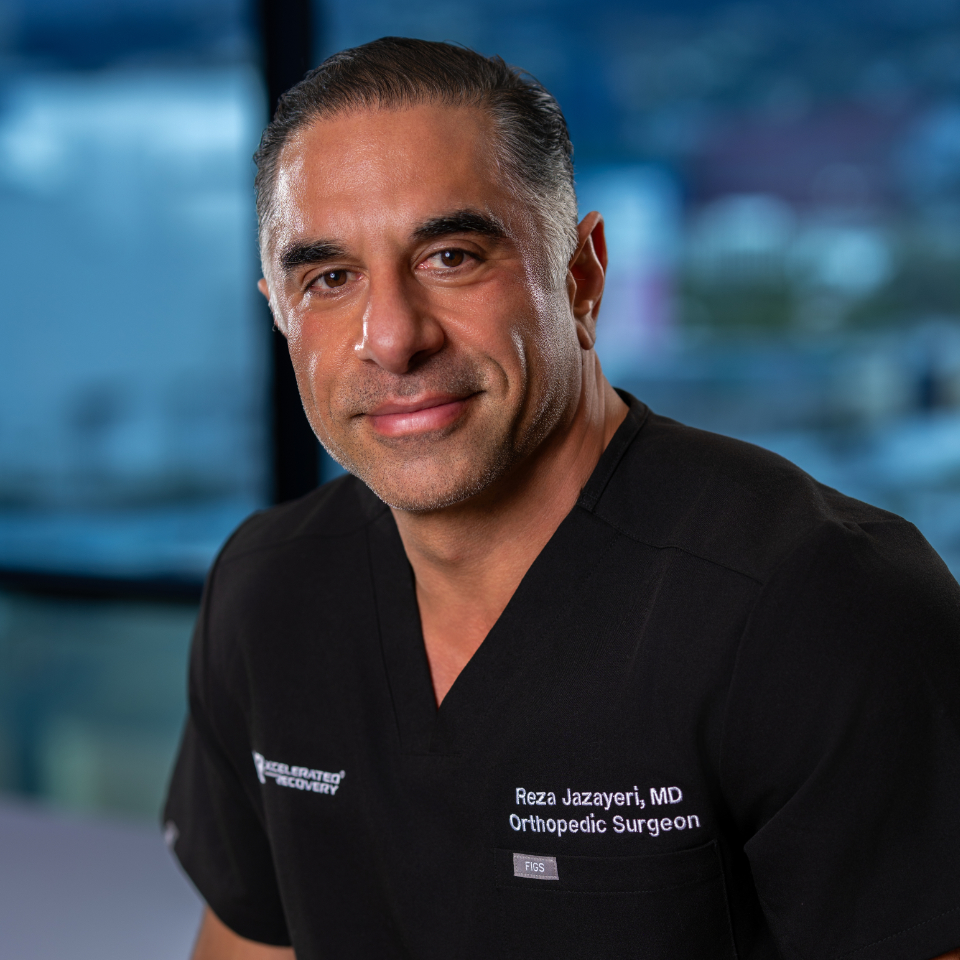
Meet Dr. Reza Jazayeri
Dr. Reza Jazayeri specializes in sports medicine with expertise in shoulder, knee, and elbow injuries. A Southern California native, Dr. Jazayeri combines an engineering background with elite surgical training, completing his orthopedic surgery residency at the nationally ranked NYU Hospital for Joint Diseases and a sports medicine fellowship at the renowned Kerlan-Jobe Orthopaedic Clinic.
After more than 15 years caring for patients within the Southern California Permanente Medical Group, Dr. Jazayeri joined DOCS Health to expand a practice focused on personalized orthopedic and sports medicine care and surgical excellence. As Director of Longevity at DOCS Health, he leads the development and implementation of optimization protocols and regenerative medicine strategies designed to improve long-term musculoskeletal health and extend healthspan.
His published work includes a 2026 coauthored review of nutritional optimization in spine surgery in the Journal of the American Academy of Orthopaedic Surgeons. View Dr. Jazayeri’s research publications and training.
Schedule Achilles Tendon Care in Los Angeles
The first weeks after an Achilles rupture shape the rest of your recovery, so a fast, clear plan matters. Dr. Jazayeri sees patients at DOCS Health in Los Angeles, just minutes from Beverly Hills, as well as in Westlake Village and Orange. Schedule a consultation to talk through the right path back to your sport.
This page is for general educational purposes and does not replace an individual medical evaluation. Outcomes vary by patient and injury.
Medically reviewed by Reza Jazayeri, M.D. on