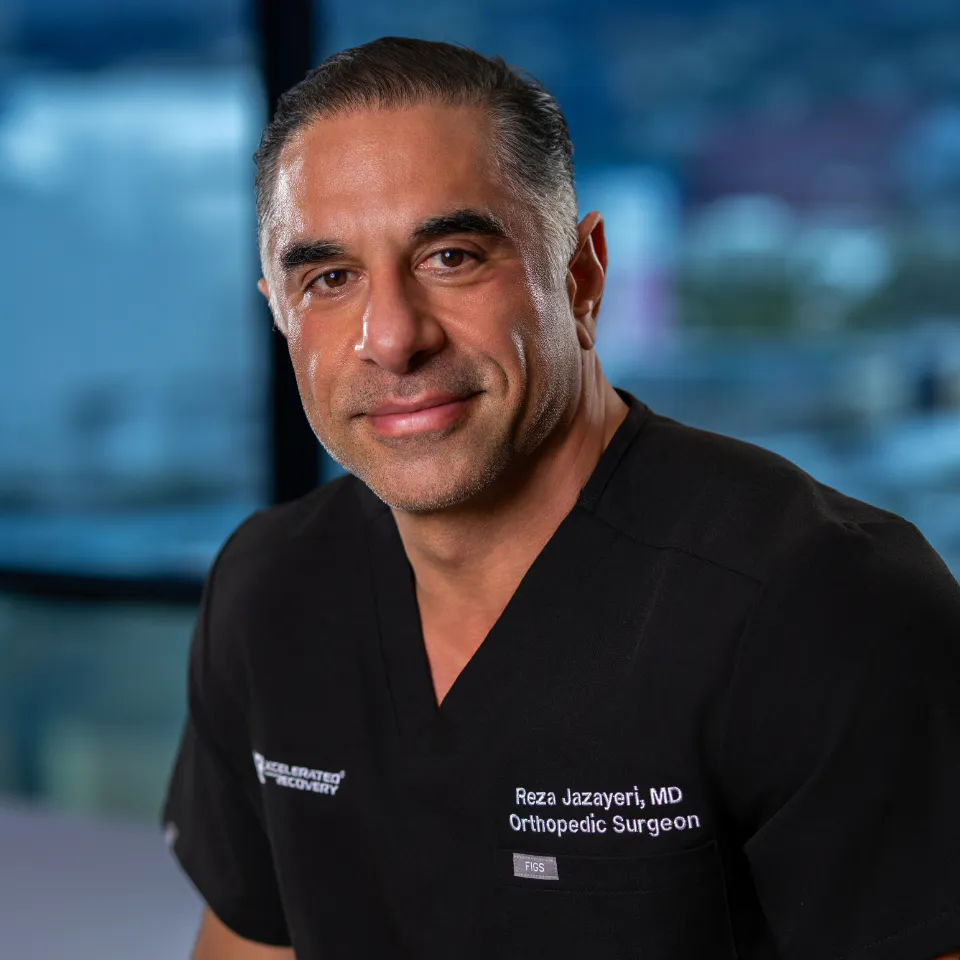
Ulnar nerve transposition is a procedure that moves the ulnar nerve from a compressed position behind the elbow to a protected location. When the nerve becomes pinched near the medial epicondyle, the bony bump on the inner elbow, you may feel numbness, tingling, or weakness in your hand. Dr. Reza Jazayeri is a double board-certified orthopedic surgeon specializing in sports medicine, with clinical expertise in shoulder, knee, and elbow care.
He completed his sports medicine fellowship at the Kerlan-Jobe Orthopaedic Clinic in Los Angeles. His practice offers detailed procedure planning for elbow conditions, including ulnar nerve transposition. Dr. Jaz sees patients at his Beverly Hills, Westlake Village, and Orange offices, with virtual consultations available for patients across California and beyond.
Ulnar Nerve Transposition Overview
Ulnar nerve transposition addresses cubital tunnel syndrome, a condition where the ulnar nerve gets compressed as it passes through the cubital tunnel along the inner elbow. This nerve controls sensation in the ring and small fingers and powers several hand muscles. When the nerve is pinched against the medial epicondyle, it cannot glide smoothly during elbow movement.
The surgery relocates the nerve from behind the bony bump to a new position either under or over muscle tissue. This gives the nerve more room and reduces tension during elbow flexion. Patients seek this procedure when conservative treatments no longer provide relief.
Symptoms Indicating The Need For Surgery
You might consider ulnar nerve transposition when nonsurgical options have not helped. Common signs include persistent numbness or tingling in the ring and small fingers, especially when the elbow is bent for long periods. Some people notice hand weakness that makes gripping objects or typing difficult.
Muscle wasting in the hand is a more serious indicator that nerve compression has been present for a while. A feeling of clumsiness or dropping items can also point to advanced nerve dysfunction.
Dr. Jazayeri follows a non-surgical-first approach, exploring therapy and injections before recommending surgery. When symptoms persist despite these measures, ulnar nerve transposition may be the next step.
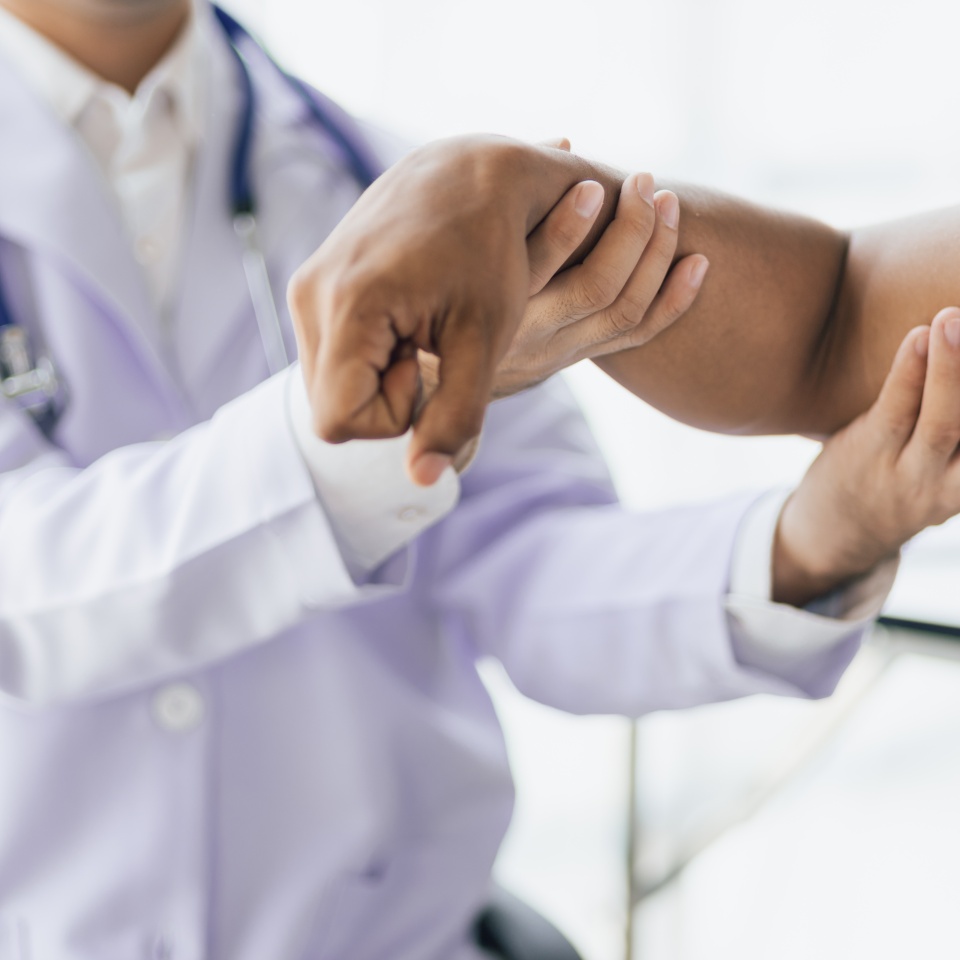
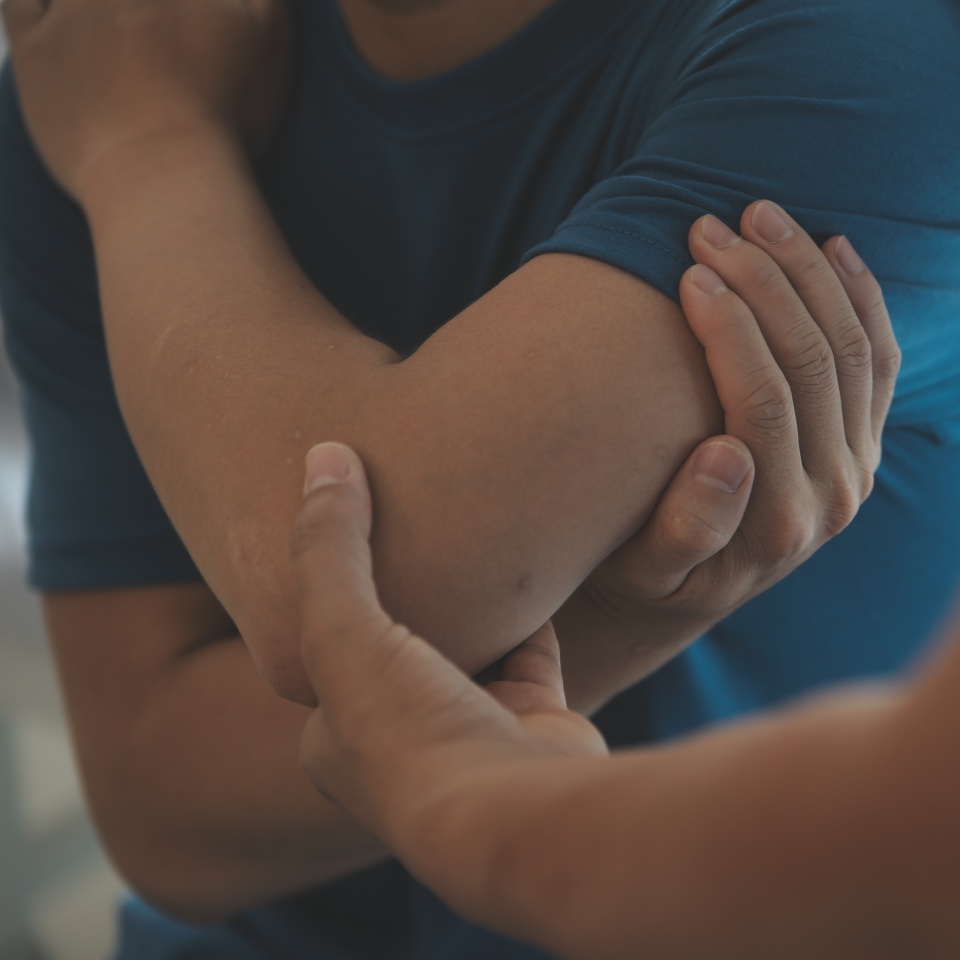
Procedure Steps For Ulnar Nerve Transposition
The procedure is performed under general or regional anesthesia. The surgeon makes an incision along the inner elbow to access the ulnar nerve. The nerve is carefully released from any tight bands of tissue that are compressing it.
Next, the nerve is moved from behind the medial epicondyle to a new position in front of the bony prominence. It can be placed either subcutaneously, just under the skin and fat, or submuscularly, beneath a layer of muscle. The new location protects the nerve from stretching during elbow movement.
A splint is applied after surgery to keep the elbow in a bent position for two to four weeks. This allows the soft tissues to heal around the relocated nerve.
Recovery Timeline After Ulnar Nerve Surgery
Recovery follows a structured timeline that varies by individual. The initial splint stays in place for two to four weeks, and you will need to avoid heavy lifting during this period. Most patients can return to light daily activities within a few weeks, though full recovery typically takes three to six months.
Numbness and tingling often improve first, while strength returns more gradually. Dr. Jaz incorporates prehabilitation into his surgical protocol, preparing patients before surgery with structured conditioning.
His practice also provides detailed pre-op and post-op instruction pages to guide you through each phase. Patients across the Greater Los Angeles area benefit from this organized approach to surgical recovery.
Role Of Physical Therapy In Recovery
Physical therapy is a central part of regaining function after ulnar nerve transposition. A therapist guides you through range-of-motion exercises once the splint is removed. Gentle nerve gliding movements help the ulnar nerve adapt to its new path and prevent scar tissue from restricting motion.
Strengthening exercises for the hand and forearm are added gradually as healing progresses. Therapy also focuses on reducing any residual pain and restoring coordination.
Dr. Jazayeri offers a digital rehab partnership through myHealthTrack, a remote recovery program that supports patients between in-person visits. This resource is available to patients in Los Angeles and across California, making it easier to stay on track with rehabilitation.
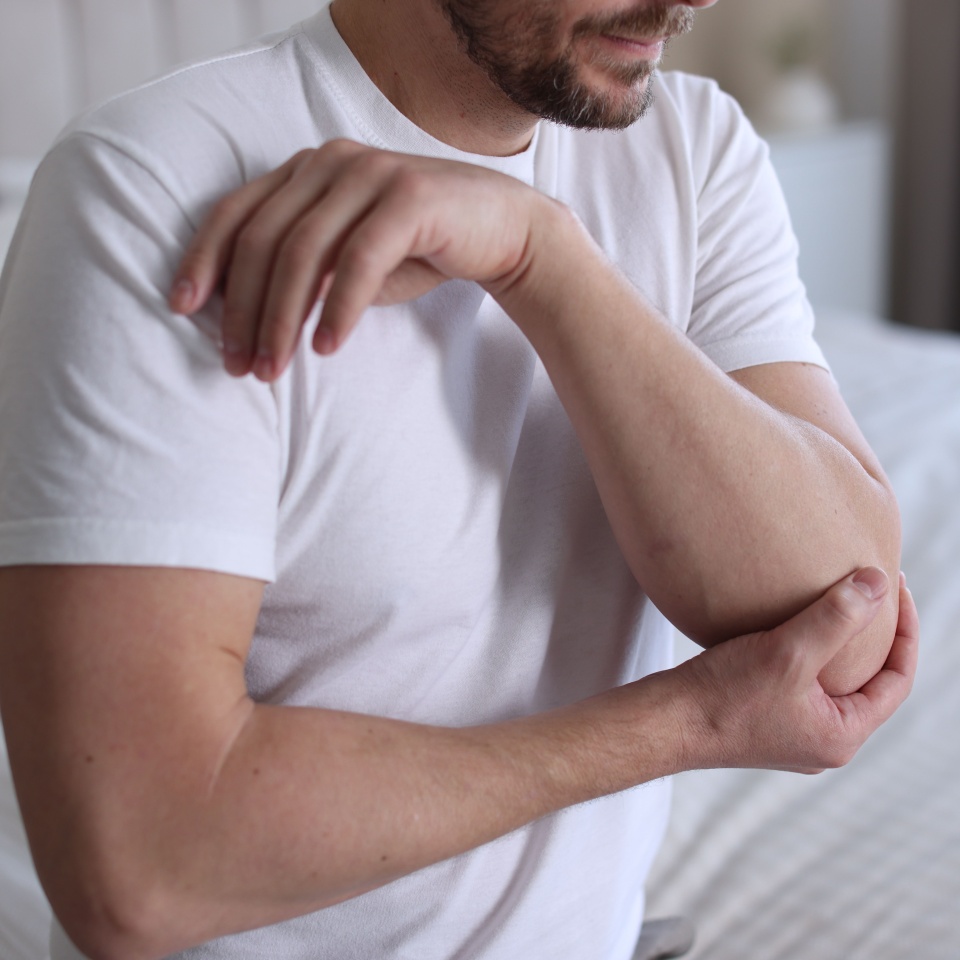
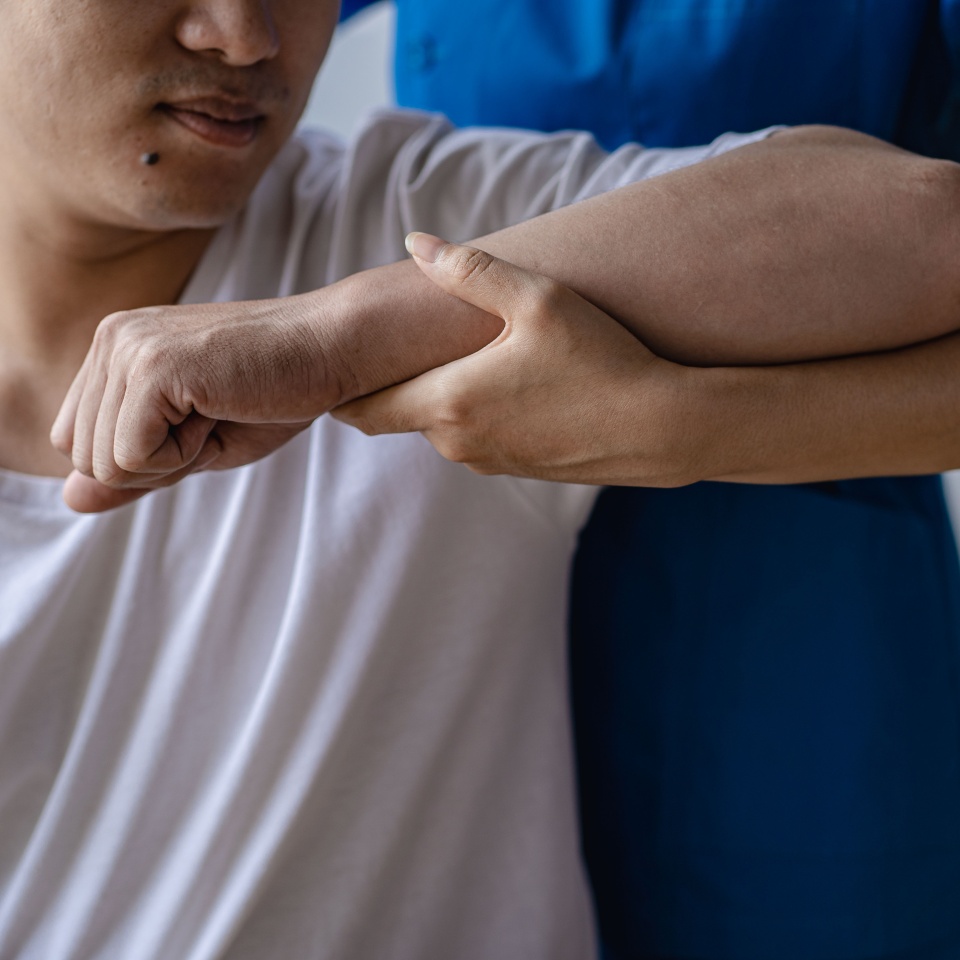
Benefits Of Ulnar Nerve Transposition Surgery
The primary benefit of ulnar nerve transposition is intended to relieve the numbness, tingling, and pain caused by nerve compression. Many patients regain hand strength and coordination, which improves their ability to perform work tasks and daily activities. Moving the nerve to a protected position can prevent further damage when compression has been present for a long time.
The procedure also addresses the mechanical problem at its source rather than only managing symptoms. Dr. Jaz applies minimally invasive techniques throughout his practice, which may reduce tissue disruption during surgery. His clinical approach includes nutritional and metabolic optimization, with preoperative lab testing for vitamin D, inflammatory markers, and additional factors as indicated.
Frequently Asked Questions
-
Ulnar nerve transposition surgery is a procedure that moves the ulnar nerve from a compressed position behind the elbow to a safer location. This helps relieve symptoms like numbness and tingling in the hand caused by conditions such as cubital tunnel syndrome.
-
Common symptoms include persistent numbness or tingling in the ring and small fingers, especially when the elbow is bent. If you experience hand weakness or muscle wasting, it may be time to consider surgery after trying other treatments.
-
Recovery typically involves wearing a splint for two to four weeks to keep the elbow bent. Full recovery can take three to six months, during which physical therapy is crucial for restoring function and reducing pain.
-
Physical therapy is essential for regaining strength and motion after surgery. Therapists guide you through exercises that help the ulnar nerve adapt to its new position and improve hand coordination.
-
Dr. Jazayeri is a double board-certified orthopedic surgeon with over 15 years of experience. He focuses on minimally invasive techniques and personalized care, ensuring that each patient receives the attention they deserve.
Why Choose Us For Ulnar Nerve Transposition
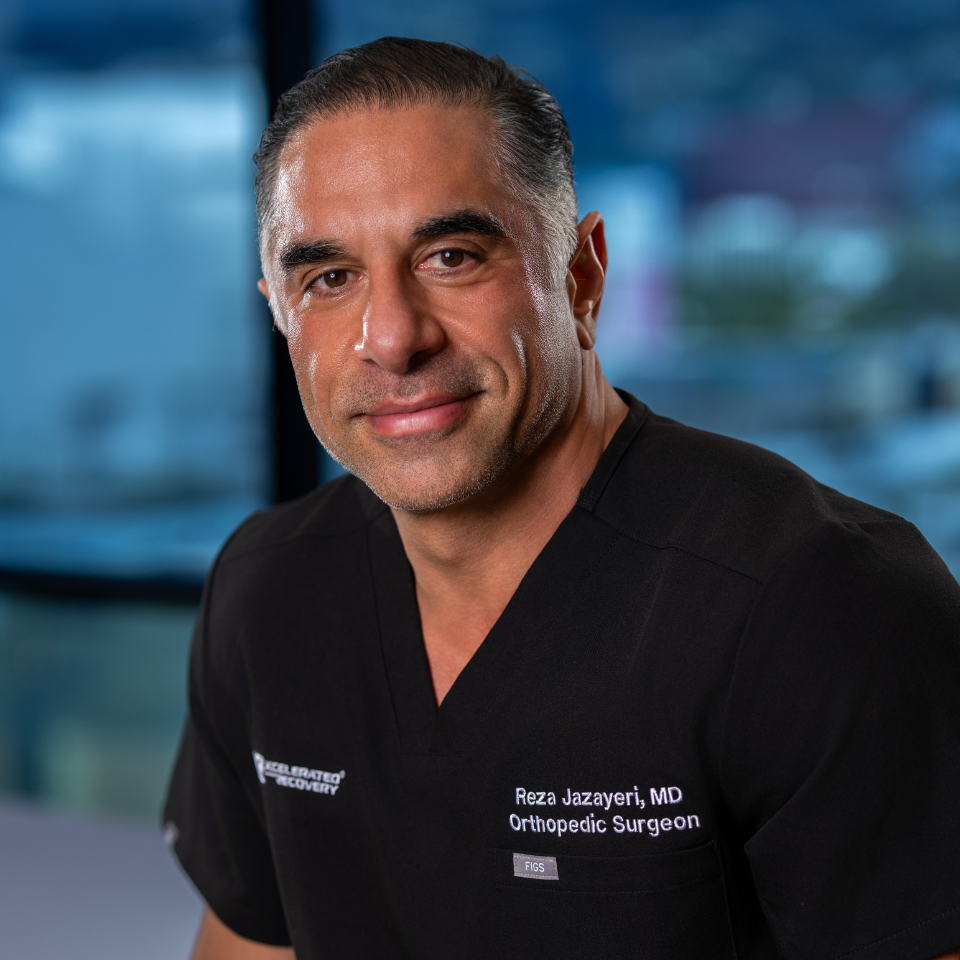
When it comes to ulnar nerve transposition, you want a surgeon who understands the intricacies of elbow care. Dr. Reza Jazayeri is a double board-certified orthopedic surgeon with over 15 years of experience.
He specializes in sports medicine and has a strong focus on elbow conditions. His training at the Kerlan-Jobe Orthopaedic Clinic in Los Angeles equips him with advanced techniques for your needs.
At our practice, we prioritize your comfort and recovery. Dr. Jaz follows a non-surgical-first approach, exploring therapy options before recommending surgery. If surgery is necessary, he uses minimally invasive techniques. Our structured prehabilitation program prepares you for the procedure, ensuring a smoother recovery process.
We are dedicated to providing personalized care. Every patient receives the same level of attention that Dr. Jazayeri would give to his own family. With convenient locations in Beverly Hills, Westlake Village, and Orange, we are here to support you every step of the way.
Meet Dr. Reza Jazayeri
Dr. Reza Jazayeri specializes in sports medicine with expertise in shoulder, knee, and elbow injuries. A Southern California native, Dr. Jazayeri combines an engineering background with elite surgical training, completing his orthopedic surgery residency at the nationally ranked NYU Hospital for Joint Diseases and a sports medicine fellowship at the renowned Kerlan-Jobe Orthopaedic Clinic.
After more than 15 years caring for patients within the Southern California Permanente Medical Group, Dr. Jazayeri joined DOCS Health to expand a practice focused on personalized orthopedic and sports medicine care and surgical excellence. As Director of Longevity at DOCS Health, he leads the development and implementation of optimization protocols and regenerative medicine strategies designed to improve long-term musculoskeletal health and extend healthspan.
His published work includes a 2026 coauthored review of nutritional optimization in spine surgery in the Journal of the American Academy of Orthopaedic Surgeons. View Dr. Jazayeri’s research publications and training.
Both of my shoulders were well past the sell-by date! I’d been getting injections in each one for the past ten years. Finally, I realized that it was pointless to continue, diminishing returns. The injections were hardly making a difference anymore. I was referred to Dr. Jazayeri as the shoulder guy for Kaiser, which was and still is my health care provider. He took a look at the Xrays and could tell right away that mine was a severe case that would require complex and customized prosthetic shoulder joints. He explained that each one would be a reverse shoulder joint construction, which at first gave me pause. But after he explained what was entailed and that I would really feel no difference after the recovery, I agreed to the procedure. He operated on both shoulders about nine months apart and the process was a breeze. I was blown away. My recovery in each case was difficult but not overly long. By six months had about 80% range of motion with little to no pain. After nine months, I was feeling positively bionic. I heartily recommend Dr. Jazayeri. He knows his stuff and has an infectious positive attitude to boot.
Schedule Your Consultation Today
If elbow pain, numbness, or hand weakness is affecting your daily life, a consultation can help you understand whether ulnar nerve transposition is right for you. In-person visits can be scheduled at his Beverly Hills, Westlake Village, or Orange office. Virtual consultations are also available for patients across California and beyond. Every patient receives the same level of care and attention he would give to his own family and friends. Contact the practice today to schedule your evaluation and learn more about your treatment options for ulnar nerve transposition in the Greater Los Angeles area.
Medically reviewed by Reza Jazayeri, M.D. on