A shoulder dislocation happens when the upper arm bone slips out of the shoulder socket. This injury causes immediate pain, swelling, and a visible deformity of the joint. You may also feel numbness or weakness down your arm.
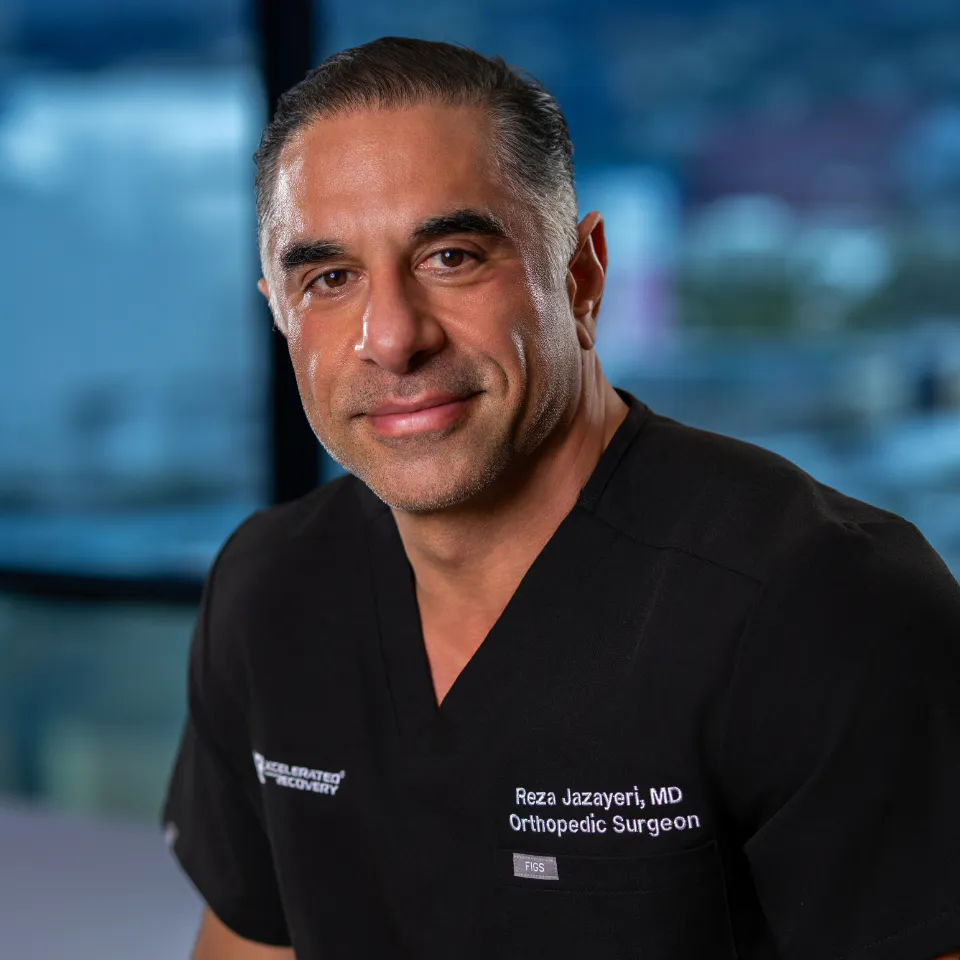
Getting the right care quickly matters for proper healing and to lower the risk of future dislocations. Dr. Reza Jazayeri is a double board-certified orthopedic surgeon specializing in sports medicine, with a fellowship from the Kerlan-Jobe Orthopaedic Clinic in Los Angeles. He brings over 15 years of experience treating shoulder injuries in athletes and active adults throughout the Greater Los Angeles area. Patients know him simply as Dr. Jaz, and he sees them at his Beverly Hills, Westlake Village, and Orange offices.
Shoulder Dislocation Overview And Symptoms
A shoulder dislocation occurs when the humeral head is forced out of the glenoid socket. This can be a partial slip, called a subluxation, or a complete separation. The shoulder is the body’s most mobile joint, which makes it vulnerable to this injury.
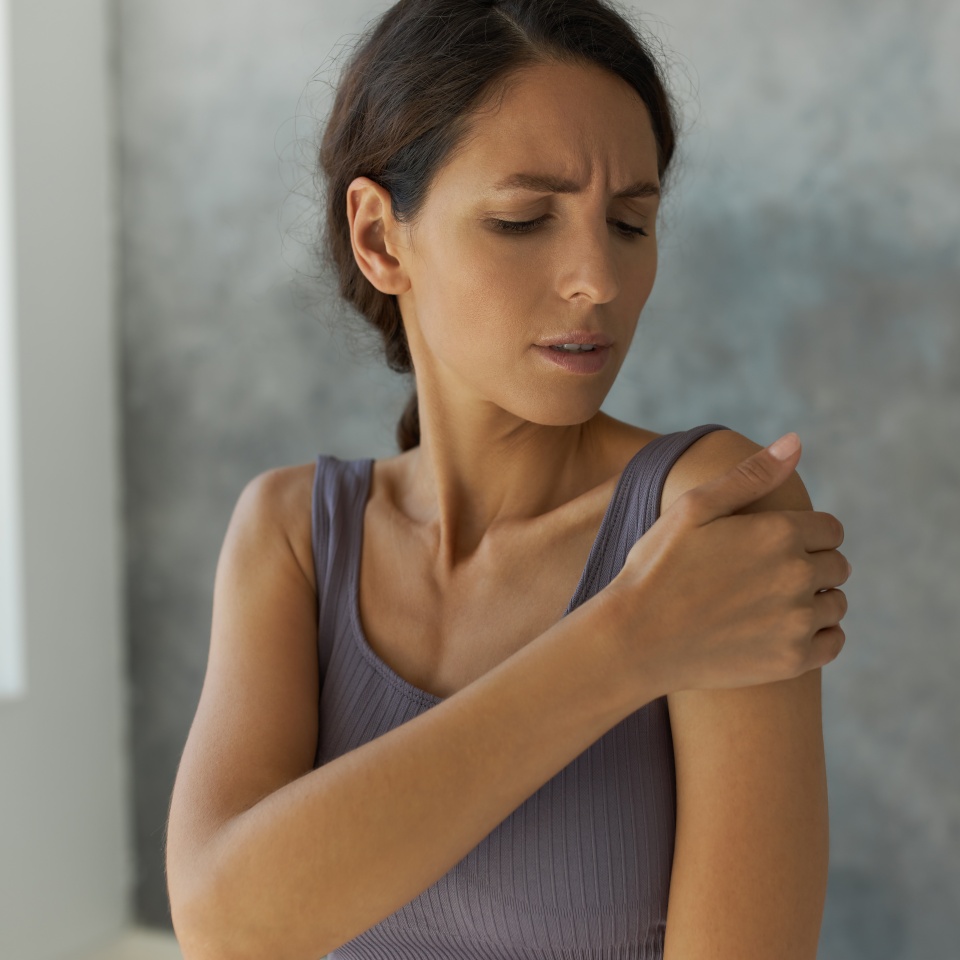
You will likely feel intense pain right away and notice that the shoulder looks out of place. Swelling and bruising often follow within hours. Many people cannot move the arm at all.
Some report a dead arm sensation or tingling in the hand. If you suspect a dislocation, keep the arm still and seek medical attention promptly. Delaying treatment can make the injury harder to manage.
Causes Of Shoulder Dislocation In Active Individuals
Active people face a higher risk of shoulder dislocation due to the demands they place on the joint. Contact sports like football, hockey, and mixed martial arts are common causes. A hard fall onto an outstretched arm during skiing, cycling, or skateboarding can also force the humerus out of place.
Repetitive overhead motions in swimming, volleyball, and weightlifting may gradually loosen the joint capsule over time. Traumatic pulls or sudden twists during grappling sports create another pathway to injury.
Once a dislocation occurs, the surrounding ligaments and labrum can stretch or tear. This damage makes the shoulder less stable and more prone to future episodes, especially in younger athletes who return to high-risk activities.
Initial Treatment Steps For Shoulder Dislocation
The first priority is getting the joint back into place safely. Do not let someone without medical training try to force the shoulder back. You could cause nerve or blood vessel damage.
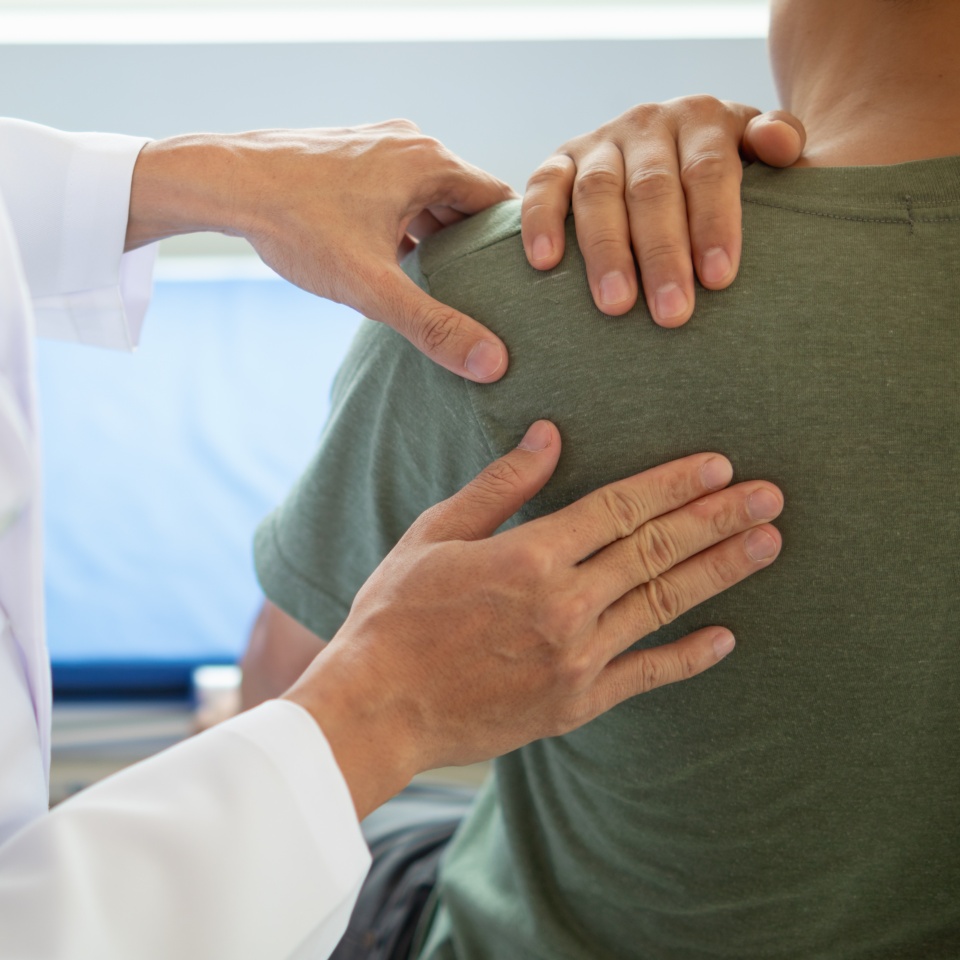
Apply ice to control swelling and keep the arm immobilized against your body while you travel to a doctor or emergency department. A physician will assess the injury and check for fractures before proceeding. Once the joint is reduced, you will typically wear a sling for a period of immobilization.
Pain and swelling can be managed with cold therapy and medication. Dr. Jazayeri evaluates each shoulder dislocation carefully to rule out associated injuries before recommending the next steps for your recovery in Los Angeles.
Role Of Closed Reduction In Shoulder Dislocation Management
Closed reduction is the procedure used to guide the humeral head back into the socket without making an incision. A doctor performs gentle, controlled movements to reposition the bone. You may receive sedation or local anesthesia to relax the muscles and ease discomfort.
After the reduction, an x-ray confirms proper alignment and checks for fractures. The relief from deep joint pain is often immediate once the shoulder is back in place. Still, the soft tissues around the joint still need time to heal.
Immobilization in a sling for several weeks protects the joint during the early healing phase. This step sets the foundation for a successful recovery and helps prevent early re-dislocation.
Importance Of Physical Therapy After Shoulder Dislocation
Physical therapy is a central part of shoulder dislocation recovery. Once the initial immobilization period ends, you need to rebuild strength and restore range of motion safely. A structured program starts with gentle passive movements and progresses to active exercises.
The focus is on strengthening the rotator cuff and the muscles that stabilize the shoulder blade. Stronger muscles help compensate for any lingering ligament laxity. Therapy also addresses posture and movement patterns that can stress the joint.
Skipping this phase leaves the shoulder vulnerable. Dr. Jazayeri works with patients in the Greater Los Angeles area to coordinate rehabilitation that matches their specific injury and activity goals. This may mean returning to a sport or simply reaching overhead without worry.
Surgical Options For Recurrent Shoulder Dislocations
When the shoulder dislocates repeatedly, surgery may be the most reliable way to restore stability. This is common in younger patients and those with labral tears, such as a Bankart lesion. The procedure repairs or reattaches the torn labrum and tightens the stretched joint capsule.
Dr. Jaz uses minimally invasive arthroscopic techniques whenever possible. These approaches use small incisions and a camera to guide the repair, which can reduce postoperative pain and speed recovery. For more complex instability or bone loss, an open procedure may be needed.
His surgical training at NYU Hospital for Joint Diseases and Kerlan-Jobe provides a deep foundation for managing these challenging cases. The decision for surgery is made together after reviewing your history, physical exam, and imaging.
Rehabilitation Strategies For Shoulder Dislocation Recovery
Rehabilitation after a shoulder dislocation follows a phased approach, whether you had surgery or not. The early phase protects healing tissues while preventing stiffness. You then move into restoring full range of motion.
Strengthening the rotator cuff and periscapular muscles comes next. The final phase prepares you for sport-specific or work-specific demands. Dr. Jaz incorporates prehabilitation concepts into his practice, preparing patients physically before a procedure to support better recovery.
His approach also considers nutritional factors that influence tissue healing. This broader view of recovery reflects his focus on musculoskeletal longevity. A disciplined rehab plan gives you the best chance at a durable shoulder and a confident return to the activities you enjoy in Los Angeles and beyond.
Preventing Future Shoulder Dislocations
Prevention starts with completing your full rehabilitation program. Stopping early leaves the shoulder weak and at risk. Continue maintenance exercises for rotator cuff and scapular strength even after formal therapy ends.
Pay attention to fatigue during overhead activities or contact sports. When your muscles tire, the joint loses its dynamic protection. Proper warm-up and technique matter, especially for throwing, lifting, and combat sports.
Address any lingering stiffness or weakness before it becomes a problem. For those with a history of instability, a thoughtful return-to-play plan is essential. Dr. Jazayeri helps patients in the Greater Los Angeles area build sustainable habits for shoulder health, drawing on his experience treating fighters, athletes, and active adults who demand reliability from their bodies.
Frequently Asked Questions
-
Common symptoms include severe pain, swelling, and a visible deformity of the shoulder. You may also experience numbness or weakness in your arm, making it difficult to move.
-
The first step is to safely reposition the shoulder joint, usually through a closed reduction procedure performed by a doctor. After that, you will typically wear a sling for 4 to 6 weeks to help the healing process.
-
Physical therapy helps restore strength and range of motion after the initial healing phase. It focuses on strengthening the muscles around the shoulder, which is crucial for preventing future dislocations.
-
Completing your rehabilitation program is key to preventing future dislocations. You should also continue exercises to strengthen your shoulder and pay attention to your body during activities to avoid fatigue.
-
Surgery may be needed if you experience recurrent dislocations or have significant ligament damage. A thorough evaluation by a qualified orthopedic surgeon will help determine the best course of action.
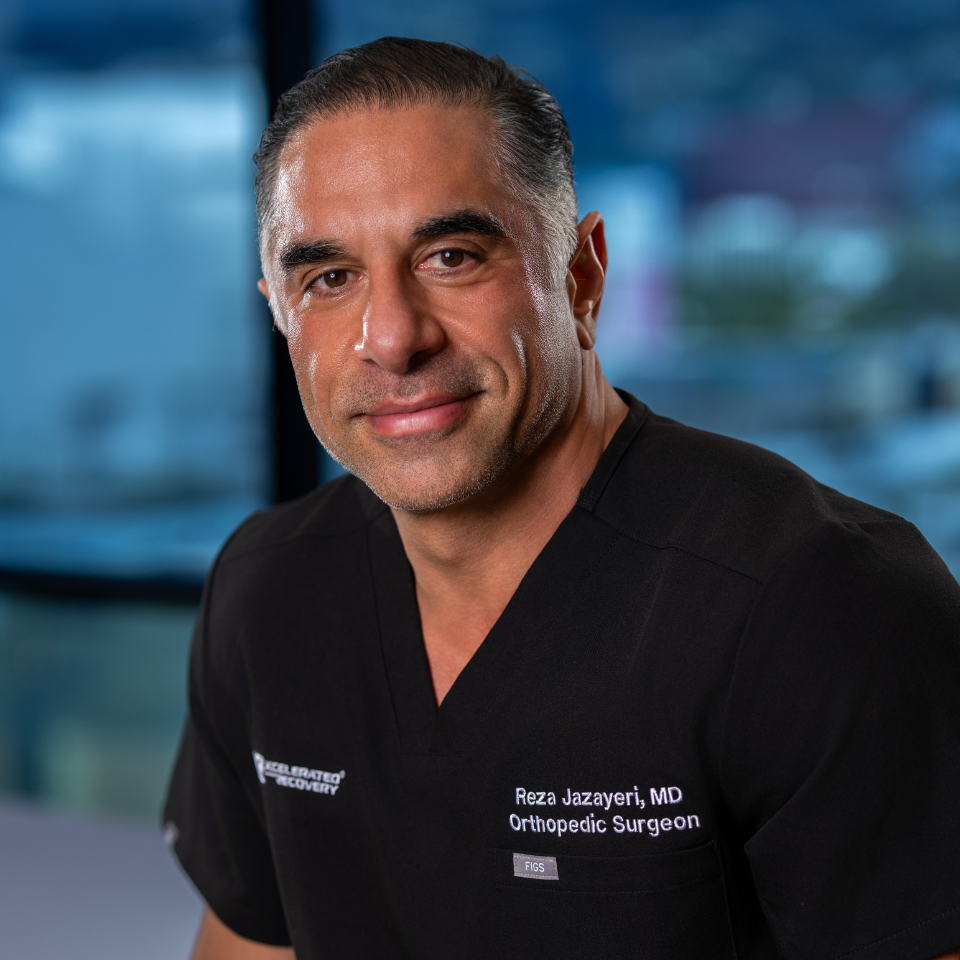
Why Choose Dr. Reza Jazayeri For Shoulder Dislocation Treatment?
When it comes to shoulder dislocations, you want a doctor who understands the injury inside and out. Dr. Reza Jazayeri is a double board-certified orthopedic surgeon specializing in sports medicine.
He has treated many athletes and active individuals in the Greater Los Angeles area. His training at NYU Hospital for Joint Diseases and the Kerlan-Jobe Orthopaedic Clinic provides a solid foundation in managing shoulder injuries.
Dr. Jazayeri takes a careful approach to treatment. He often starts with non-surgical options, using techniques like physical therapy and injections to help you heal. If surgery is needed, he uses minimally invasive methods to reduce recovery time.
His focus is on getting you back to your activities safely and effectively. With personalized care and a commitment to your recovery, you can trust Dr. Jazayeri to help you regain shoulder stability and strength.
Meet Dr. Reza Jazayeri
Dr. Reza Jazayeri specializes in sports medicine with expertise in shoulder, knee, and elbow injuries. A Southern California native, Dr. Jazayeri combines an engineering background with elite surgical training, completing his orthopedic surgery residency at the nationally ranked NYU Hospital for Joint Diseases and a sports medicine fellowship at the renowned Kerlan-Jobe Orthopaedic Clinic.
After more than 15 years caring for patients within the Southern California Permanente Medical Group, Dr. Jazayeri joined DOCS Health to expand a practice focused on personalized orthopedic and sports medicine care and surgical excellence. As Director of Longevity at DOCS Health, he leads the development and implementation of optimization protocols and regenerative medicine strategies designed to improve long-term musculoskeletal health and extend healthspan.
His published work includes a 2026 coauthored review of nutritional optimization in spine surgery in the Journal of the American Academy of Orthopaedic Surgeons. View Dr. Jazayeri’s research publications and training.
I am a 26 year old former college baseball player. Dr. Jazayeri performed a MPFL ligament replacement on my knee and I am so grateful for him and his team. Endless support in anything I needed to help me in my recovery. The whole process has gone very smoothly and efficiently. Him and his team gave a ton of great information that helped me understand how the surgery would be performed and all the steps necessary for a 100% recovery. I am on the road to recovery now and have progressed at a high rate. I have nothing but good things to say about him and his team. I would highly recommend him and assure you that you are in great hands.
Schedule Your Consultation With Dr. Reza Jazayeri
A shoulder dislocation needs focused care to heal well and reduce the chance of it happening again. Dr. Jazayeri is a double board-certified orthopedic surgeon with a sports medicine fellowship from the Kerlan-Jobe Orthopaedic Clinic. He brings over 15 years of experience to patients across the Greater Los Angeles area.
His practice welcomes those seeking a clear plan for shoulder dislocation treatment, from initial evaluation through advanced surgical care when needed. He takes a non-surgical-first approach and applies minimally invasive techniques throughout his work.
Virtual consultations are available for patients across California and beyond. Contact the practice today to schedule your visit at the Beverly Hills, Westlake Village, or Orange office.
Medically reviewed by Reza Jazayeri, M.D. on