A pectoralis major tendon tear can stop an active lifestyle in its tracks. If you lift weights, play contact sports, or rely on upper body strength for your daily routine, this injury needs a clear treatment plan.
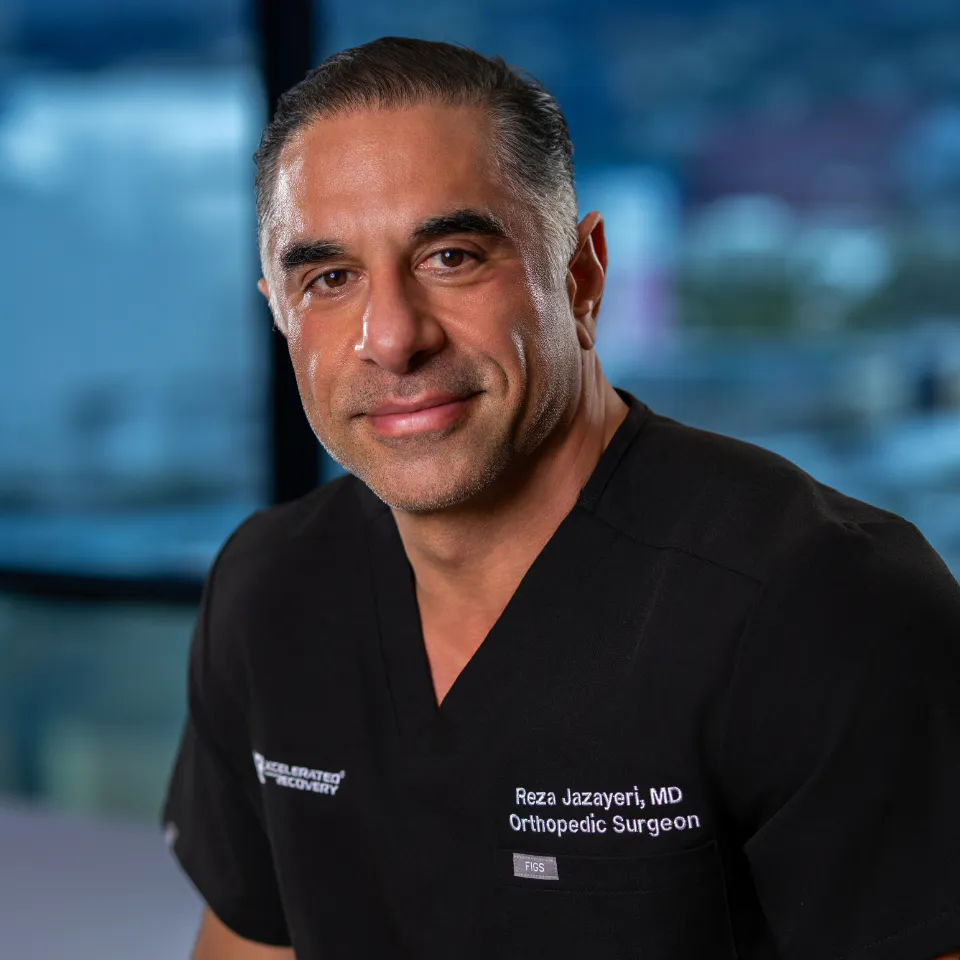
Dr. Reza Jazayeri is a double board-certified orthopedic surgeon specializing in sports medicine, with over 15 years of experience treating athletes and active adults across the Greater Los Angeles area. His approach to Pec Major Tendon Repair combines advanced surgical techniques with biologic augmentation and metabolic optimization to support a complete recovery. He treats patients at his Beverly Hills, Westlake Village, and Orange offices, and offers virtual consultations for those farther away.
The pectoralis major is the large, powerful chest muscle responsible for movements like pushing, lifting, and pulling. It connects the upper arm (humerus) to the chest and plays a critical role in athletic activities like bench pressing, wrestling, gymnastics, and CrossFit.
Tears can occur at various sites along this structure:
- Tendon insertion (most common) – where the tendon attaches to bone
- Musculotendinous junction* – the transition between muscle and tendon
- Muscle belly* – rare and typically more difficult to repair.
These are rare and often more challenging to repair due to limited tendon tissue for fixation.
*In such complex cases, Dr. Jazayeri typically recommends biologic augmentation using bioinductive grafting scaffolds and orthobiologics to enhance structural healing and functional recovery.
Who Gets a Pec Tear?
- Young male athletes, especially those doing heavy weightlifting (bench press)
- Bodybuilders and powerlifters
- Contact sport athletes (football, rugby, MMA)
- Master athletes who maintain high levels of physical activity into middle and older age
Although traditionally seen in younger athletes, Dr. Jaz regularly treats athletes at every stage of life, including active adults and seasoned bodybuilders who remain passionate about fitness.
How Do Pec Tears Happen?
Most tears occur during forceful eccentric loading, such as:
- Lowering a heavy barbell during bench press
- A fall or sudden trauma during contact sports
- Rapid arm extension or abduction against resistance
Patients often report:
- A “pop” or tearing sensation
- Immediate pain and bruising
- Visible deformity or loss of chest contour
- Weakness with pushing, lifting, or internal rotation
How Dr. Jazayeri Treats Pectoralis Major Tears: A Tailored, Athlete-Centered Approach
Dr. Jaz brings a comprehensive, individualized strategy to managing pectoralis major tears, drawing on cutting-edge surgical techniques, metabolic optimization, and biologic augmentation.
Comprehensive Evaluation
Each case is unique. Dr. Jazayeri performs a detailed assessment that includes:
- MRI to determine location and severity (tendon vs. musculotendinous, full vs. partial tear)
- Timing from injury (acute vs. chronic)
- Activity level, sport, and cosmetic goals
- Metabolic and hormonal lab evaluation
- Nutritional status screening
This thorough approach allows for shared decision-making with the patient to determine the most effective path forward.
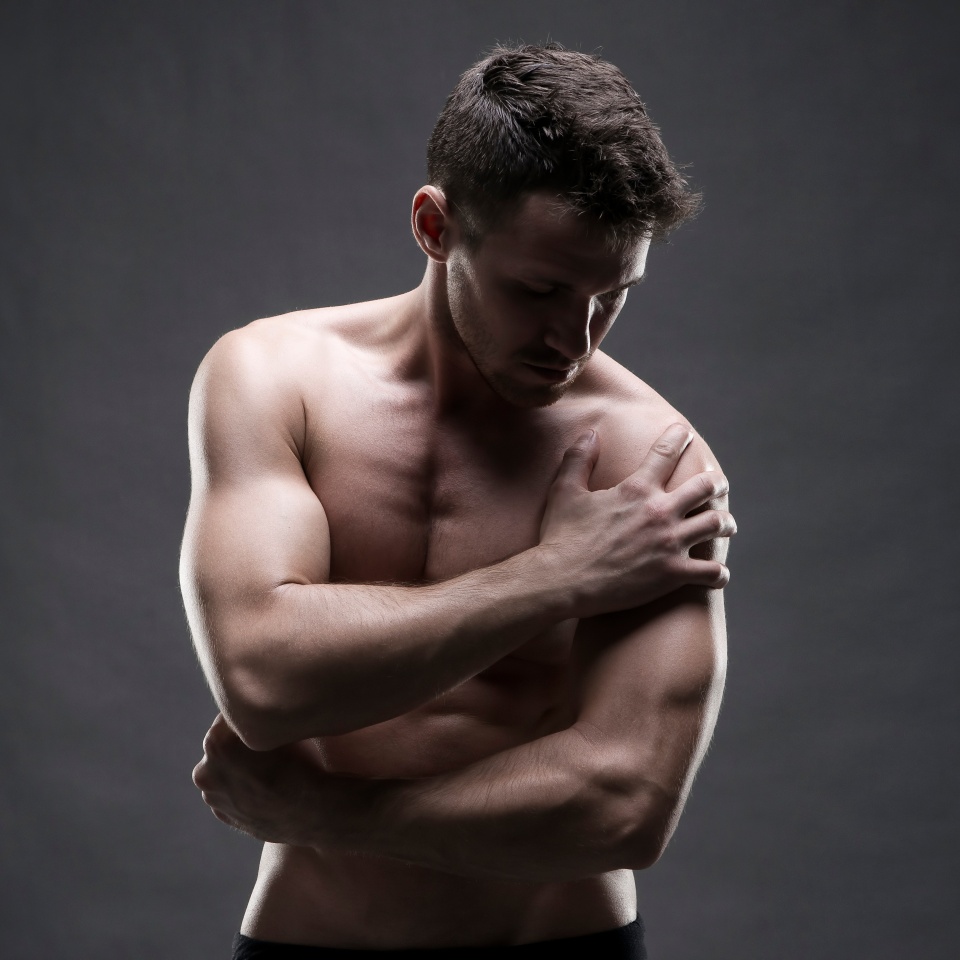

Treatment Options
Non-Surgical Management
For low-grade, partial tears or patients with lower physical demands, non-operative care may be reasonable. These plans may include:
- Structured physical therapy
- Ultrasound-guided orthobiologic injections like Platelet-Rich Plasma (PRP)(1) or Bone Marrow Aspirate Concentrate (BMAC) to support healing
- Nutritional and metabolic optimization
Surgical Repair
Surgery is typically recommended for:
- Complete tendon tears
- Active or athletic individuals
- Those seeking strength recovery and cosmetic restoration
Benefits of surgical repair include:
- Restoration of strength and power
- ~50% loss of strength with non-op treatment of complete tears
- Improved functional performance
- Enhanced cosmesis and chest symmetry
Timing matters:
Dr. Jazayeri recommends acute repair when possible, but he has extensive experience successfully managing chronic tears (6–12+ months old) using advanced reconstruction techniques:
- Allograft augmentation
- Collagen scaffolds
- Biologic patches
Biologic-Regenerative Enhancement with Orthobiologics:
In addition to mechanical reinforcement, Dr. Jazayeri enhances the repair site biologically using orthobiologics such as Platelet-Rich Plasma (PRP) or Bone Marrow Aspirate Concentrate (BMAC) and Mesenchymal Stem Cells (MSCs)
- PRP delivers a high concentration of growth factors that stimulate cellular signaling, reduce inflammation, and support early healing.
- BMAC contains mesenchymal stem cells and progenitor cells that contribute to tissue regeneration and improved tendon integration.
Studies of patients with Pectoralis tendon repairs enhanced with PRP have demonstrated improved outcomes versus those without PRP.(2) Similarly, Bone Marrow Aspirate Concentrate (BMAC), rich in mesenchymal stem cells (MSCs), has shown promising benefits in enhancing tendon healing. These biologically active cells help promote tissue regeneration by modulating inflammation, stimulating collagen production, and improving vascular response at the repair site. When applied during surgery or via ultrasound-guided injection, BMAC can optimize healing potential, especially in complex or chronic tendon injuries.
Advanced Techniques: Healing Beyond the Scalpel
Dr. Jazayeri integrates the latest in biomechanical fixation alongside orthobiologic innovation, including:
Benefits: minimally invasive, earlier mobilization, stronger fixation, less time immobilized.enhanced biological healing. Minimally invasive approach utilizing a mini-deltopectoral interval.
- Robust Hybrid biomechanical fixation(3)
- UniCortical buttons with high-strength suture tape fixation techniques provide the strongest biomechanical constructs.
- Advantage of shorter operative times and less dissection vs bone tunnels
Acellular Dermal Matrix (ADM):
ADM or bioinductive scaffold augmentation is especially useful for complex musculotendinous junction tears. Repairs reinforced with ADM (1450 Newtons) show significantly greater failure loads compared to standard repair (921 Newtons, potentially exceeding the strength of native tendon failure (1289 Newtons).
Enhanced Recovery:
- Additionally, when reinforced with (SutureTape) Internal Brace: significantly increases primary repair failure load to 206.6 N,(5) enabling earlier and safer range of motion exercises, creating a construct stronger than the original intact tendon.
- Next-Generation Orthobiologics: Such as PRP and autologous BMAC stem cells, used to accelerate healing in cases needing enhanced biological support.
- Targeted Amino Acid Supplementation: To support cellular-level recovery.
Patient Benefits:
- Minimally Invasive Techniques
- Stronger Fixation
- Enhanced Biological Healing
- Earlier Mobilization
- Faster Recovery Trajectory
Preoperative Optimization
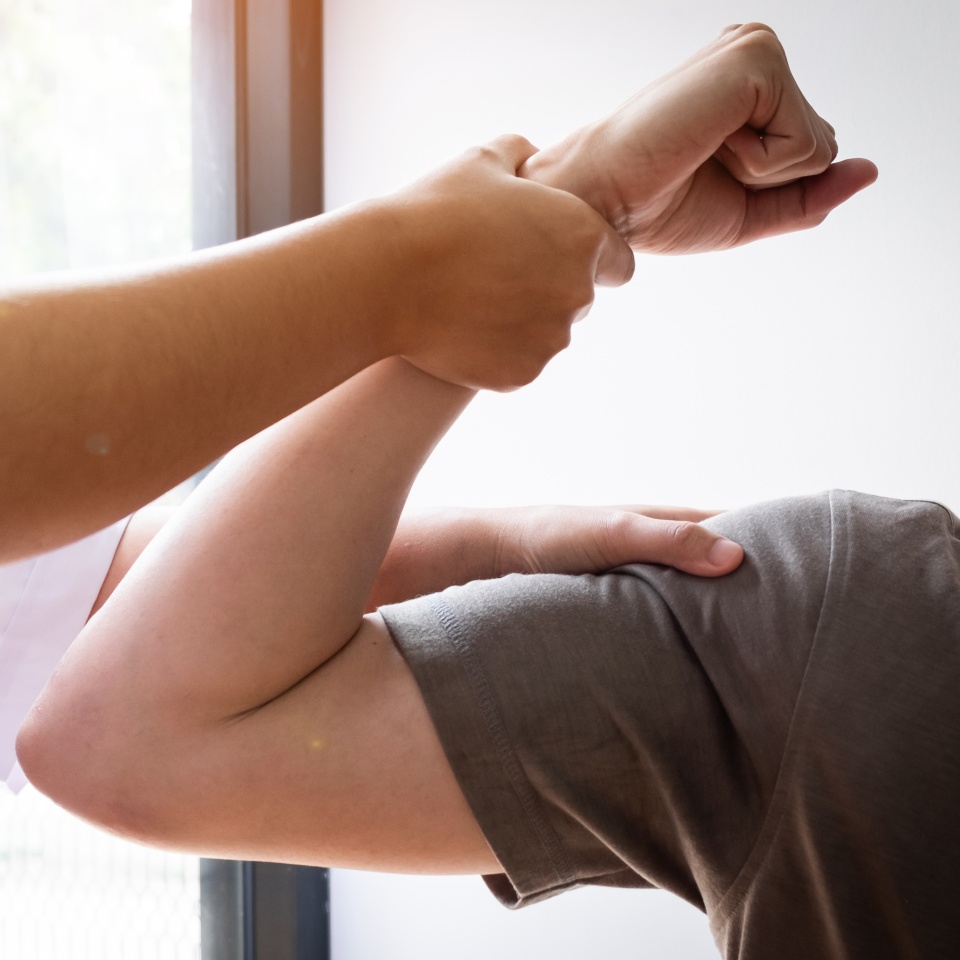
Dr. Jazayeri takes a holistic, performance-driven approach to preoperative planning—prioritizing each athlete’s functional goals, physiological profile, and recovery potential rather than relying solely on age. His comprehensive evaluation includes:
- Athletic and activity demands
- Detailed MRI analysis to define tear pattern and chronicity
- Metabolic and hormonal status
- Nutritional readiness, with attention to amino acid sufficiency and recovery substrates
This personalized strategy supports athletes across the spectrum—from youth competitors to elite lifters to senior bodybuilders—ensuring that every patient receives a tailored recovery roadmap aligned with their performance goals and healing capacity.
Elite-Level Care for Every Athlete
Whether you’re a competitive lifter, weekend warrior, or senior athlete who’s passionate about fitness, Dr. Jazayeri provides an evidence-based, cutting-edge pathway to healing.
With personalized care rooted in:
- Precision imaging and diagnosis
- Metabolic evaluation
- Advanced Surgical techniques
- Next-gen biologics
- Targeted nutritional support
You’ll experience a new standard of recovery. Dr. Jazayeri provides comprehensive care focused on returning high-level athletes to optimal performance through evidence-based practices and a commitment to the highest standards of patient care.
Postoperative Recovery
- Physical therapy typically starts within 1-2 weeks
- Sling x 6 week
- Personalized High protein diet x 3 months
- Targeted amino acid supplementation (2-6 weeks depends of tear severity)
- Light resistance work usually begins around 4months.
- Full return to sport/lifting typically 4-6 months (depends on tear severity, surgery timing, and protocol progression)
Potential Complications
While complication rates are low, potential risks include:
- Re-rupture or incomplete healing (more common in chronic or musculotendinous tears)
- Infection
- Stiffness or loss of range of motion
- Scar sensitivity or cosmetic irregularity
- Postoperative weakness if tendon healing is suboptimal
Success Rates
These potential complications are minimized through meticulous surgical technique, biological augmentation when appropriate, and Dr. Jazayeri’s targeted rehabilitation protocol.
With this comprehensive and biologically optimized approach, patients can expect:
- High rates of functional return 90-100%
- Restoration of muscle symmetry >92%
- Confidence to return to prior levels of performance—or even exceed them
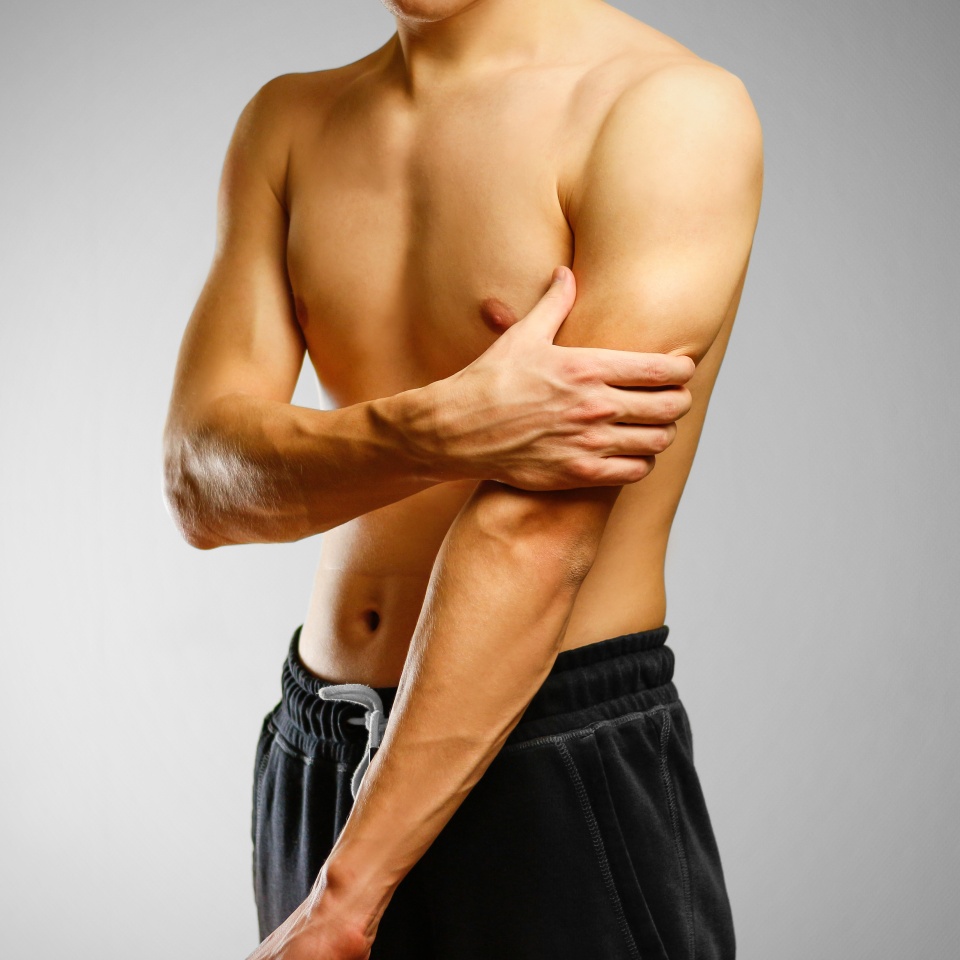
Watch: Pectoralis repair animation
Pectoralis Major Tendon Repair FAQ
-
A pectoralis major tendon tear is an injury to the large chest muscle that connects your upper arm to your chest. This type of injury often occurs during heavy lifting or contact sports, leading to pain and weakness in the shoulder.
-
Treatment options vary based on the severity of the tear. Partial tears may be treated with rest and physical therapy, while complete tears usually require surgical repair to restore function and strength.
-
Recovery time after pectoralis major tendon repair typically ranges from four to six months. The exact timeline depends on the severity of the tear and how well you follow the rehabilitation program.
-
Rehabilitation usually begins one to two weeks after surgery. You will wear a sling for about six weeks, followed by a structured physical therapy program to regain strength and mobility.
-
Yes, Dr. Jazayeri offers virtual consultations for patients across California. This allows you to discuss your injury and treatment options from the comfort of your home.
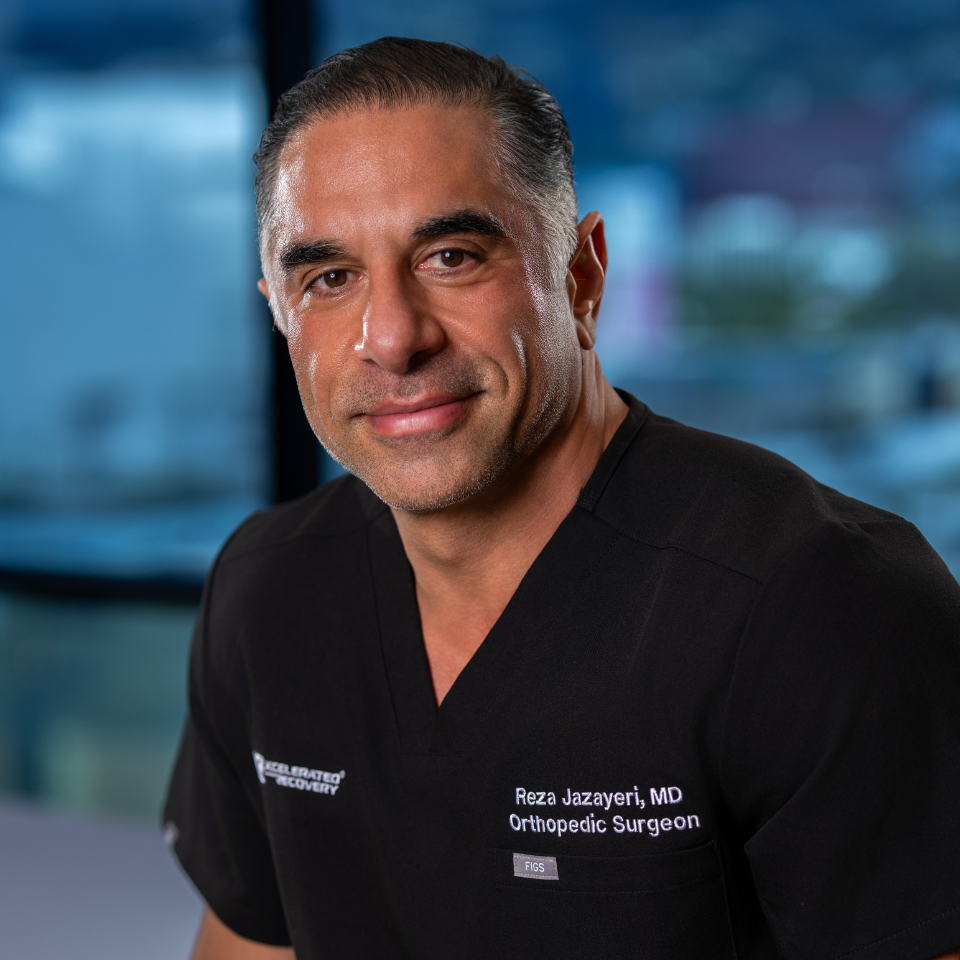
Why Choose Us For Pec Major Tendon Repair?
When it comes to Pec Major Tendon Repair, you want a surgeon who understands the unique demands of your lifestyle. Dr. Reza Jazayeri is a double board-certified orthopedic surgeon with over 15 years of experience. He specializes in sports medicine and has treated a wide range of patients, including recreational and competitive athletes, active adults, and combat sports practitioners in the Greater Los Angeles area.
Dr. Jazayeri uses advanced surgical techniques and biologic augmentation to enhance recovery. He focuses on minimally invasive methods, which can lead to quicker healing times and less discomfort. His personalized approach includes nutritional optimization and a structured rehabilitation program to help you regain strength and mobility after surgery.
Choosing Dr. Jazayeri means you’ll receive care that prioritizes your goals and lifestyle. He believes in treating every patient with the same level of care he would give to his own family. With his expertise, you can feel confident in your path to recovery.
Meet Dr. Reza Jazayeri
Dr. Reza Jazayeri specializes in sports medicine with expertise in shoulder, knee, and elbow injuries. A Southern California native, Dr. Jazayeri combines an engineering background with elite surgical training, completing his orthopedic surgery residency at the nationally ranked NYU Hospital for Joint Diseases and a sports medicine fellowship at the renowned Kerlan-Jobe Orthopaedic Clinic.
After more than 15 years caring for patients within the Southern California Permanente Medical Group, Dr. Jazayeri joined DOCS Health to expand a practice focused on personalized orthopedic and sports medicine care and surgical excellence. As Director of Longevity at DOCS Health, he leads the development and implementation of optimization protocols and regenerative medicine strategies designed to improve long-term musculoskeletal health and extend healthspan.
His published work includes a 2026 coauthored review of nutritional optimization in spine surgery in the Journal of the American Academy of Orthopaedic Surgeons. View Dr. Jazayeri’s research publications and training.
Dr. Jazayeri instilled a sense of calm & trust before my knee surgery. His unwavering dedication & commitment to patient care are truly inspiring. Thank you very much for the outstanding expertise & compassionate care. I’m extremely grateful. Yuko Hori
Schedule Your Consultation For Pectoralis Major Repair
If you have a pectoralis major tear and want to explore your options for Pec Major Tendon Repair, Dr. Reza Jazayeri can help. He is a double board-certified orthopedic surgeon with fellowship training in sports medicine from the Kerlan-Jobe Orthopaedic Clinic. His practice combines advanced surgical techniques, biologic augmentation, and metabolic optimization to support your recovery.
He treats every patient with the same level of care he would give to his own family and friends. To discuss your injury and learn more about a treatment plan designed for your goals, schedule a consultation at the Beverly Hills, Westlake Village, or Orange office, or arrange a virtual visit today.
Medically reviewed by Reza Jazayeri, M.D. on