If knee pain, swelling, or catching sensations are keeping you from your normal routine, you may be considering meniscus surgery. A torn meniscus can make everyday movements feel uncertain. When nonsurgical care isn’t enough, a well-planned procedure can help you return to the activities that matter.
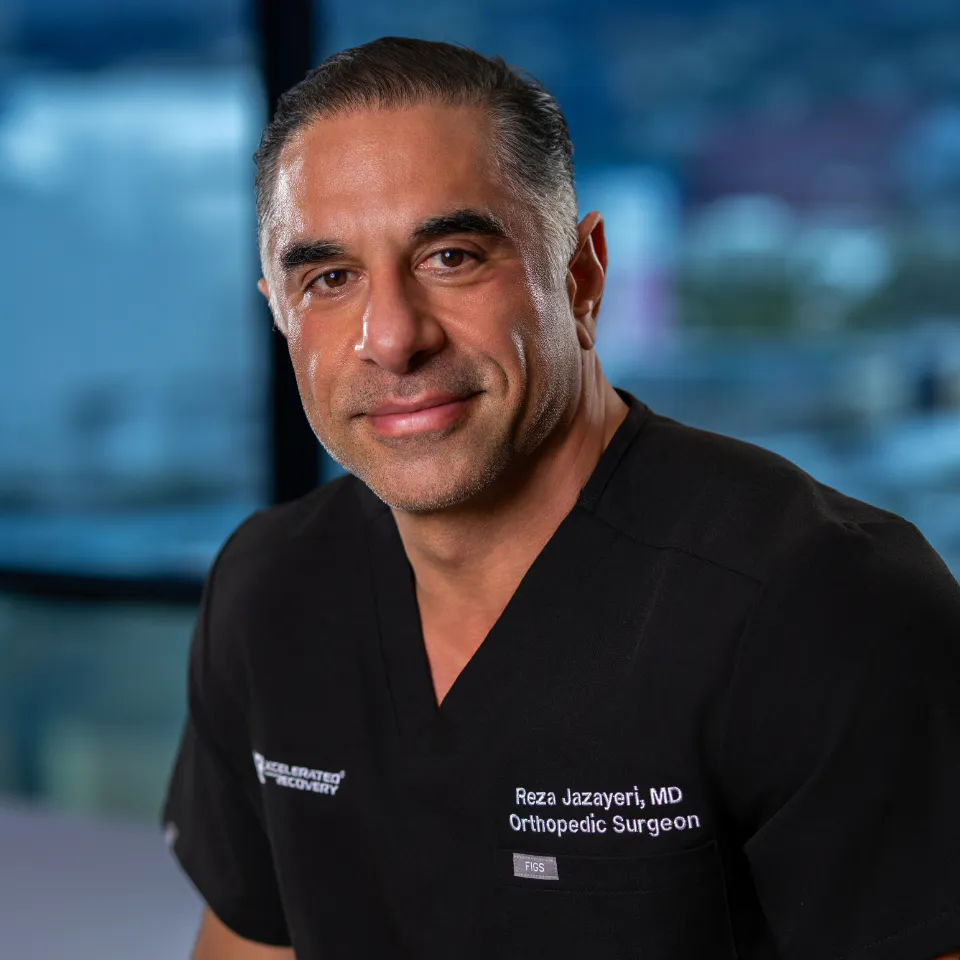
Dr. Reza Jazayeri is a double board-certified orthopedic surgeon specializing in sports medicine, with clinical expertise in shoulder, knee, and elbow care. His practice focuses on minimally invasive techniques and a non-surgical-first philosophy, ensuring you receive care that fits your injury, your goals, and your life. Dr. Jaz treats patients at his Beverly Hills, Westlake Village, and Orange offices, with virtual visits available for those outside the area.
Meniscus Surgery Overview For Patients
The meniscus is a C-shaped piece of cartilage that acts as a shock absorber between your thighbone and shinbone. When it tears, you might feel pain along the joint line, stiffness, or a locking sensation. Not every tear needs surgery.
Many people improve with physical therapy and activity changes. Surgery becomes a consideration when the knee catches, buckles, or stays painful despite conservative care.
The goal of meniscus surgery is to relieve those mechanical symptoms and protect the joint surfaces. Your surgeon will look at the tear pattern, your age, your activity level, and the overall health of your knee before recommending a specific approach.
Types Of Meniscus Surgery Explained
Two main procedures address meniscus tears. A meniscus repair uses sutures or anchors to stitch the torn tissue back together. This option works best for tears near the outer edge, where blood supply supports healing.
A partial meniscectomy removes only the damaged, unstable fragment and preserves as much healthy cartilage as possible. The choice depends on tear location, tissue quality, and how long the tear has been present. Dr. Jaz evaluates each case individually, drawing on advanced imaging and direct arthroscopic visualization to make the most tissue-preserving decision for your knee.
Benefits Of Meniscus Repair Techniques
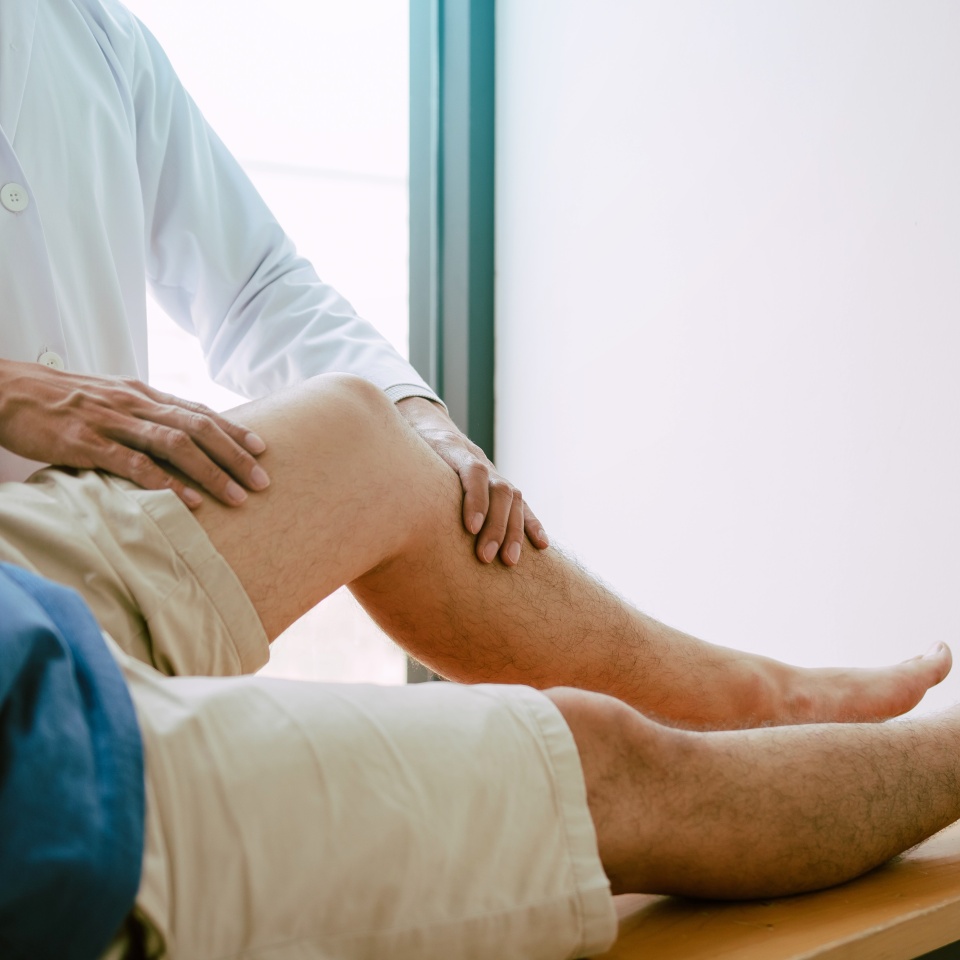
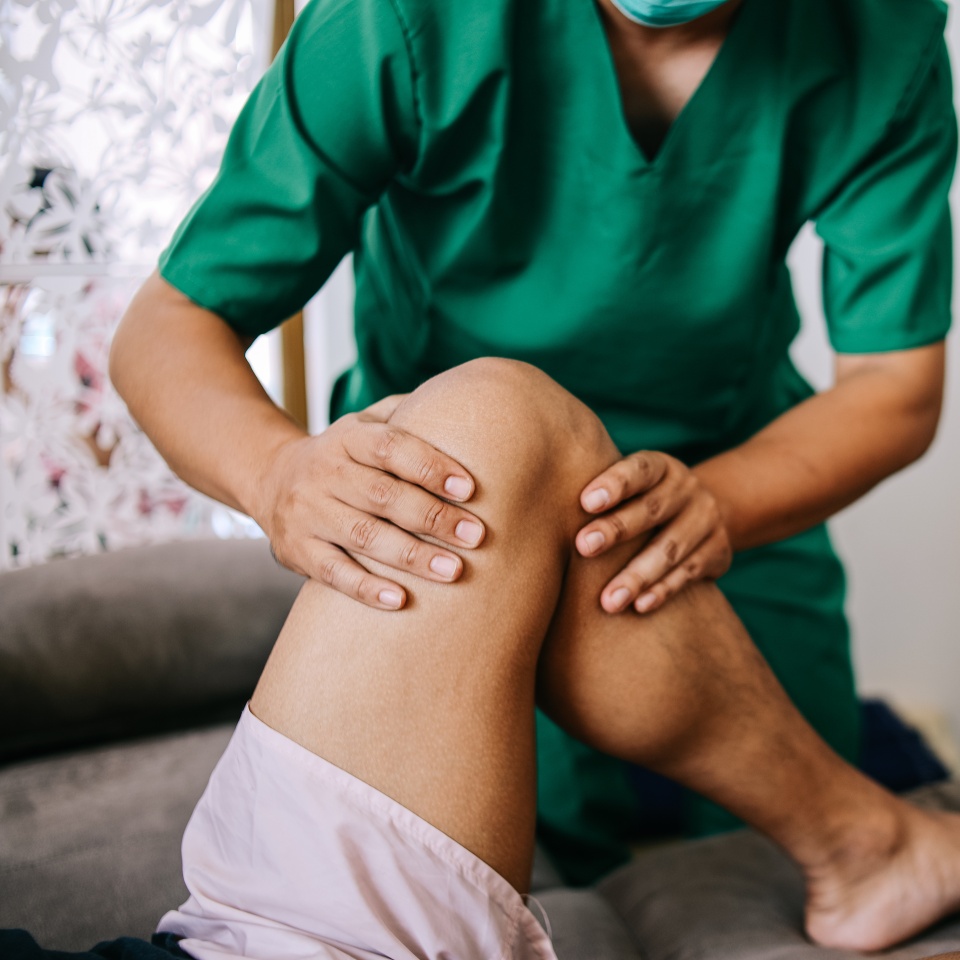
Preserving your natural meniscus matters for long-term joint health. Research shows that meniscus repair may lower the risk of future arthritis compared to removing tissue. When the tear is suitable for repair, stitching it back together restores the hoop structure that distributes load across the knee.
Dr. Jazayeri incorporates biologic augmentation when appropriate, using techniques developed through his Bio-Fertilization™ framework to support the healing environment. This approach combines precise surgical fixation with metabolic and nutritional preparation, including preoperative lab testing for vitamin D and inflammatory markers. The aim is to give your repair the strongest possible foundation for recovery.
What To Expect During Partial Meniscectomy
A partial meniscectomy is a straightforward arthroscopic procedure. Your surgeon makes two or three small incisions around the knee and inserts a tiny camera and specialized instruments. The damaged portion of the meniscus is trimmed away, leaving a stable, smooth rim.
Because only the torn fragment is removed, the healthy shock-absorbing tissue stays intact. The procedure typically takes under an hour.
Most patients go home the same day with a light bandage and instructions for weight-bearing and movement.
Recovery Timeline After Meniscus Surgery
Recovery varies by procedure type. After a partial meniscectomy, many patients walk without crutches within a few days and return to light activities in four to six weeks. Meniscus repair follows a more gradual path because the tissue needs time to heal.
You may use crutches and a brace for four to six weeks, with a full return to sports taking three to six months. Your specific timeline depends on the tear, the repair, and how your body responds.
Dr. Jaz sets clear, week-by-week expectations before surgery so you know what each phase looks like. His prehabilitation program prepares your body ahead of time, which can make the early recovery period smoother.
Role Of Physical Therapy In Recovery
Physical therapy is a central part of healing after meniscus surgery. Your therapist guides you through exercises that restore range of motion, rebuild quadriceps and hamstring strength, and retrain balance and control. Early sessions focus on reducing swelling and activating muscles without stressing the healing tissue.
As you progress, the work shifts to functional movement patterns that match your goals, whether that means hiking Runyon Canyon or returning to competitive sports. Dr. Jazayeri also offers a digital rehab partnership through myHealthTrack. This gives patients across California a structured, remote recovery program that complements in-person therapy sessions.
Signs Of Complications After Surgery
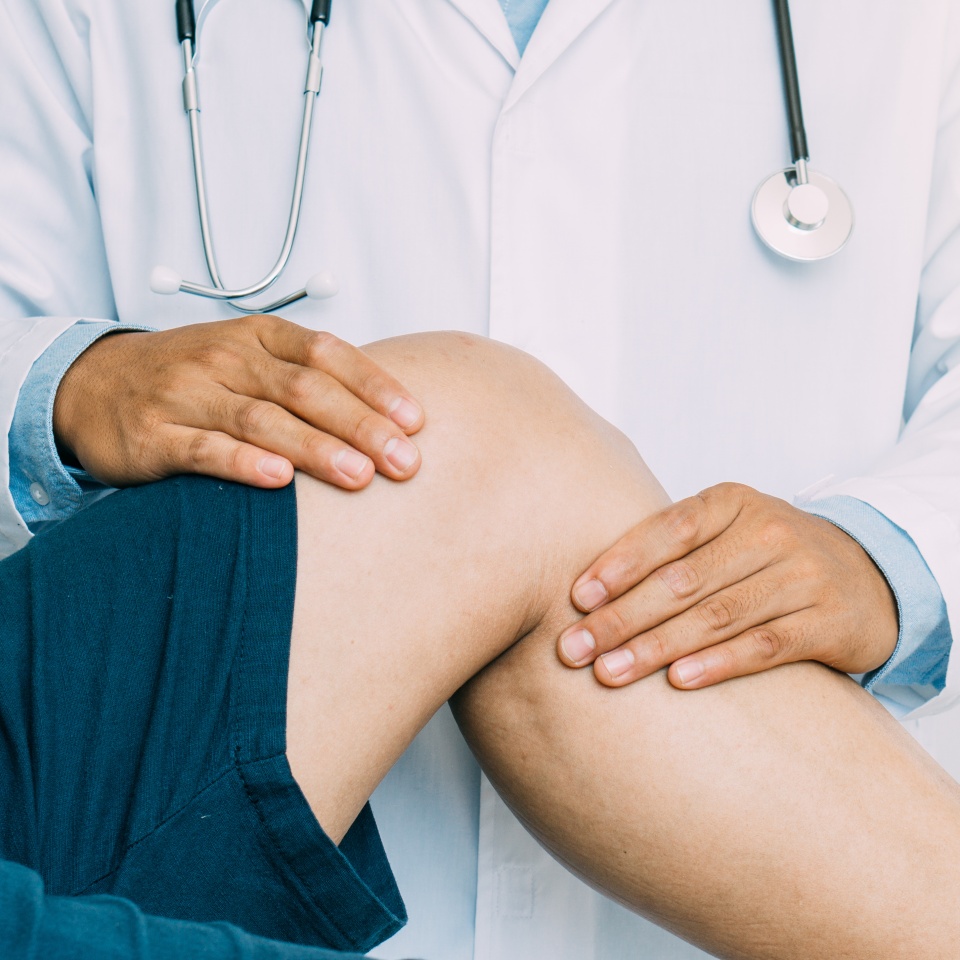
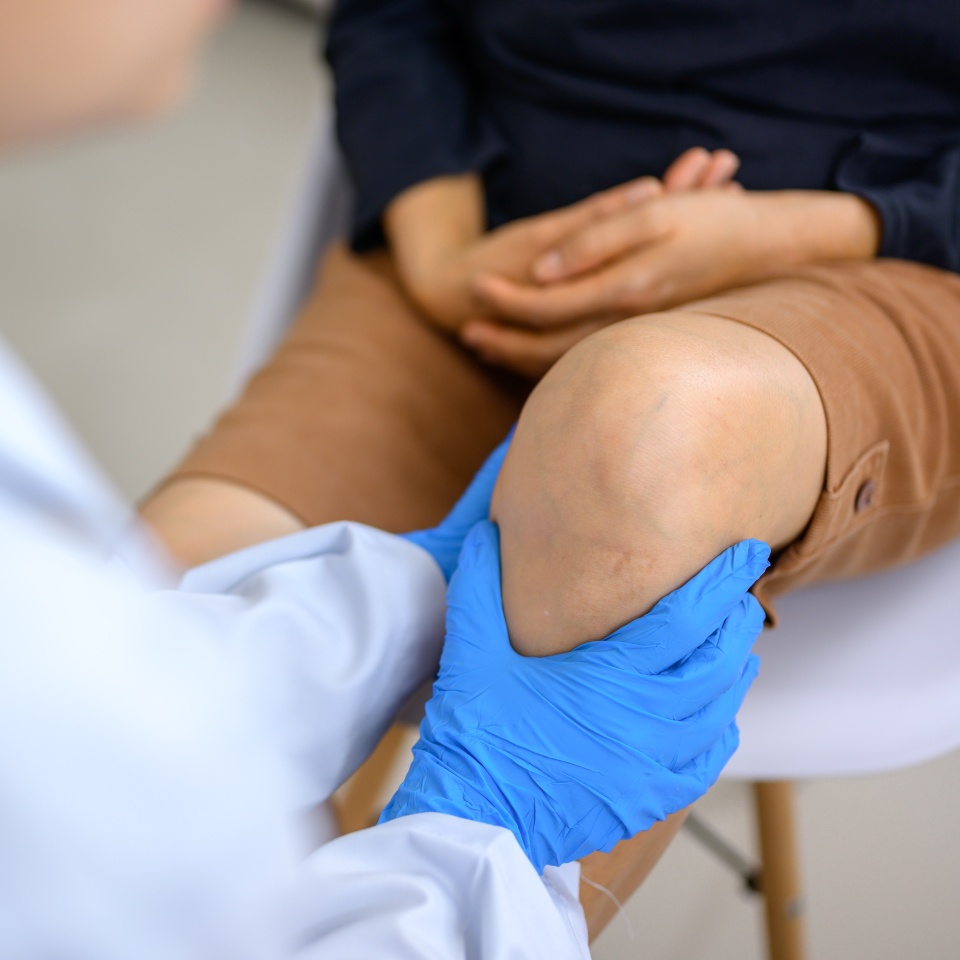
Most recoveries are uneventful, but you should know what to watch for. Call your surgeon if you develop a fever over 101°F, notice redness or warmth spreading around the incisions, or see drainage that increases rather than decreases. Calf pain or swelling that appears suddenly could signal a blood clot and needs immediate attention.
Some stiffness and swelling are normal in the first weeks. Pain that worsens instead of improving, or a knee that suddenly gives way, should be evaluated. Dr. Jazayeri provides direct access to his team so you can report concerns early and get clear guidance on next steps.
Choosing An Orthopedic Surgeon In Los Angeles
Selecting a surgeon is about training, experience, and trust. Look for a physician who is board-certified in orthopedic surgery and has completed a dedicated sports medicine fellowship. Dr. Jazayeri trained at NYU Hospital for Joint Diseases and completed his fellowship at the Kerlan-Jobe Orthopaedic Clinic, one of the most respected sports medicine programs in the country.
He has spent more than 15 years treating athletes, active adults, and combat sports practitioners throughout Southern California. His practice serves patients throughout Southern California, with virtual consultations available for those farther away. When you meet with him, you discuss your injury, your goals, and a plan built around your life, not a template.
Frequently Asked Questions About Meniscus Surgery
-
Meniscus surgery is a procedure to treat tears in the meniscus, which is the cartilage in your knee. It aims to relieve pain and restore knee function when other treatments, like physical therapy, are not enough.
-
There are two main types: meniscus repair and partial meniscectomy. Meniscus repair stitches the torn cartilage back together, while partial meniscectomy removes the damaged part of the meniscus.
-
Recovery time varies based on the type of surgery. After a partial meniscectomy, many patients can return to light activities in about 4 to 6 weeks, while meniscus repair may take 3 to 6 months for full recovery.
-
Physical therapy is crucial for recovery. It helps restore movement, rebuild strength, and improve balance, guiding you through exercises personalized to your recovery goals.
-
After surgery, watch for fever, increased redness, or drainage around the incision. If you experience sudden calf pain or swelling, contact your surgeon immediately, as these could indicate complications.
Why Choose Us For Meniscus Surgery?
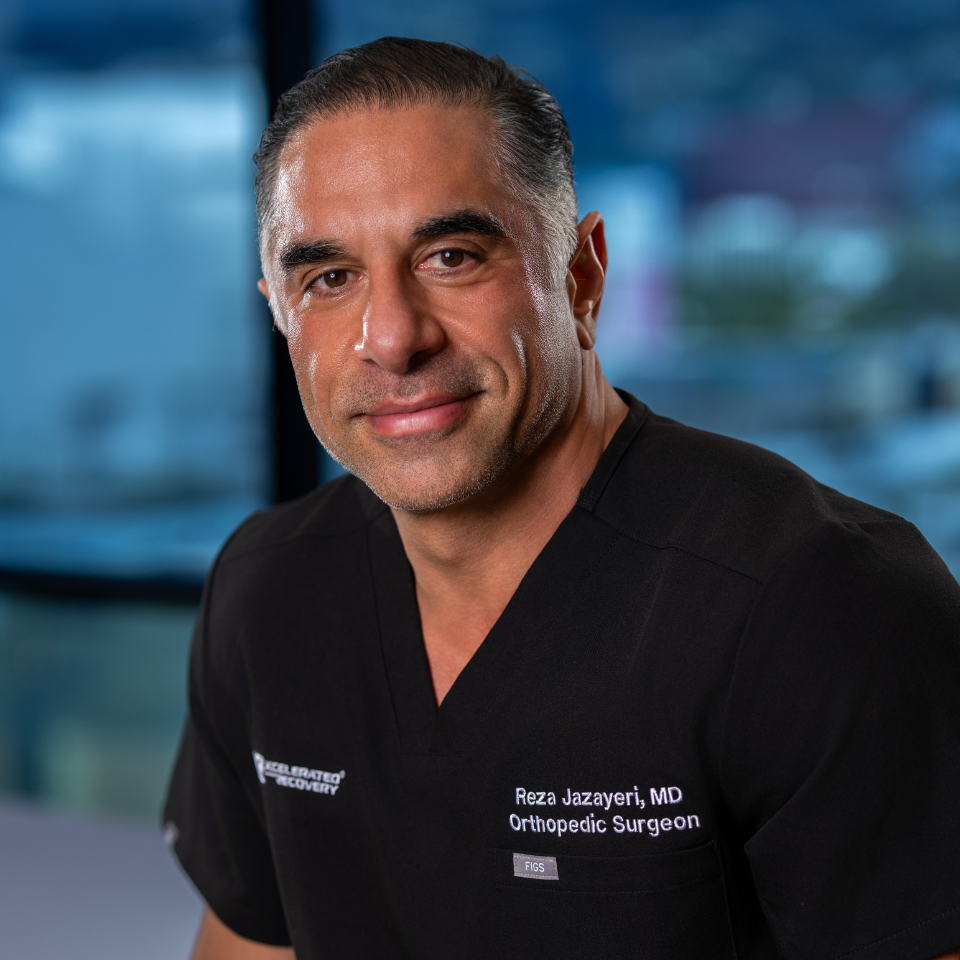
When it comes to meniscus surgery, experience matters. Dr. Reza Jazayeri is a double board-certified orthopedic surgeon specializing in sports medicine.
He has treated countless patients in the Greater Los Angeles area. His training at NYU Hospital for Joint Diseases and the Kerlan-Jobe Orthopaedic Clinic ensures you receive quality care.
We focus on personalized treatment plans. Dr. Jazayeri explores non-surgical options first and uses minimally invasive techniques whenever possible.
This approach helps you recover faster and get back to your favorite activities. With a commitment to your long-term joint health, we prioritize preserving your natural meniscus whenever we can.
We provide a supportive environment for your recovery. Our team guides you through every step, from prehabilitation to post-operative care.
You’ll have access to resources like physical therapy and digital rehab programs to ensure a smooth recovery. Choose us for a compassionate, experienced approach to your meniscus surgery.
Meet Dr. Reza Jazayeri
Dr. Reza Jazayeri specializes in sports medicine with expertise in shoulder, knee, and elbow injuries. A Southern California native, Dr. Jazayeri combines an engineering background with elite surgical training, completing his orthopedic surgery residency at the nationally ranked NYU Hospital for Joint Diseases and a sports medicine fellowship at the renowned Kerlan-Jobe Orthopaedic Clinic.
After more than 15 years caring for patients within the Southern California Permanente Medical Group, Dr. Jazayeri joined DOCS Health to expand a practice focused on personalized orthopedic and sports medicine care and surgical excellence. As Director of Longevity at DOCS Health, he leads the development and implementation of optimization protocols and regenerative medicine strategies designed to improve long-term musculoskeletal health and extend healthspan.
His published work includes a 2026 coauthored review of nutritional optimization in spine surgery in the Journal of the American Academy of Orthopaedic Surgeons. View Dr. Jazayeri’s research publications and training.
Dr.”Jaz” performed knee reconstructive surgery on my knee (I was 58 yrs old and in decent condition/ active and energetic). Tho I was informed to use crutches for whatever amount of time, the NEXT DAY I did not need crutches! I worked HARD (for me) precisely exercising not over the top but being sure to do the exercises correctly. I was up and about in no time. For a few months I was slightly tentative (b/c I’d been traumatized by prior injuries) so I feel that set me back — STILL! I am absolutely amazed at my current status — ZERO ISSUES/concerns, THANK YOU DR. JAZ! ps he was not good at follow up so if you need somebody to hold your hand, he’s not that guy — but my knee was a DISASTER and now I can enjoy hard work when necessary and dancing, ALWAYS!
Schedule Your Consultation For Meniscus Surgery
Living with a torn meniscus can make every step feel uncertain. You deserve a clear diagnosis and a treatment plan that matches your needs. Dr. Jazayeri takes a measured, evidence-based approach to meniscus surgery, exploring nonsurgical options first and using minimally invasive techniques when a procedure is necessary.
With offices in Beverly Hills, Westlake Village, and Orange, and virtual visits available for patients across California, getting started is straightforward. Reach out to the practice today to schedule your consultation and take the next step toward a stronger, more stable knee.
Medically reviewed by Reza Jazayeri, M.D. on