Meniscal root repair is a procedure that reattaches the torn anchor point of your meniscus to the bone. When this root tears, your knee loses a critical shock absorber.
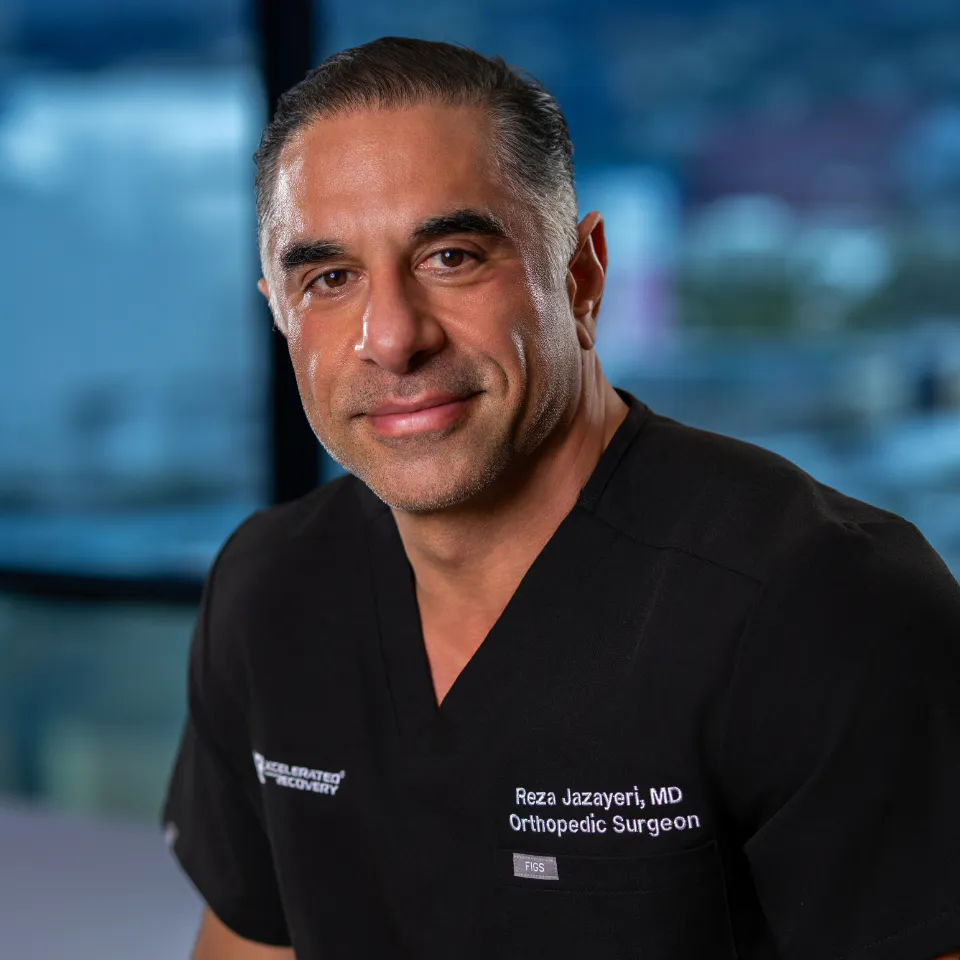
Dr. Reza Jazayeri is a double board-certified orthopedic surgeon specializing in sports medicine. He completed a fellowship at the Kerlan-Jobe Orthopaedic Clinic in Los Angeles.
He focuses on knee care and uses advanced techniques to restore function. Dr. Jaz treats this specific injury at his Beverly Hills, Westlake Village, and Orange offices, with virtual consultations available for those farther away. Early repair can help you protect your joint and return to the activities you value.
Meniscal Root Repair Surgery Overview
A meniscal root tear happens where the meniscus attaches to the tibia. This connection is essential for distributing weight across your knee. Without it, the meniscus can extrude, and joint stress increases sharply.
The repair surgery pulls the torn root back to its footprint and secures it with strong sutures through a small bone tunnel. Dr. Jazayeri performs this as a minimally invasive arthroscopic procedure. The goal is to restore the knee’s natural biomechanics.
Research shows that successful repair can slow the progression of cartilage wear. Acting quickly after diagnosis gives you the best chance at preserving your joint long-term.
Symptoms Of Meniscal Root Tears
You may feel sharp pain at the back of your knee, especially when walking downstairs or squatting. Swelling often develops within hours of the injury. Many people describe a sensation of the knee locking or catching during movement.
Some feel like the knee might give way under load. These symptoms can mimic other knee problems, so a thorough exam is necessary.
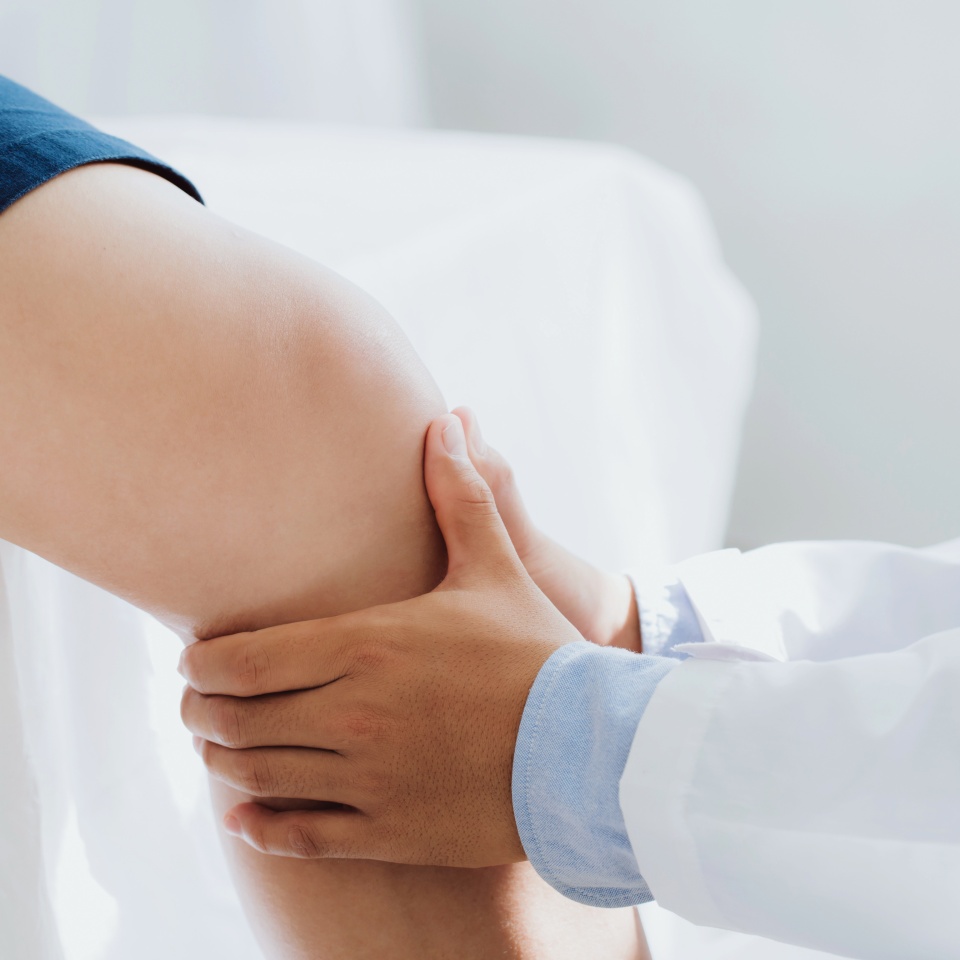
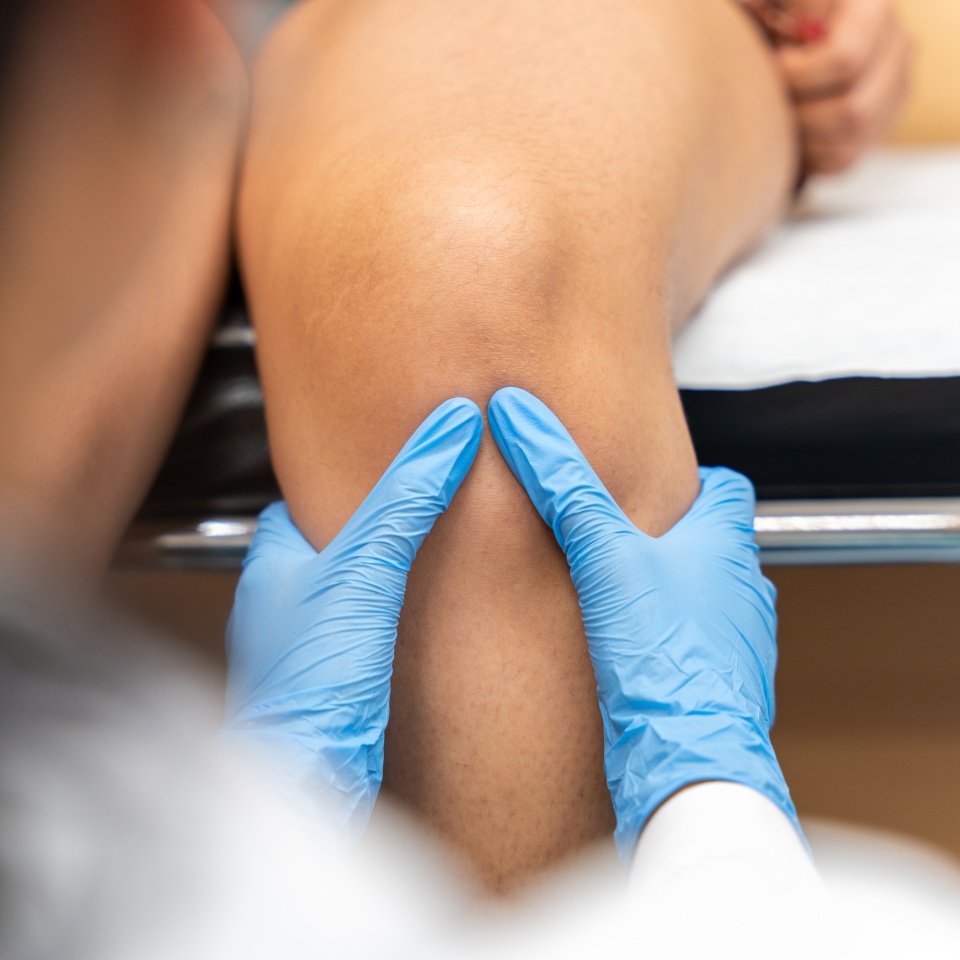
Dr. Jazayeri evaluates your knee with specific physical tests and confirms the diagnosis with MRI imaging. If you have persistent pain and a feeling of instability in the Greater Los Angeles area, an evaluation can clarify the source of your symptoms.
Surgical Techniques For Meniscal Root Repair
The repair is done arthroscopically through small incisions around the knee. A camera guides the instruments to the tear site. Dr. Jaz prepares the bone bed where the root detached and passes high-strength sutures through the meniscus.
These sutures are pulled through a bone tunnel and tied down to hold the root in its correct position. This technique re-creates the native anatomy.
His training at the Kerlan-Jobe Orthopaedic Clinic in Los Angeles informs his approach to these complex knee procedures. The method aims to heal the root back to bone and restore the meniscus function as a load-sharing structure.
Preparing For Meniscal Root Repair Surgery
Preparation starts with a medical evaluation and advanced imaging to map the tear pattern. Dr. Jazayeri includes preoperative lab testing as a standard part of his protocol. He checks vitamin D levels, inflammatory markers, and muscle status to optimize your body for healing.
You may begin prehabilitation exercises to strengthen the surrounding muscles before surgery. This structured pre-surgical conditioning supports a smoother recovery. You will receive specific instructions on medications and fasting before the procedure.
Patients in Los Angeles and Beverly Hills can complete much of this preparation close to home. Virtual consultations are also available for those across California.
Recovery Timeline After Meniscal Root Repair
You will use crutches and limit weight on your leg for about six weeks after surgery. This protects the repair while the root heals to the bone. A brace keeps your knee stable during this early phase.
Most people can return to light daily activities within two to three months. Running and higher-impact work take longer, often four to six months. Full return to sports may require six to nine months of dedicated rehabilitation.
Dr. Jaz monitors your progress through follow-up visits to confirm the repair is healing as expected. His recovery protocols are built on over 15 years of experience treating active adults and athletes.
Physical Therapy Following Meniscal Root Repair
Physical therapy begins soon after surgery with gentle range-of-motion exercises. Your therapist guides you through a phased program that respects the healing timeline. Early work focuses on reducing swelling and activating the quadriceps.
As healing progresses, you add strengthening and balance exercises. Dr. Jazayeri partners with a digital rehab platform called myHealthTrack to support your recovery remotely. This gives you access to guided exercises and progress tracking between office visits.
Patients throughout the Greater Los Angeles area use this tool to stay on track. Consistent therapy is essential for regaining full knee function and confidence.

Preventing Knee Arthritis After Surgery
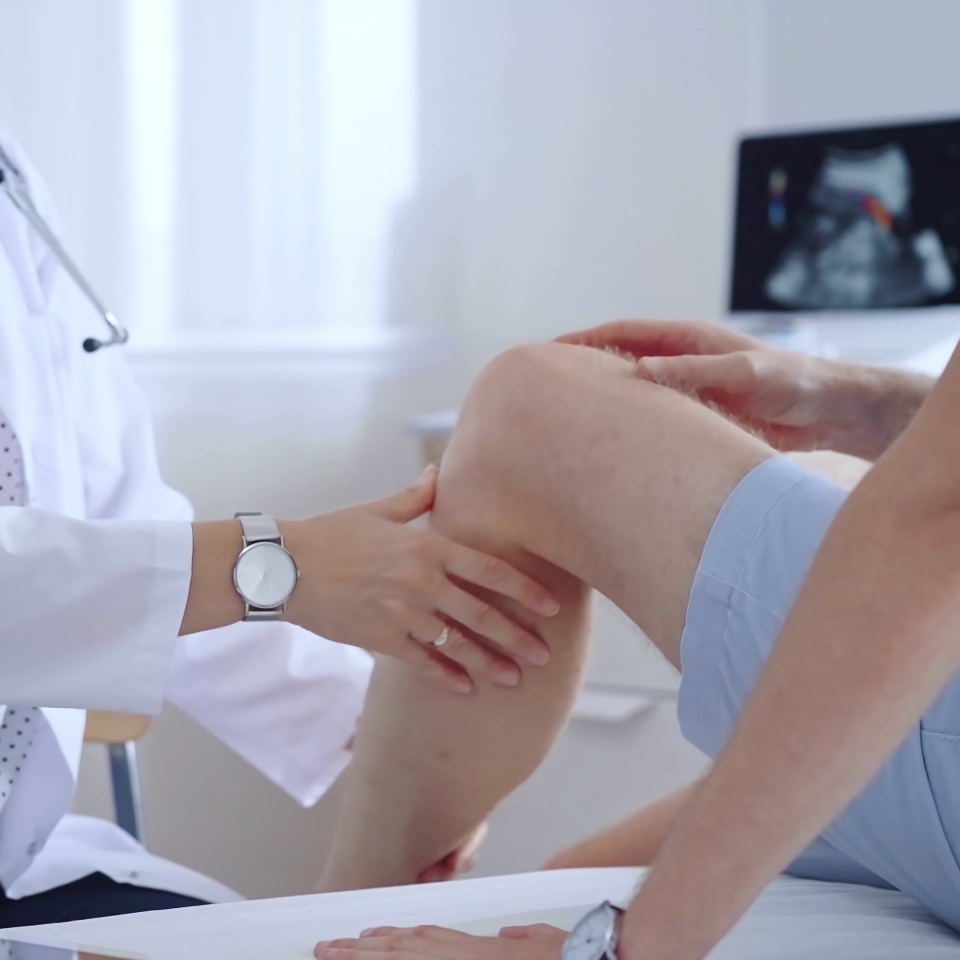
The main reason to repair a meniscal root tear is to prevent early arthritis. A functioning meniscus protects the cartilage on the ends of your bones. When the root is fixed, joint contact pressures return closer to normal.
This reduces the risk of rapid cartilage breakdown. Dr. Jazayeri also addresses metabolic factors that influence joint health. He may recommend targeted supplementation based on your lab results to support tissue quality.
Maintaining a healthy weight and staying active with low-impact exercise further protects your knee. His clinical focus on musculoskeletal longevity means your long-term joint health is part of the plan from the start.
Meniscal Root Repair Surgery FAQ
-
Meniscal root repair surgery is a procedure that reattaches the torn anchor point of the meniscus to the bone. This surgery is important because a torn meniscal root can lead to knee instability and increased risk of arthritis if not treated.
-
Common symptoms include sharp pain at the back of the knee, swelling, and a feeling of locking or catching during movement. If you experience these symptoms, it’s crucial to seek a medical evaluation to confirm the diagnosis.
-
The recovery process typically involves using crutches and limiting weight on the leg for about six weeks. Most patients can return to light daily activities within two to three months, but full recovery may take six to nine months, depending on individual progress.
-
Preparation for surgery includes a medical evaluation and imaging to assess the tear. You may also undergo preoperative lab tests to optimize your body for healing and start prehabilitation exercises to strengthen your muscles before the procedure.
-
Repairing a meniscal root tear helps restore the knee’s natural function and reduces abnormal joint stress. This can slow down cartilage wear and lower the risk of developing arthritis in the future.
Why Choose Us For Meniscal Root Repair
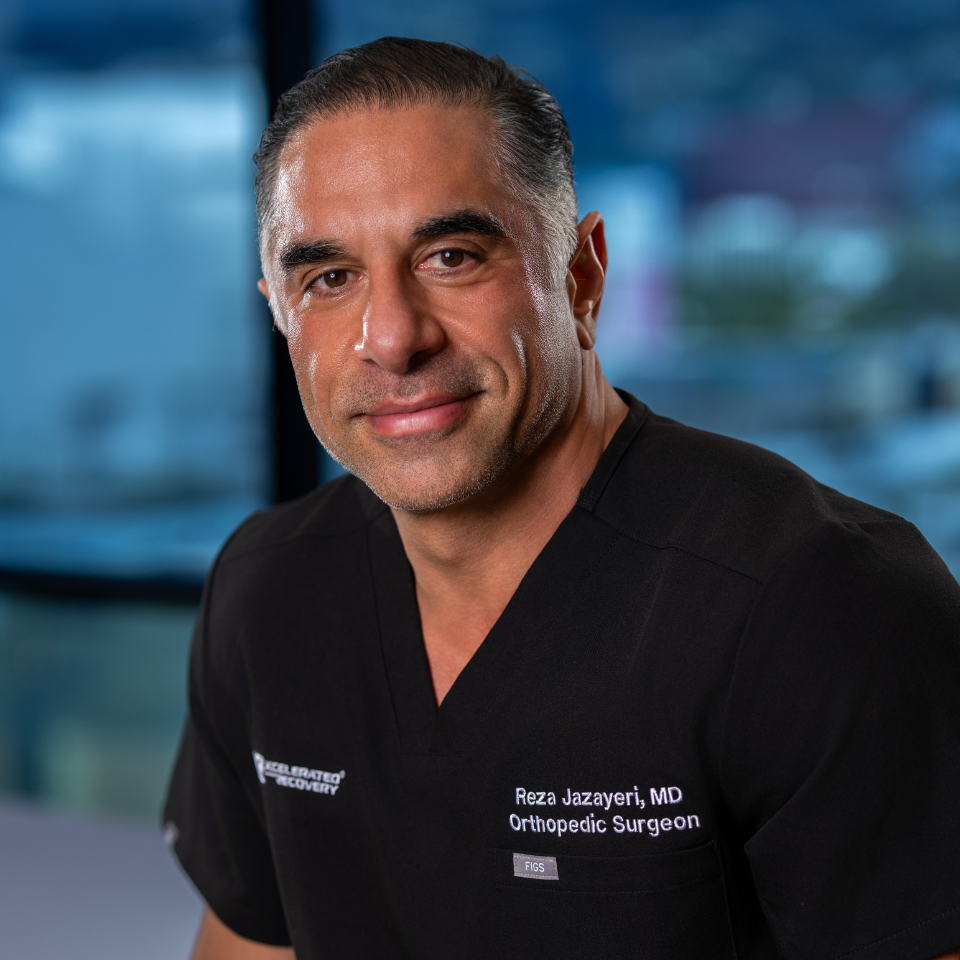
We specialize in meniscal root repair with a focus on getting you back to your active life. Dr. Reza Jazayeri is a double board-certified orthopedic surgeon with clinical expertise in sports medicine.
He uses advanced techniques to ensure your knee functions well after surgery. Our approach combines minimally invasive methods with personalized recovery plans to meet your needs.
We understand that knee injuries can be frustrating, that’s why we prioritize quick evaluations and effective treatment options. Dr. Jazayeri’s training at the Kerlan-Jobe Orthopaedic Clinic in Los Angeles means you’re in skilled hands. We also offer virtual consultations for your convenience, making it easier for you to get the care you need, no matter where you are in California.
Meet Dr. Reza Jazayeri
Dr. Reza Jazayeri specializes in sports medicine with expertise in shoulder, knee, and elbow injuries. A Southern California native, Dr. Jazayeri combines an engineering background with elite surgical training, completing his orthopedic surgery residency at the nationally ranked NYU Hospital for Joint Diseases and a sports medicine fellowship at the renowned Kerlan-Jobe Orthopaedic Clinic.
After more than 15 years caring for patients within the Southern California Permanente Medical Group, Dr. Jazayeri joined DOCS Health to expand a practice focused on personalized orthopedic and sports medicine care and surgical excellence. As Director of Longevity at DOCS Health, he leads the development and implementation of optimization protocols and regenerative medicine strategies designed to improve long-term musculoskeletal health and extend healthspan.
His published work includes a 2026 coauthored review of nutritional optimization in spine surgery in the Journal of the American Academy of Orthopaedic Surgeons. View Dr. Jazayeri’s research publications and training.
Dr. Jazayeri instilled a sense of calm & trust before my knee surgery. His unwavering dedication & commitment to patient care are truly inspiring. Thank you very much for the outstanding expertise & compassionate care. I’m extremely grateful. Yuko Hori
Consult With Our Team For Meniscal Root Repair
If you have knee pain and suspect a meniscal root tear, a timely evaluation matters. Dr. Jazayeri brings focused knee expertise and a sports medicine fellowship from the Kerlan-Jobe Orthopaedic Clinic in Los Angeles to your care.
All three offices – Beverly Hills, Westlake Village, and Orange – offer convenient access. Virtual consultations are also available for patients across California. Contact the practice to schedule your visit and discuss whether meniscal root repair is the right step for your knee.
Medically reviewed by Reza Jazayeri, M.D. on