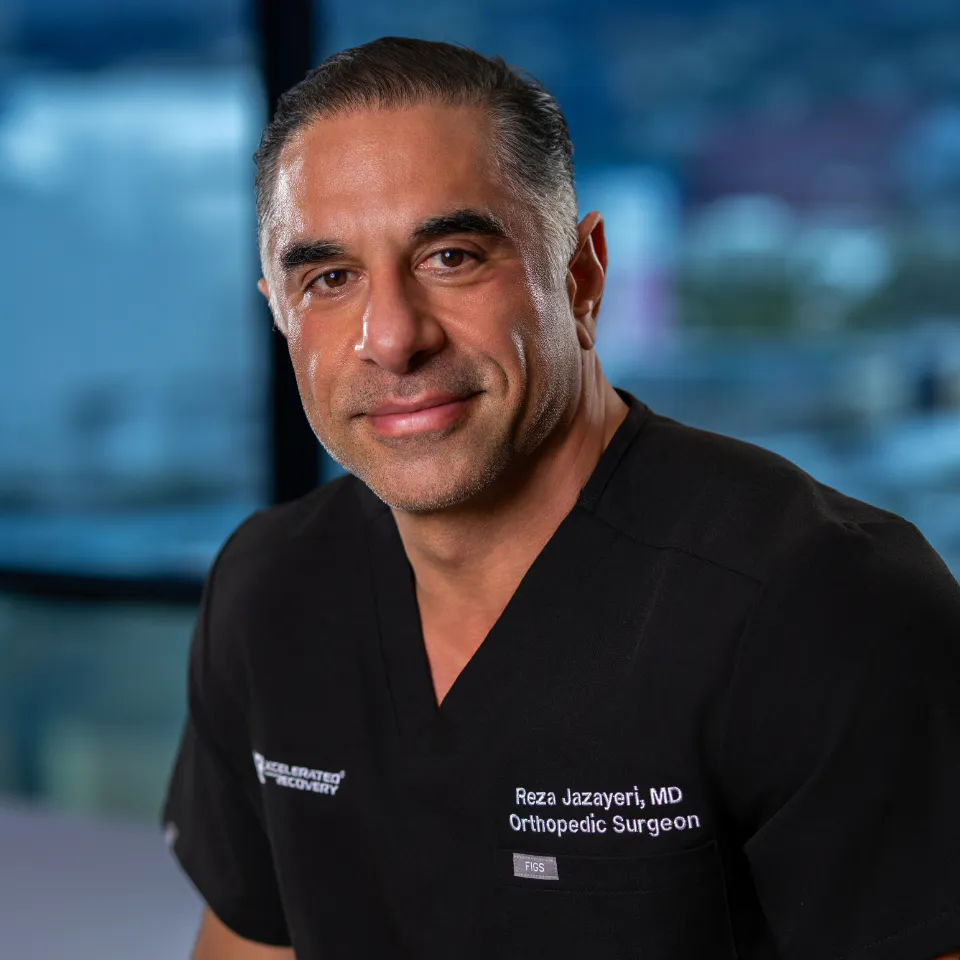
Knee cartilage injuries can make everyday movement feel difficult and uncertain. When the smooth tissue that cushions your knee joint gets damaged, walking, climbing stairs, or even standing can become painful. Dr. Reza Jazayeri is a double board-certified orthopedic surgeon with a sports medicine fellowship from the Kerlan-Jobe Orthopaedic Clinic in Los Angeles.
He brings over 15 years of experience treating knee cartilage injuries in athletes and active adults throughout the Greater Los Angeles area, with offices in Beverly Hills, Westlake Village, and Orange. His clinical focus on the knee means you get care informed by advanced training and a non-surgical-first approach whenever possible.
What Are Knee Cartilage Injuries And Their Causes
Cartilage is the firm, flexible tissue that covers the ends of bones inside your knee joint. It acts as a shock absorber and allows bones to glide smoothly against each other. A knee cartilage injury happens when this tissue tears, frays, or wears down.
Acute trauma from a sports impact, a sudden twist, or a fall can cause a focal cartilage defect. Repetitive stress from running or jumping may also lead to damage over time.
Degenerative conditions like osteoarthritis gradually thin the cartilage, making it rough and less protective. Without healthy cartilage, bone can rub against bone, causing pain, swelling, and stiffness.
Signs And Symptoms Of Knee Cartilage Injuries
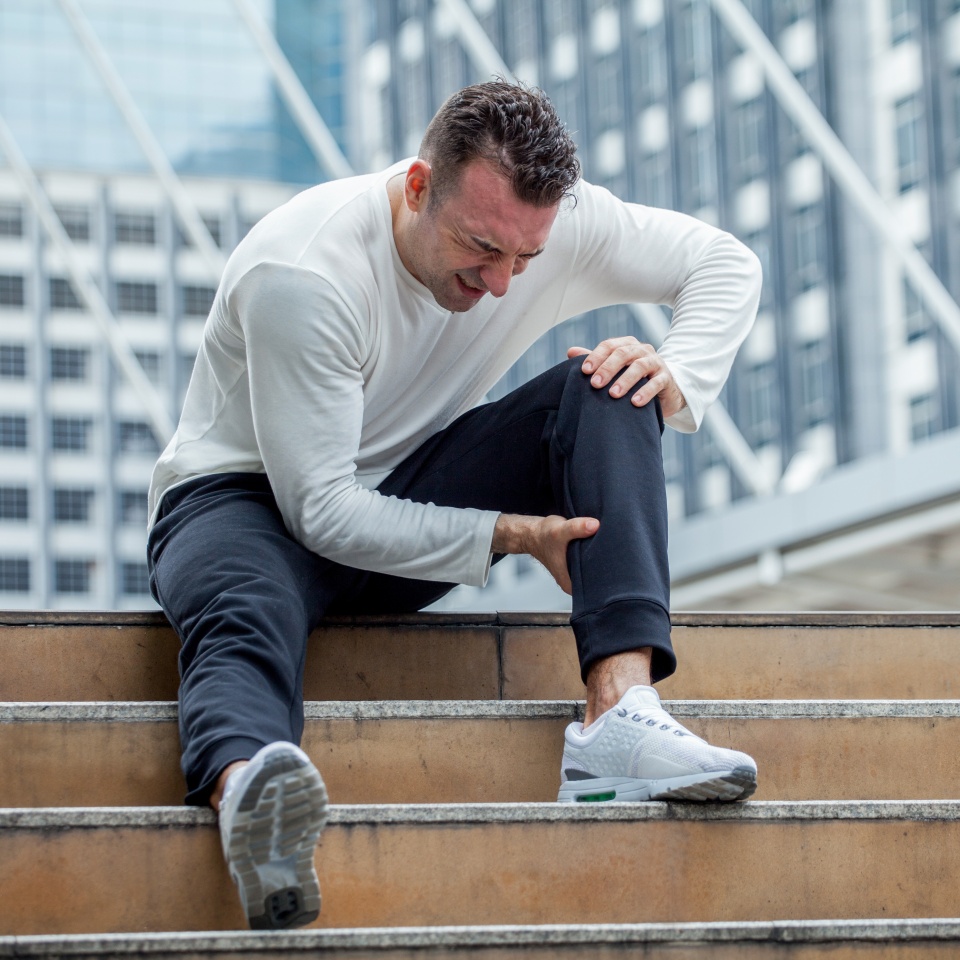
You might notice a deep ache inside your knee that gets worse with activity. Swelling often appears within hours or the next day after use. Many people feel a catching or locking sensation when they bend or straighten the leg.
The knee may buckle or feel unstable during weight-bearing movements. Stiffness after sitting for a while is common, and the joint might make grinding or clicking sounds. These symptoms can range from mild annoyance to significant limitation.
If you live in Greater Los Angeles and stay active, ignoring these signs can lead to more extensive damage. Early evaluation helps you understand the injury and your options.
Non-Surgical Treatments For Knee Cartilage Injuries
For mild to moderate cartilage damage, non-surgical care often provides meaningful relief. Activity modification is usually the first step. You may need to reduce high-impact exercises and switch to swimming or cycling temporarily.
Physical therapy strengthens the muscles around your knee, improving support and reducing load on the damaged cartilage. Bracing can help stabilize the joint during daily activities. Some patients benefit from anti-inflammatory medications to manage pain and swelling.
Dr. Jazayeri explores these options first, consistent with his non-surgical-first approach. The goal is to improve function and slow further cartilage deterioration without an operation.
Benefits Of Physical Therapy For Knee Cartilage Recovery
Physical therapy plays a central role in managing knee cartilage injuries. A structured program targets the quadriceps, hamstrings, that control knee movement. Stronger muscles absorb force that would otherwise travel through the joint.
This reduces stress on the damaged cartilage and can ease pain during walking and stair climbing. Therapy also improves range of motion and teaches you movement patterns that protect the knee long-term.
For patients in the Greater Los Angeles area, consistent physical therapy can delay or even prevent the need for surgery. Dr. Jazayeri incorporates prehabilitation, a structured pre-surgical conditioning program, when treatment may eventually lead to an operation.
Regenerative Therapies For Knee Cartilage Injuries
Regenerative treatments use your body’s own healing factors to address cartilage damage. Platelet-rich plasma injections concentrate growth factors from your blood and deliver them directly into the knee joint. This may reduce inflammation and support tissue repair.
Dr. Jazayeri has clinical expertise in biologics and regenerative medicine, including PRP and stem cell augmentation. He also developed the Bio-Fertilization Technique, a surgical framework combining biologic augmentation with metabolic optimization.
These ortho-biologic approaches are part of his broader practice philosophy. Regenerative therapies are not right for every injury. They offer an additional option between conservative care and major surgery for some patients.
Surgical Options For Severe Knee Cartilage Damage
When cartilage loss is extensive or non-surgical methods do not provide enough relief, surgery may be the next step. Microfracture creates small holes in the bone to stimulate new cartilage growth. Autologous chondrocyte implantation takes healthy cartilage cells from your knee, grows them in a lab, and reimplants them into the defect.
Osteochondral allograft transplantation uses donor cartilage and bone to fill larger areas of damage. Dr. Jaz applies minimally invasive techniques throughout his surgical practice.
His BOAT Protocol, a biologically optimized ACL technique, reflects his commitment to combining advanced surgical methods with recovery frameworks. The right procedure depends on the size, location, and depth of your cartilage injury.
Recovery Process After Knee Cartilage Surgery
Recovery varies by procedure but generally involves several months of guided rehabilitation. You may need crutches and limited weight-bearing for weeks after surgery. Physical therapy starts early, focusing on gentle range of motion before progressing to strengthening.
Dr. Jazayeri uses preoperative lab testing to check vitamin D levels, inflammatory markers, and muscle status. He then provides targeted supplementation as part of his standard surgical protocol. This nutritional and metabolic optimization supports healing from the inside.
His digital rehab partnership with myHealthTrack offers a remote recovery program for patients across California. Full return to sports or high-impact activity can take six to twelve months.
How To Choose The Right Treatment For Your Knee Injury
Your age, activity level, and the specific pattern of cartilage damage all shape the treatment decision. A young athlete with a small, isolated defect may benefit from a different approach than an older adult with widespread osteoarthritis. Dr. Jazayeri evaluates each case individually, drawing on his sports medicine training at the Kerlan-Jobe Orthopaedic Clinic.
He considers non-surgical options first and discusses the risks and benefits of each path. His philosophy is to treat every patient with the same level of care he would give to his own family and friends. This means honest conversations about what each treatment can and cannot do for your knee.
Frequently Asked Questions
-
Knee cartilage injuries can occur due to acute trauma, like a fall or a sports impact. They can also develop over time from repetitive stress or degenerative conditions such as osteoarthritis.
-
Non-surgical options often include physical therapy, activity modification, and bracing. These methods aim to relieve pain and improve function without the need for surgery.
-
Physical therapy strengthens the muscles around the knee, which helps reduce stress on the damaged cartilage. It also improves range of motion and teaches movement patterns that protect the knee.
-
Surgical treatments may include microfracture, autologous chondrocyte implantation, or osteochondral allograft transplantation. The choice of procedure depends on the extent and location of the cartilage damage.
-
Recovery can vary but generally involves several months of rehabilitation. Patients may need to limit weight-bearing activities and start physical therapy early to regain strength and mobility.
Why Choose Dr. Reza Jazayeri For Knee Cartilage Injuries?
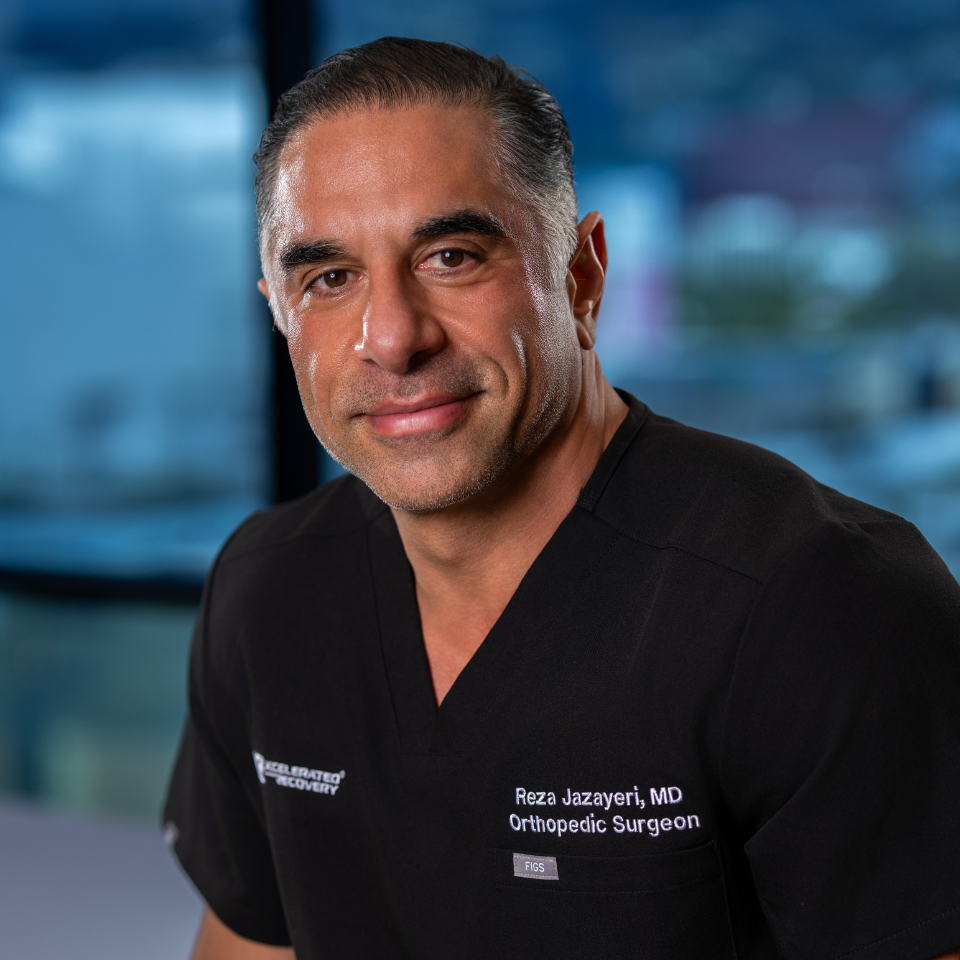
When dealing with knee cartilage injuries, you want a doctor who understands your needs. Dr. Reza Jazayeri, known to his patients as Dr. Jaz, is a double board-certified orthopedic surgeon with over 15 years of experience.
He specializes in sports medicine and has treated many patients in the Greater Los Angeles area. His focus on knee care means you receive experienced attention based on his clinical expertise in shoulder, knee, and elbow care.
Dr. Jazayeri takes a non-surgical-first approach, exploring options like physical therapy and regenerative treatments before considering surgery. He uses advanced techniques, including his own Bio-Fertilization Technique, to enhance recovery. His commitment to personalized care ensures that every patient receives the same level of attention he would give to his family and friends.
Whether you’re an athlete or just looking to regain your mobility, Dr. Jaz is here to help you get back to your active life.
Meet Dr. Reza Jazayeri
Dr. Reza Jazayeri specializes in sports medicine with expertise in shoulder, knee, and elbow injuries. A Southern California native, Dr. Jazayeri combines an engineering background with elite surgical training, completing his orthopedic surgery residency at the nationally ranked NYU Hospital for Joint Diseases and a sports medicine fellowship at the renowned Kerlan-Jobe Orthopaedic Clinic.
After more than 15 years caring for patients within the Southern California Permanente Medical Group, Dr. Jazayeri joined DOCS Health to expand a practice focused on personalized orthopedic and sports medicine care and surgical excellence. As Director of Longevity at DOCS Health, he leads the development and implementation of optimization protocols and regenerative medicine strategies designed to improve long-term musculoskeletal health and extend healthspan.
His published work includes a 2026 coauthored review of nutritional optimization in spine surgery in the Journal of the American Academy of Orthopaedic Surgeons. View Dr. Jazayeri’s research publications and training.
Dr. Reza Jazayeri is an outstanding orthopedic specialist. From the initial consultation to follow-up care, he demonstrated expertise, professionalism, and genuine compassion. He took the time to explain my diagnosis and treatment options clearly, making sure I was comfortable and informed every step of the way. The results of my treatment exceeded my expectations, and I’m so grateful for his skill and care. I highly recommend Dr. Jazayeri to anyone seeking top-notch orthopedic care!
Schedule A Consultation For Knee Cartilage Treatment Options
If knee pain is keeping you from the activities you enjoy, getting a clear diagnosis is the first step. Virtual consultations are also available for patients across California and beyond.
His double board certification in orthopedic surgery and sports medicine, combined with over 15 years of experience, means you receive care grounded in advanced training and a thoughtful approach. Contact the practice today at our Beverly Hills, Westlake Village, or Orange office to discuss your knee cartilage injury and learn which treatment path fits your goals.
Medically reviewed by Reza Jazayeri, M.D. on