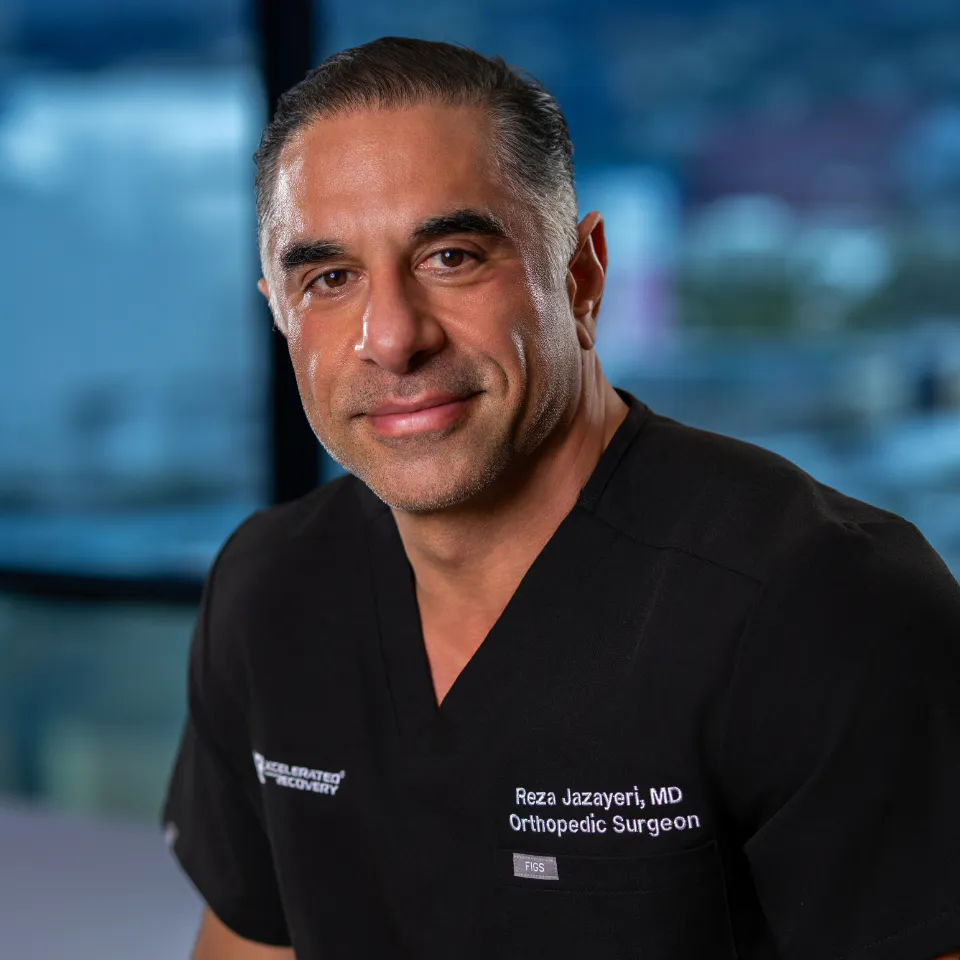
Frozen shoulder, also known as adhesive capsulitis, can make simple daily tasks feel impossible. Reaching for a shelf, putting on a jacket, or even sleeping comfortably becomes a challenge when your shoulder stiffens and hurts. Dr. Reza Jazayeri is a double board-certified orthopedic surgeon specializing in sports medicine, with clinical expertise in shoulder care.
He brings over 15 years of experience treating shoulder conditions for patients throughout the Greater Los Angeles area. His practice focuses on finding the right treatment path for your specific situation, starting with non-surgical options whenever possible.
What Is Frozen Shoulder And Its Symptoms
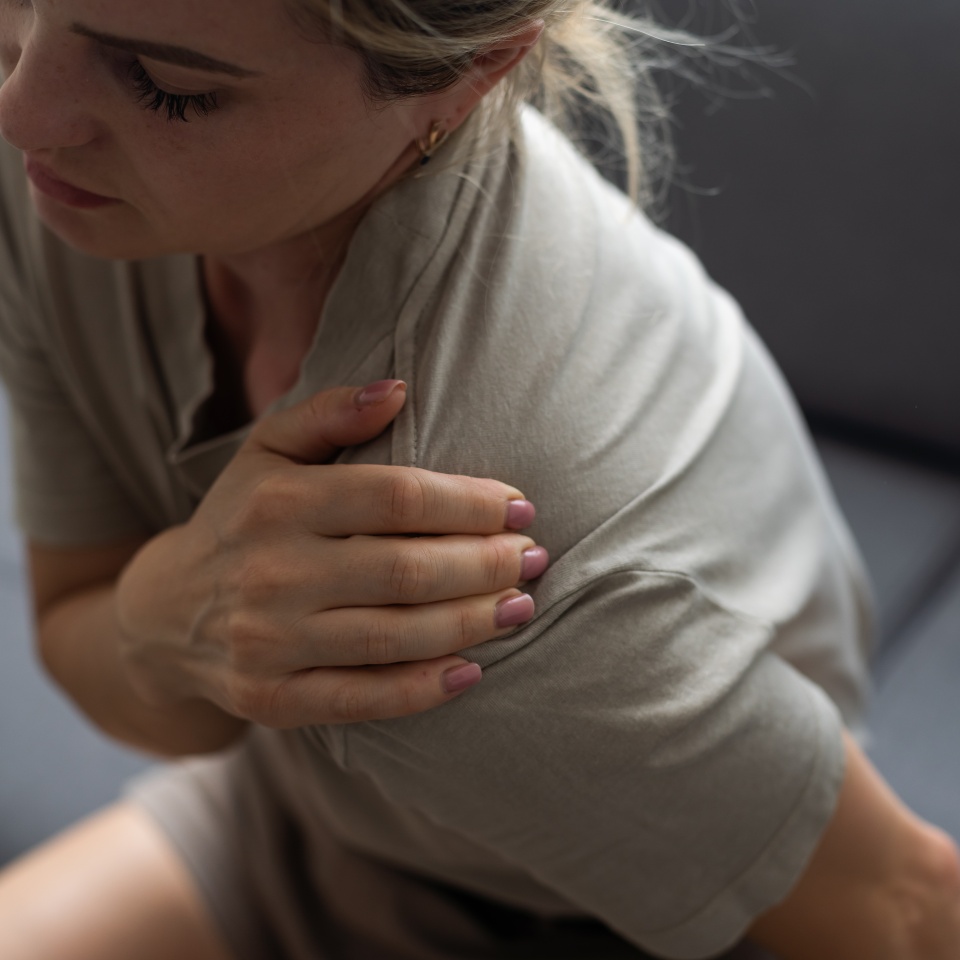
Frozen shoulder happens when the connective tissue around your shoulder joint thickens and tightens. This creates bands of scar tissue called adhesions. The result is pain and a noticeable loss of shoulder movement.
You might first notice a dull ache that gets worse at night. Over time, simple motions like lifting your arm or rotating it outward become restricted. The condition often affects adults between 40 and 60 years old.
It can appear without a clear cause or develop after an injury, surgery, or period of keeping your arm still. People with diabetes or thyroid conditions face a higher risk of developing adhesive capsulitis.
Stages Of Frozen Shoulder Explained
Frozen shoulder moves through three distinct stages, and knowing which one you are in helps guide treatment decisions. The freezing stage brings increasing pain and a steady loss of range of motion. This phase can last from six weeks to nine months.
Next comes the frozen stage, where pain may ease slightly but stiffness remains. Daily activities stay difficult during this four-to-six-month period. The final thawing stage is when movement slowly returns.
This improvement can take six months to two years. Without treatment, the full cycle sometimes stretches beyond two years. Early intervention can help shorten your recovery time.

Benefits Of Physical Therapy For Frozen Shoulder
Physical therapy is a core part of treating frozen shoulder without surgery. A structured program focuses on gentle stretching to restore range of motion and strengthening exercises to support the joint. Your therapist will teach you specific movements that target the tight capsule without forcing the shoulder past its limit.
Consistency matters more than intensity here. Doing your exercises daily at home, between supervised sessions, drives progress.
The goal is to gradually stretch the tissue while avoiding movements that spike your pain. For many patients in the Greater Los Angeles area, physical therapy combined with other treatments creates a path back to normal shoulder function.
Role Of Corticosteroid Injections In Treatment
Corticosteroid injections can reduce inflammation inside the shoulder joint, especially during the painful freezing stage. The injection delivers medicine directly to the source of discomfort. Pain relief often comes within a few days and can make physical therapy exercises easier to perform.
Some patients get enough relief from one injection to move forward with their rehab program. Others may benefit from a second injection if inflammation returns. This treatment works best as part of a broader plan.
It opens a window of opportunity to stretch and strengthen the shoulder while pain is lower. The approach is not a standalone fix but a tool that supports your overall recovery.
Hydrodilatation As A Treatment Option
Hydrodilatation, sometimes called capsular distension, is a minimally invasive procedure for frozen shoulder. A doctor injects sterile fluid into the shoulder joint under imaging guidance. The fluid expands the tight capsule and can break up early scar tissue.
The procedure takes only a few minutes in an office setting. Afterward, you can often move your shoulder more freely right away. Physical therapy typically follows to maintain and build on that new range of motion.
Hydrodilatation works well for patients who have not gotten enough relief from injections and therapy alone. It offers a middle ground between conservative care and surgical intervention.
Manipulation Under Anesthesia For Frozen Shoulder
Manipulation under anesthesia is a procedure where the shoulder is moved through its full range of motion while you are sedated. The goal is to break up tight scar tissue that limits movement. You feel no pain during the process because of the anesthesia.
After the manipulation, physical therapy begins quickly to keep the shoulder loose and prevent stiffness from returning. This option is typically considered when other treatments have not restored enough mobility.
It can be effective for patients stuck in the frozen stage who need a more direct intervention. Recovery requires commitment to the rehab plan that follows.


Exercises To Improve Shoulder Mobility
Consistent, gentle exercises are essential for recovering from frozen shoulder. A few movements commonly recommended include the pendulum swing, where you lean forward and let your arm hang down, then use your body to create small circles. The towel stretch involves holding a towel behind your back with one hand and gently pulling it upward with the other.
Finger wall walks, where you walk your fingers up a wall in front of you, help restore overhead reach. Cross-body reaches bring the affected arm across your chest using your other hand for support.
Perform each movement slowly and stop before sharp pain. These exercises work best when done several times each day.
Frequently Asked Questions About Frozen Shoulder Treatments
-
Frozen shoulder, or adhesive capsulitis, is a condition where the shoulder joint becomes stiff and painful. It often affects adults aged 40 to 60 and can develop after an injury, surgery, or even without any clear reason.
-
Treatment options include physical therapy, corticosteroid injections, and hydrodilatation. Many patients find relief through non-surgical methods before considering surgery.
-
Physical therapy focuses on gentle stretching and strengthening exercises to improve shoulder movement. A therapist will guide you through specific movements that help restore range of motion without causing pain.
-
Corticosteroid injections can reduce inflammation and provide pain relief in the shoulder joint. This can make it easier to perform physical therapy exercises and improve overall mobility.
-
Surgery is typically considered only if other treatments do not provide enough relief. Many patients successfully manage their symptoms with non-surgical options, making surgery a last resort.
Why Choose Us For Frozen Shoulder Treatment?
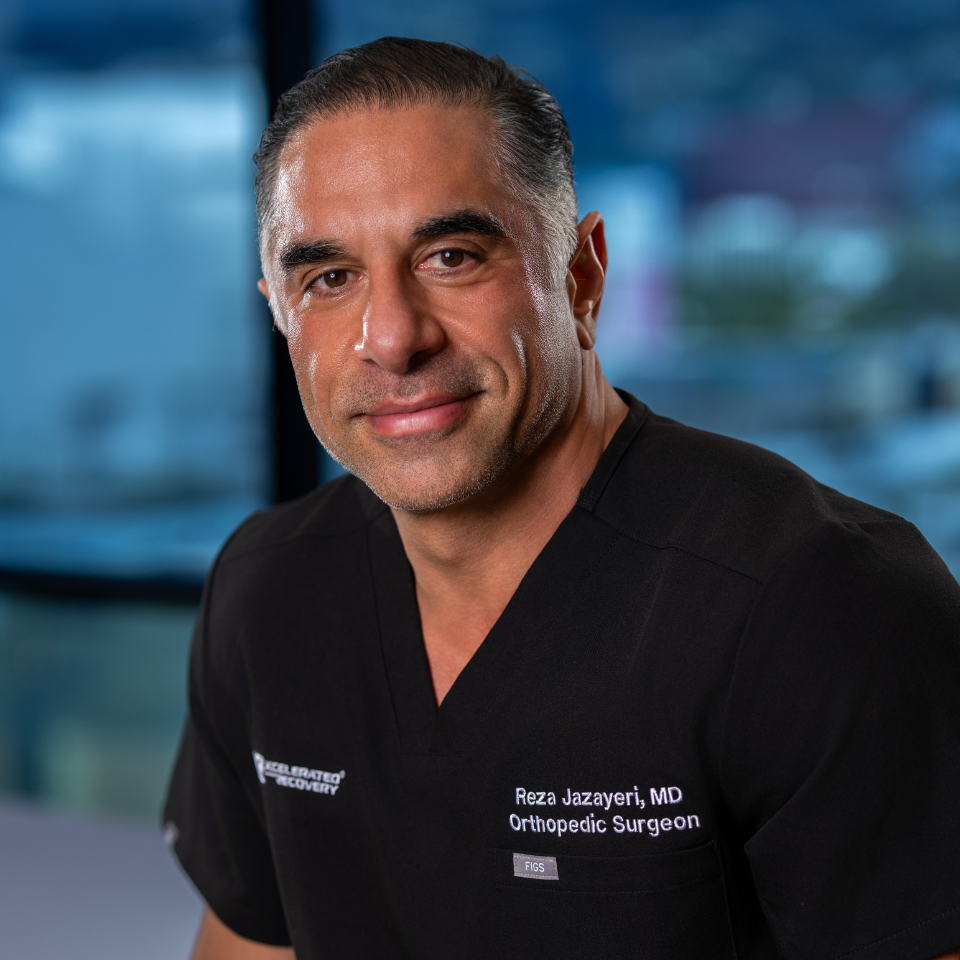
We understand how frustrating frozen shoulder can be. Dr. Reza Jazayeri is a double board-certified orthopedic surgeon specializing in sports medicine, with clinical expertise in shoulder care.
He focuses on finding the right treatment for you, starting with non-surgical options whenever possible. Our goal is to help you regain your shoulder mobility and reduce pain effectively.
We offer a range of treatments personalized to your needs. From physical therapy to corticosteroid injections, we explore all avenues to help you feel better.
Dr. Jazayeri’s expertise in sports medicine ensures you receive care that combines advanced techniques with a personal touch. We are dedicated to helping you get back to your daily activities without discomfort.
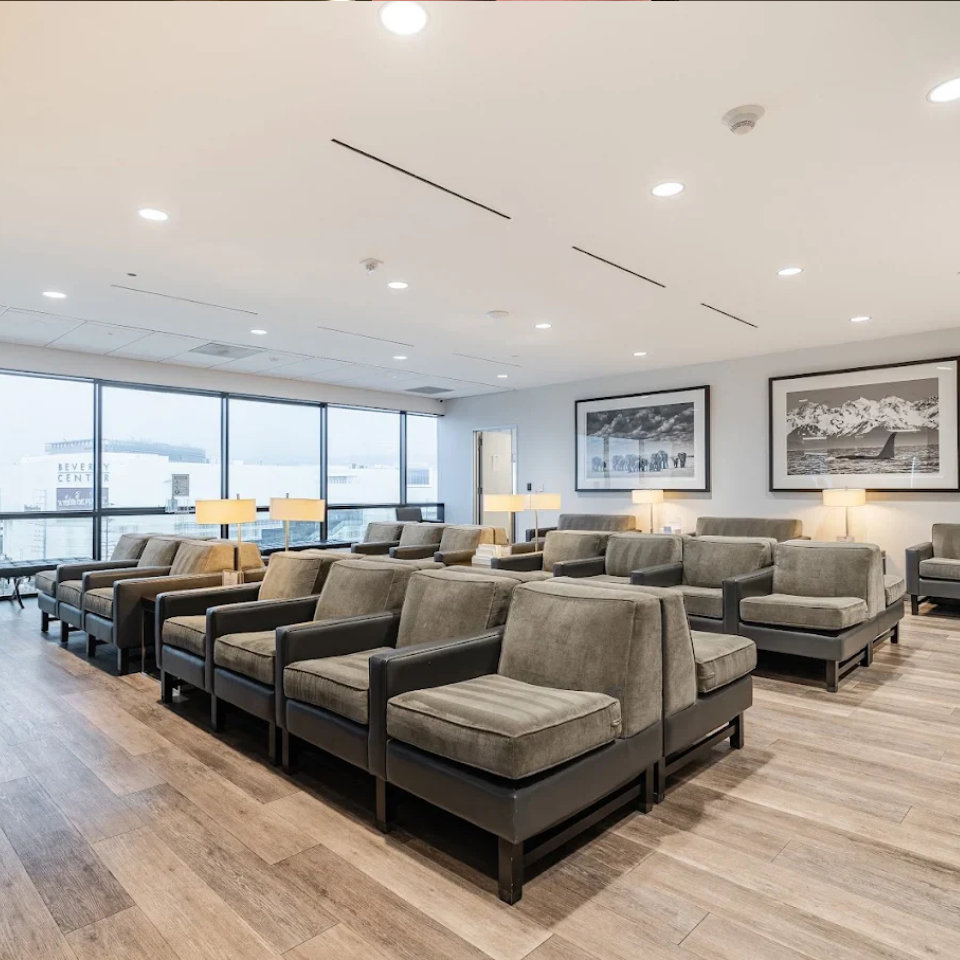
With offices in Beverly Hills, Westlake Village, and Orange, we provide convenient access for patients from Beverly Hills and surrounding communities. Whether you prefer an in-person visit or a virtual consultation, we are here to support your journey to recovery.
Meet Dr. Reza Jazayeri
Dr. Reza Jazayeri specializes in sports medicine with expertise in shoulder, knee, and elbow injuries. A Southern California native, Dr. Jazayeri combines an engineering background with elite surgical training, completing his orthopedic surgery residency at the nationally ranked NYU Hospital for Joint Diseases and a sports medicine fellowship at the renowned Kerlan-Jobe Orthopaedic Clinic.
After more than 15 years caring for patients within the Southern California Permanente Medical Group, Dr. Jazayeri joined DOCS Health to expand a practice focused on personalized orthopedic and sports medicine care and surgical excellence. As Director of Longevity at DOCS Health, he leads the development and implementation of optimization protocols and regenerative medicine strategies designed to improve long-term musculoskeletal health and extend healthspan.
His published work includes a 2026 coauthored review of nutritional optimization in spine surgery in the Journal of the American Academy of Orthopaedic Surgeons. View Dr. Jazayeri’s research publications and training.
Dr. Jazayeri is a miracle worker. After blowing out my elbow and distal bicep tendon, he moved quickly to get everything put back together. I’m pretty athletic and after seeing the extent of the damage, the doc opted for an allograft; I’m so happy that he did. It’s been about 4 months since the surgery and my range of motion and functional strength are better than they were before I injured myself. This is a top-notch Orthopedic Surgeon who specializes in sports related injuries. If you’re in need, this is your guy.
Schedule Your Consultation For Frozen Shoulder Relief
Living with shoulder stiffness and pain does not have to be your new normal. His Beverly Hills, Westlake Village, and Orange offices provide convenient access throughout the region.
Virtual consultations are also available for patients across California and beyond. As a double board-certified orthopedic surgeon with fellowship training from the Kerlan-Jobe Orthopaedic Clinic, he evaluates your shoulder. He recommends a treatment plan built around your needs. Contact us to schedule an appointment.
Medically reviewed by Reza Jazayeri, M.D. on