Biceps tendon injuries can stop you from lifting, pulling, and even turning your arm without pain. These injuries affect the strong cord-like tissue that connects your biceps muscle to the shoulder and elbow. When that connection is damaged, everyday movements become difficult.
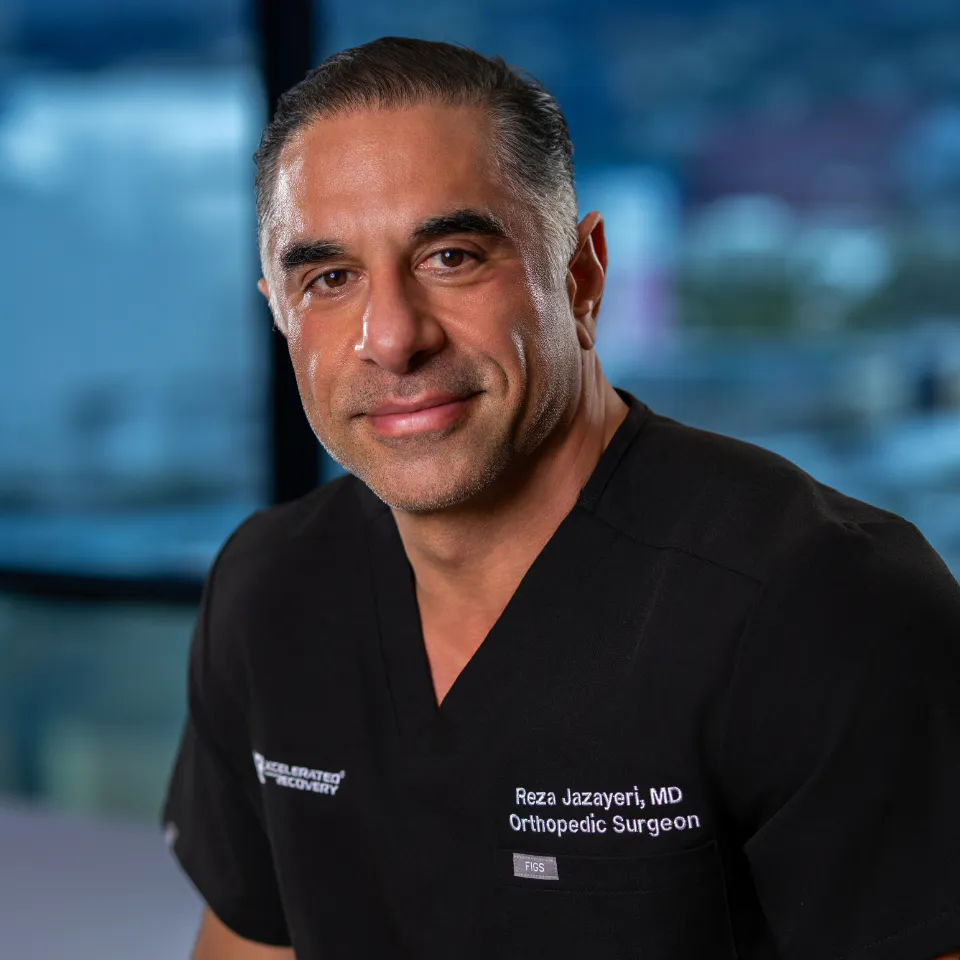
Dr. Reza Jazayeri is a double board-certified orthopedic surgeon with a sports medicine fellowship from the Kerlan-Jobe Orthopaedic Clinic in Los Angeles. He has over 15 years of experience treating biceps tendon injuries in athletes, active adults, and combat sports practitioners throughout the Greater Los Angeles area. His clinical focus on the shoulder, knee, and elbow means your care comes from a surgeon who works with these structures every day.
Symptoms Of Biceps Tendon Injuries To Recognize
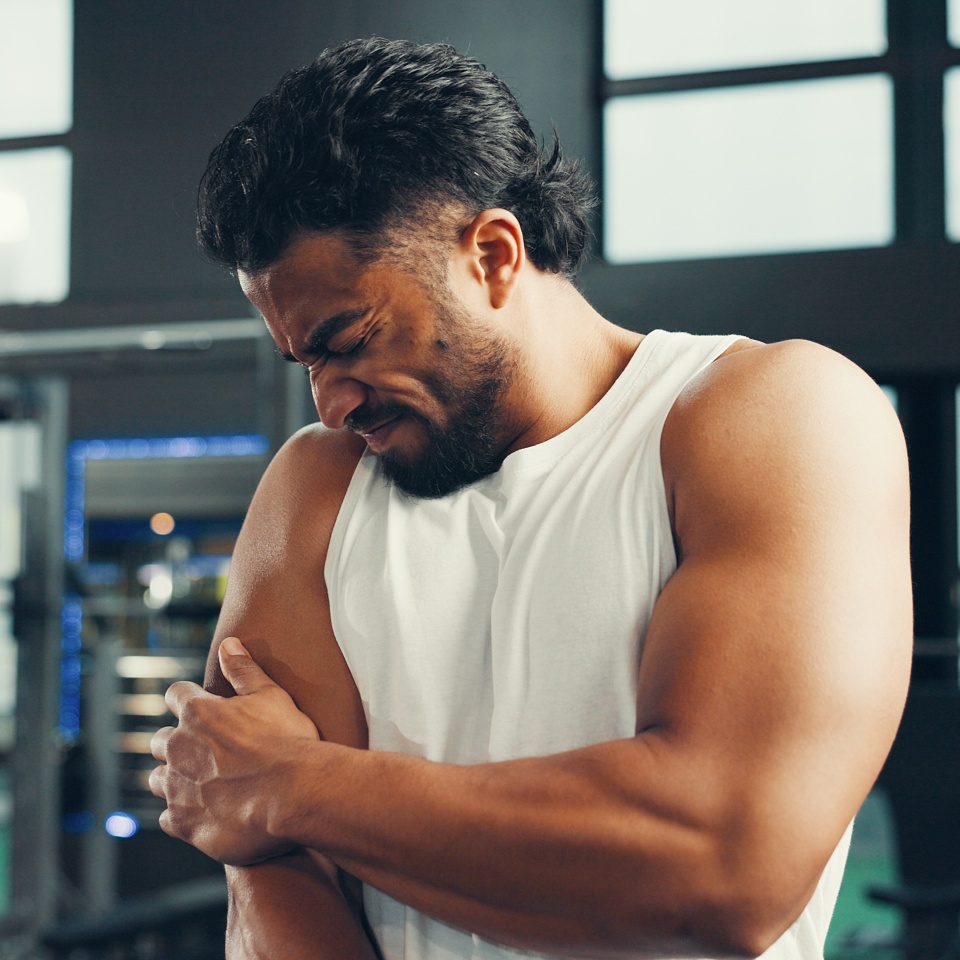
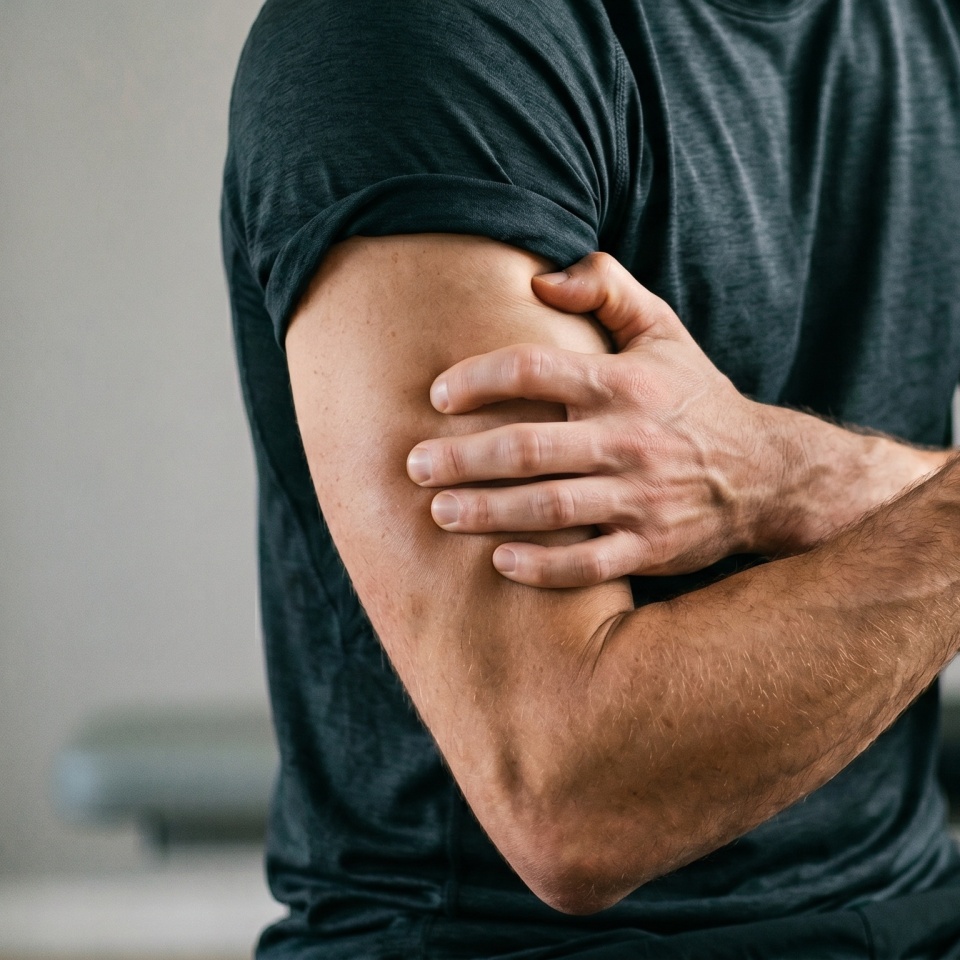
Most people notice a biceps tendon injury the moment it happens. A sudden sharp pain at the front of the shoulder or the crook of the elbow is common. You may hear a popping sound during lifting or pulling motions.
Weakness when bending the elbow or turning the palm upward often follows. Some patients see a visible bulge in the upper arm, sometimes called a Popeye sign, where the muscle bunches up after the tendon tears.
Bruising can spread from the elbow down toward the forearm within a day or two. Pain may ease after the initial injury, but weakness and arm cramping tend to persist without proper treatment.
Common Causes Of Biceps Tendon Injuries In Adults
Biceps tendon injuries usually happen one of two ways. Acute trauma occurs when a sudden heavy load overpowers the tendon, such as catching a falling object or lifting something too heavy with bent elbows. Chronic overuse develops over years of repetitive overhead motion or heavy lifting.
Middle-aged men experience distal biceps tendon ruptures more often than other groups. Smokers face a higher risk because tobacco use reduces blood flow to tendon tissue.
Certain medications, including some antibiotics and corticosteroids, may weaken tendon structure over time. Weightlifters, manual laborers, and combat sports athletes in the Greater Los Angeles area put repeated stress on these tendons during training and competition.
Diagnostic Methods For Biceps Tendon Injuries
A thorough physical exam is the first step in diagnosing biceps tendon injuries. Dr. Jaz checks for tenderness along the tendon path and tests elbow flexion and forearm supination strength against resistance. The hook test is a reliable physical exam maneuver for distal biceps ruptures.
A doctor attempts to hook a finger under the tendon near the elbow. If the tendon is absent, a complete rupture is likely. Imaging studies confirm the diagnosis and show the extent of damage.
MRI scans provide detailed views of soft tissue and help distinguish partial tears from complete ruptures. X-rays may be used to rule out bone injuries or avulsion fractures where the tendon pulls a piece of bone away.
Non-Surgical Treatment Options For Biceps Injuries
Not every biceps tendon injury needs surgery. Partial tears and some proximal tendon injuries near the shoulder may respond well to conservative care. Rest and activity modification give inflamed tissue time to calm down.
Physical therapy focuses on maintaining range of motion and strengthening surrounding muscles to compensate. Anti-inflammatory medications can help manage pain during the early healing phase. Dr. Jazayeri follows a non-surgical-first approach, exploring therapy and injections before recommending surgery.
For some patients, biologic treatments such as platelet-rich plasma injections may support the body’s natural healing response. These options work best when the tendon is not fully torn and the patient’s strength demands are moderate.
Surgical Techniques For Biceps Tendon Repair
Complete ruptures, especially at the elbow, often need surgical repair to restore full strength. Surgery works best when performed within a few weeks of the injury. Delaying too long can cause the tendon and muscle to scar and shorten, making repair more difficult.
The procedure involves reattaching the torn tendon to bone using sutures and fixation devices such as anchors, buttons, or screws. Dr. Jaz uses minimally invasive techniques whenever possible to reduce tissue disruption.
His proprietary Bio-Fertilization Technique combines biologic augmentation with precise surgical repair to support healing at the cellular level. For active adults and athletes in Los Angeles who need full arm function, surgical repair offers the most reliable path back to lifting, sports, and demanding work.
Rehabilitation Strategies After Biceps Tendon Surgery
Recovery follows a structured progression that protects the repair while gradually restoring function. The first phase involves immobilization in a splint or brace to let the tendon heal to bone. Gentle passive motion begins under supervision within the first few weeks.
Active motion starts around four to six weeks, with strengthening delayed until about three months post-surgery. Dr. Jazayeri incorporates prehabilitation before surgery, preparing the body through conditioning work that supports faster recovery afterward. His protocols include nutritional optimization with targeted supplementation based on preoperative lab testing.
This metabolic preparation is backed by his own peer-reviewed research and is a standard part of his surgical care. Most patients return to full activities within four to six months.
Factors Influencing Recovery From Biceps Tendon Injuries
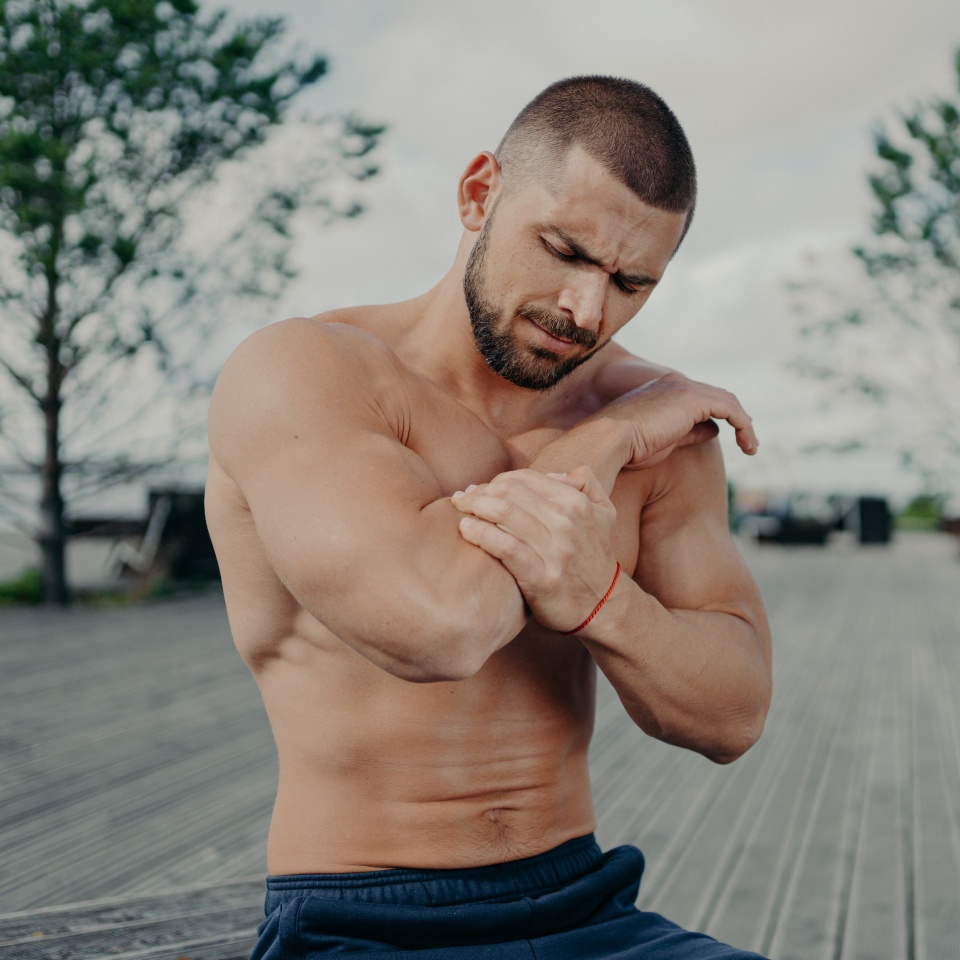
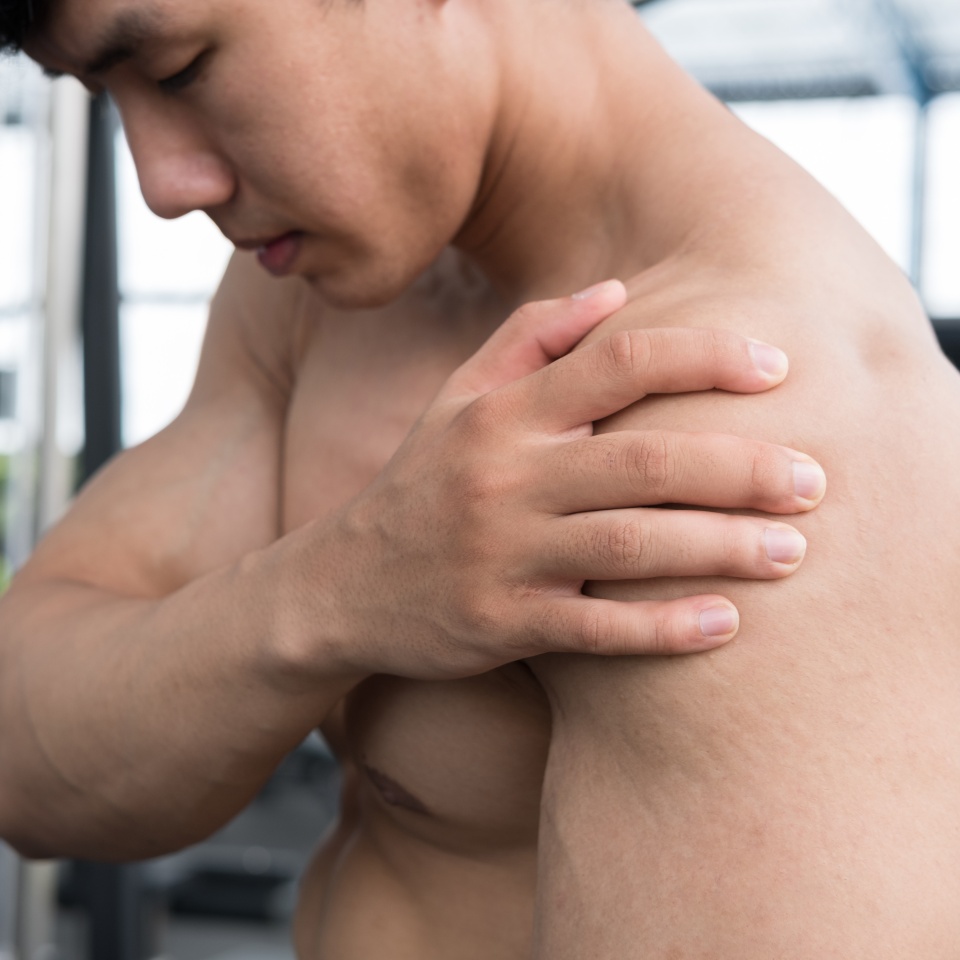
Several key factors shape how quickly and completely you recover. The timing of treatment matters most. Acute repairs done within two to four weeks typically heal better than delayed procedures.
Your age and overall health play a role. Patients who do not smoke and maintain good metabolic health tend to heal faster. Following rehabilitation instructions exactly as prescribed prevents re-injury and stiffness.
Dr. Jazayeri checks preoperative labs including vitamin D levels, inflammatory markers, and hormone status to identify and correct deficiencies before surgery. This metabolic optimization approach, combined with his structured recovery protocols, gives patients in the Greater Los Angeles area a clear framework for healing. Commitment to the full rehabilitation timeline, not just the early weeks, determines long-term strength and function.
Frequently Asked Questions
-
Common symptoms include sudden pain in the shoulder or elbow, weakness when bending the elbow, and a visible bulge in the upper arm known as the ‘Popeye sign.’ Patients may also experience bruising that spreads down the forearm and persistent weakness without treatment.
-
Biceps tendon injuries can occur due to acute trauma, like lifting something heavy, or chronic overuse from repetitive motions. Middle-aged men are more likely to experience these injuries, especially if they smoke or take certain medications that weaken tendons.
-
Non-surgical options include rest, physical therapy, and anti-inflammatory medications. For some patients, biologic treatments like platelet-rich plasma injections may help support healing, especially if the tendon is not fully torn.
-
Surgery is often needed for complete ruptures, especially at the elbow, to restore strength. It’s best to have the surgery within a few weeks of the injury to avoid complications like scarring and shortening of the tendon.
-
Rehabilitation includes a structured recovery plan that starts with immobilization and progresses to gentle motion and strengthening exercises. Following the prescribed rehabilitation timeline is crucial for a successful return to normal activities.
Why Choose Us For Biceps Tendon Injuries
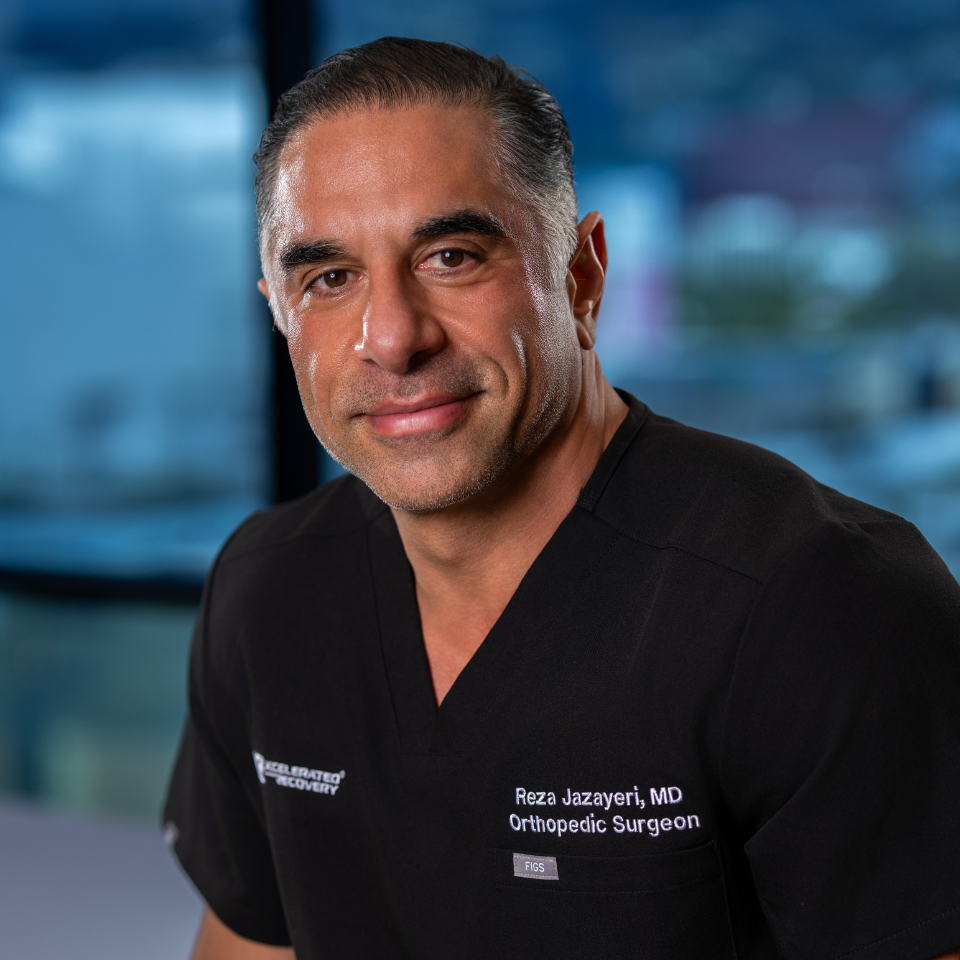
When it comes to biceps tendon injuries, you want a surgeon who knows the ins and outs of shoulder and elbow care. Dr. Reza Jazayeri is a double board-certified orthopedic surgeon specializing in sports medicine.
He has treated many athletes and active adults in the Greater Los Angeles area. His training at the Kerlan-Jobe Orthopaedic Clinic means you’re in capable hands.
Dr. Jazayeri takes a non-surgical-first approach, exploring therapy and injections before considering surgery. If surgery is needed, he uses minimally invasive techniques to help you recover faster.
His proprietary Bio-Fertilization Technique combines advanced surgical methods with a focus on healing at the cellular level. This means you get a treatment plan designed just for you, aimed at restoring your strength and function.
We prioritize your care. You’ll receive personalized attention and a clear recovery roadmap. Whether you’re lifting weights or just want to enjoy daily activities, we’re here to help you get back to what you love.
Meet Dr. Reza Jazayeri
Dr. Reza Jazayeri specializes in sports medicine with expertise in shoulder, knee, and elbow injuries. A Southern California native, Dr. Jazayeri combines an engineering background with elite surgical training, completing his orthopedic surgery residency at the nationally ranked NYU Hospital for Joint Diseases and a sports medicine fellowship at the renowned Kerlan-Jobe Orthopaedic Clinic.
After more than 15 years caring for patients within the Southern California Permanente Medical Group, Dr. Jazayeri joined DOCS Health to expand a practice focused on personalized orthopedic and sports medicine care and surgical excellence. As Director of Longevity at DOCS Health, he leads the development and implementation of optimization protocols and regenerative medicine strategies designed to improve long-term musculoskeletal health and extend healthspan.
His published work includes a 2026 coauthored review of nutritional optimization in spine surgery in the Journal of the American Academy of Orthopaedic Surgeons. View Dr. Jazayeri’s research publications and training.
Dr Jazayeri, first, repaired a torn rotator cuff. I reinjured my shoulder several years later, and he performed a shoulder replacement. I went home the same day as the surgery, I have full range of motion, and I needed next to no pain meds. He’s the best and very well known as such in the Ventura area.
Schedule Your Consultation With Dr. Reza Jazayeri Today
If a biceps tendon injury is limiting your ability to work, train, or enjoy daily life, you need a clear diagnosis and a practical treatment plan. Dr. Jazayeri brings double board certification in orthopedic surgery and sports medicine, along with fellowship training at the Kerlan-Jobe Orthopaedic Clinic in Los Angeles, to every patient he treats. His practice serves the Greater Los Angeles area with locations in Beverly Hills, Westlake Village, and Orange.
Virtual consultations are available for patients across California and beyond. Take the first step toward restoring your arm strength and function. Schedule your evaluation for biceps tendon injuries with Dr. Jazayeri today.
Medically reviewed by Reza Jazayeri, M.D. on