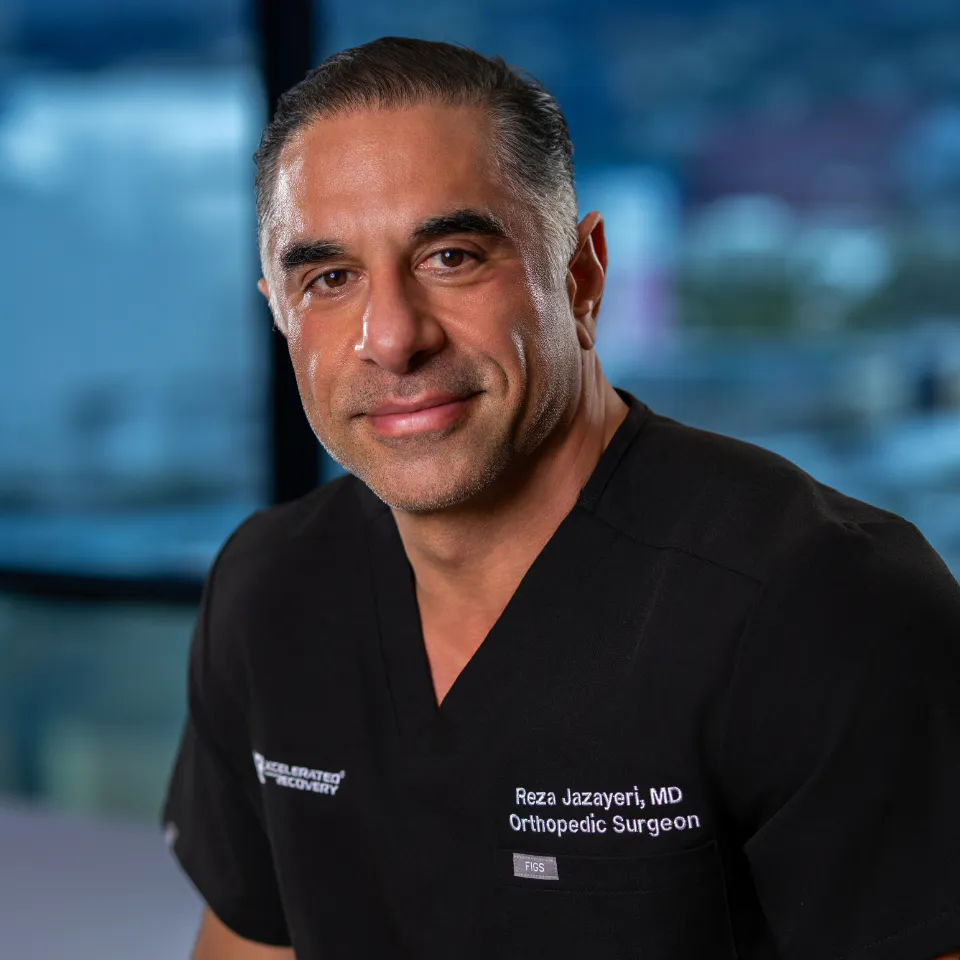
ACL tears can sideline you from the activities you love. The right treatment path depends on the severity of your injury, your activity goals, and your overall health. Dr. Reza Jazayeri is a double board-certified orthopedic surgeon specializing in sports medicine, with clinical expertise in shoulder, knee, and elbow care.
He completed his fellowship at the Kerlan-Jobe Orthopaedic Clinic in Los Angeles. He brings over 15 years of experience treating knee injuries in athletes and active adults throughout the Greater Los Angeles area, with offices in Beverly Hills, Westlake Village, and Orange. His approach starts with a thorough evaluation and a clear discussion of every option available to you.
What Are Common Types Of ACL Tears
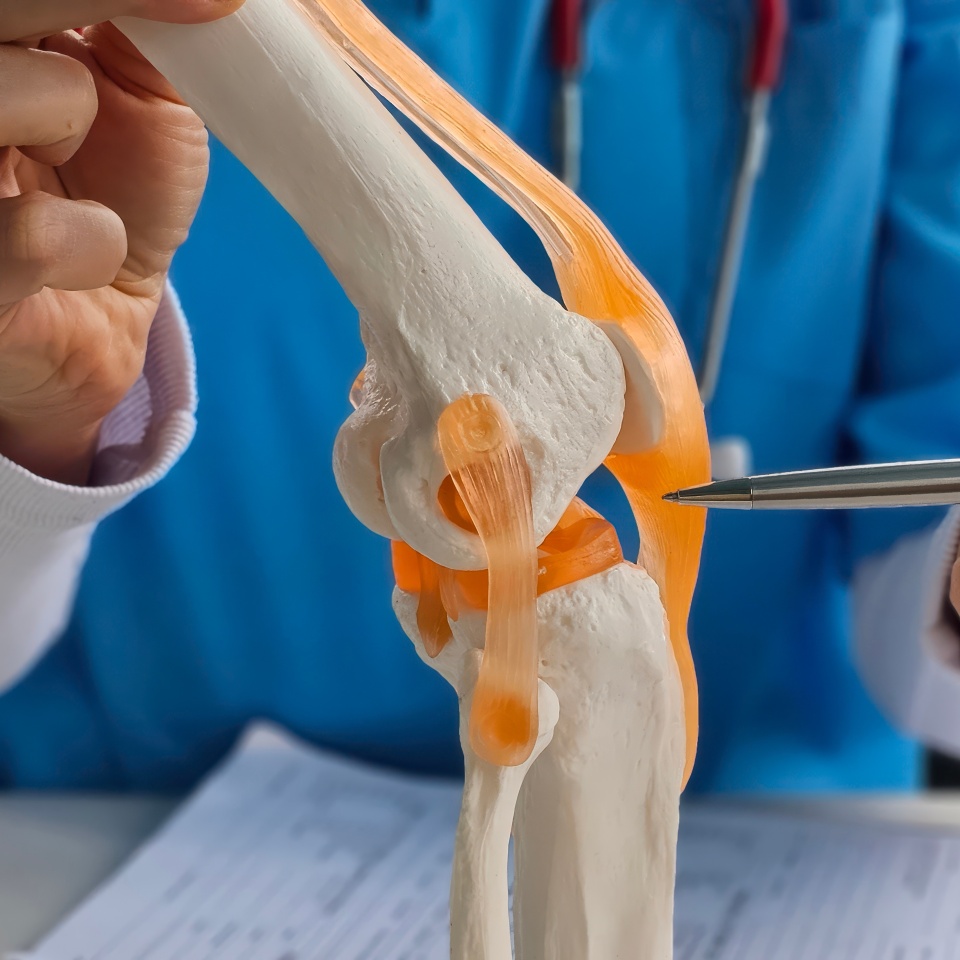
ACL tears fall into three grades based on how much damage the ligament has sustained. A Grade 1 tear means the ligament is stretched and has microscopic damage but still keeps the knee stable. Grade 2 is a partial tear where the ligament is loose and partially disrupted.
Grade 3 is a complete rupture. The ligament has torn into two pieces and the knee loses its normal stability.
Most Grade 3 tears do not heal on their own without surgery. Knowing the grade of your tear is the first step in building a treatment plan that fits your life and your goals for returning to activity.
Signs And Symptoms Of ACL Injuries
Most people hear or feel a pop in the knee at the moment of injury, that sound is often followed by rapid swelling within the first few hours. Pain is common, but some people can still walk carefully after the injury. The knee may feel unstable or like it might give way when you try to pivot or change direction.
You might also lose your full range of motion. If you notice these signs, getting an evaluation quickly can help you avoid further damage to the cartilage or other structures inside the knee.
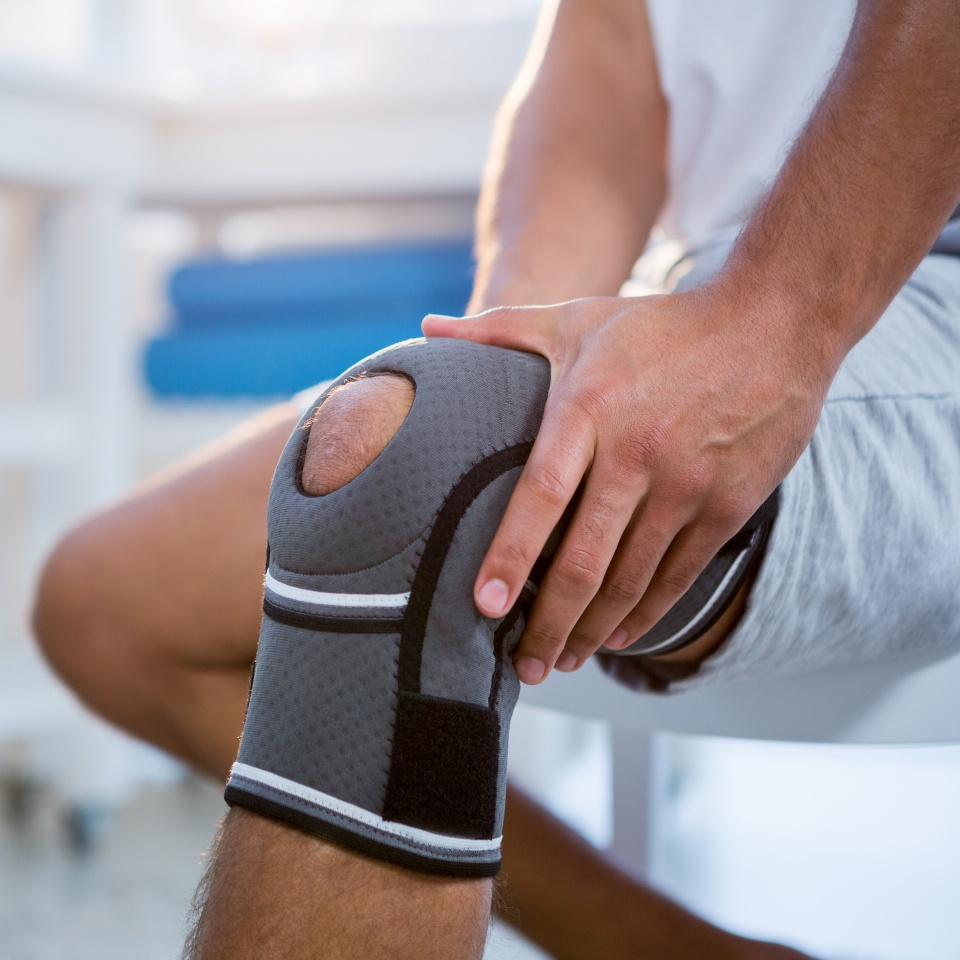
Non-Surgical Treatments For ACL Tears
Non-Operative Management (for Partial or Low-Grade Tears)
Some partial ACL tears—especially low-grade or functionally stable injuries—may not require surgery. Select patients may benefit from a comprehensive non-operative treatment plan, which includes:
- Tailored physical therapy
- ACL specific knee bracing
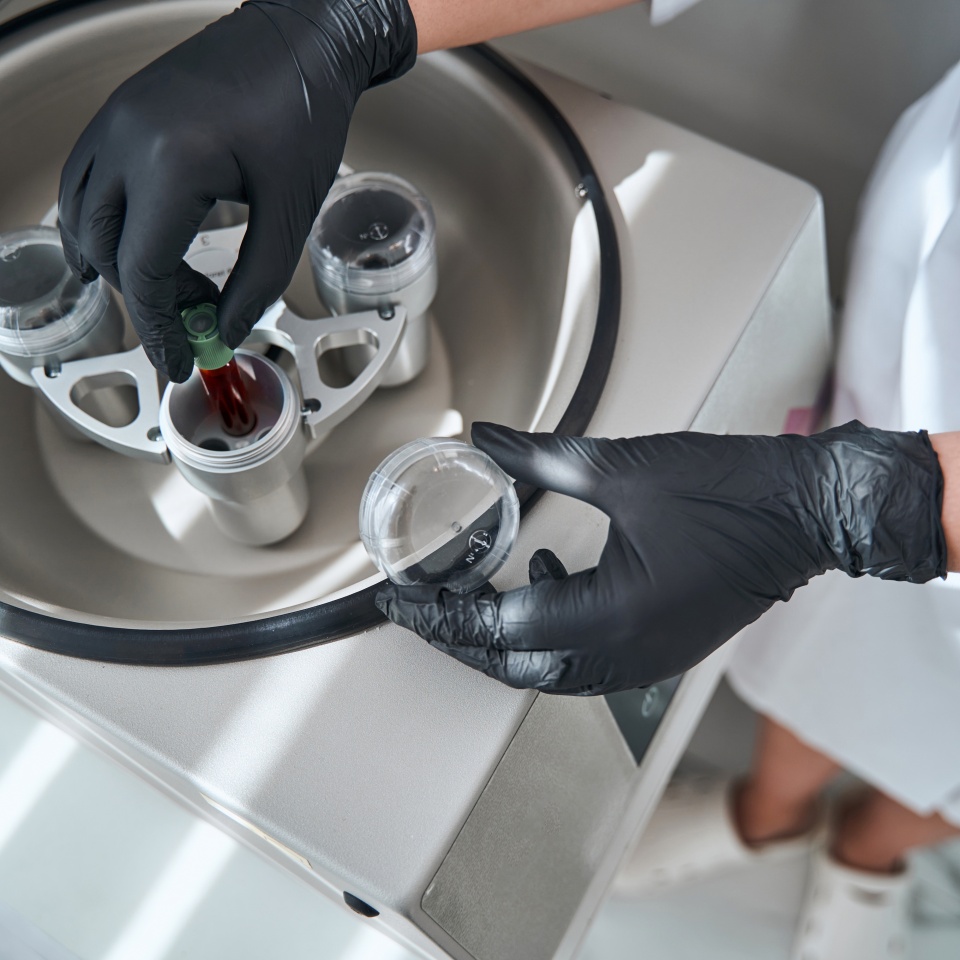
- Orthobiologic therapy using Bone Marrow Aspirate Concentrate (BMAC), derived from the patient’s iliac crest, which provides mesenchymal stem cells to support biologic healing
This approach is ideal for those who maintain good functional stability and are motivated to engage in a structured rehabilitation program.
ACL Repair (When Feasible)
For ACL tears located near the ligament’s bony attachment (proximal), where the tissue is most amenable to healing, ACL repair is a viable option that preserves the native ligament.
Key Benefits of ACL Repair:
- Maintains your natural ligament, preserving proprioceptive fibers
- No need for graft harvesting (reduces donor site pain)
- Avoids full bone tunnel drilling
- Less postoperative pain
- Faster recovery (return to sport in ~6 months)
Mechanical and Biologic Augmentation of ACL Repair:
Mechanical Support Options:
- Internal Brace: A suture tape reinforcement that acts like a seatbelt for the healing ligament
- BioBrace™: A collagen scaffold that provides mechanical load sharing while encouraging native tissue regeneration
Biologic Support Options:
- BMAC (Bone Marrow Aspirate Concentrate): Autologous stem cells and growth factors harvested from the pelvis to accelerate ligament healing.
- BEAR® Implant (Bridge-Enhanced ACL Repair): A collagen scaffold that bridges the torn ends of the ACL, using the patient’s blood to promote biologic healing, best for proximal tears
- Allograft augmentation: May be considered as a biologic scaffold in select cases.
All these options are discussed with the patient in a shared decision-making process, ensuring the plan is aligned with the individual’s goals, activity level, and expectations.
ACL Reconstruction (Gold Standard)
For complete ACL tears, midsubstance ruptures, or tissue that is not repairable, ACL reconstruction remains the gold standard, especially in young, active individuals and athletes.
Dr. Jazayeri’s “All-Inside” Minimally Invasive ACL Reconstruction Technique:
- Utilizes precisely placed anatomic sockets within the native ACL footprint, preserving native bone and maximizing proprioception
- Avoids traditional full tunnel drilling, resulting in:
- Less postoperative pain
- Bone preservation
- Improved graft placement and function
- Performed using small arthroscopic incisions with a focus on minimally invasive surgery
Augmentation for ACL Reconstruction:
Internal Brace and BioBrace™ can be added for enhanced mechanical support and biologic healing.
In high-risk cases (e.g., athletes, revisions), BMAC may be used to enhance graft incorporation and healing at the bone-ligament interface.
Graft Options:
- Autografts (preferred for patients under 35 and athletes)
- Quadriceps tendon (Dr. Jazayeri’s graft of choice)
- Patellar tendon
- Hamstring tendon
- Allografts (cadaver tissue; considered for patients >35 or lower-demand patients)
Autografts have consistently shown lower retear rates in younger, athletic populations. Dr. Jazayeri favors the quadriceps tendon autograft, taken via a minimally invasive arthroscopically assisted 3cm incision from the operative leg.
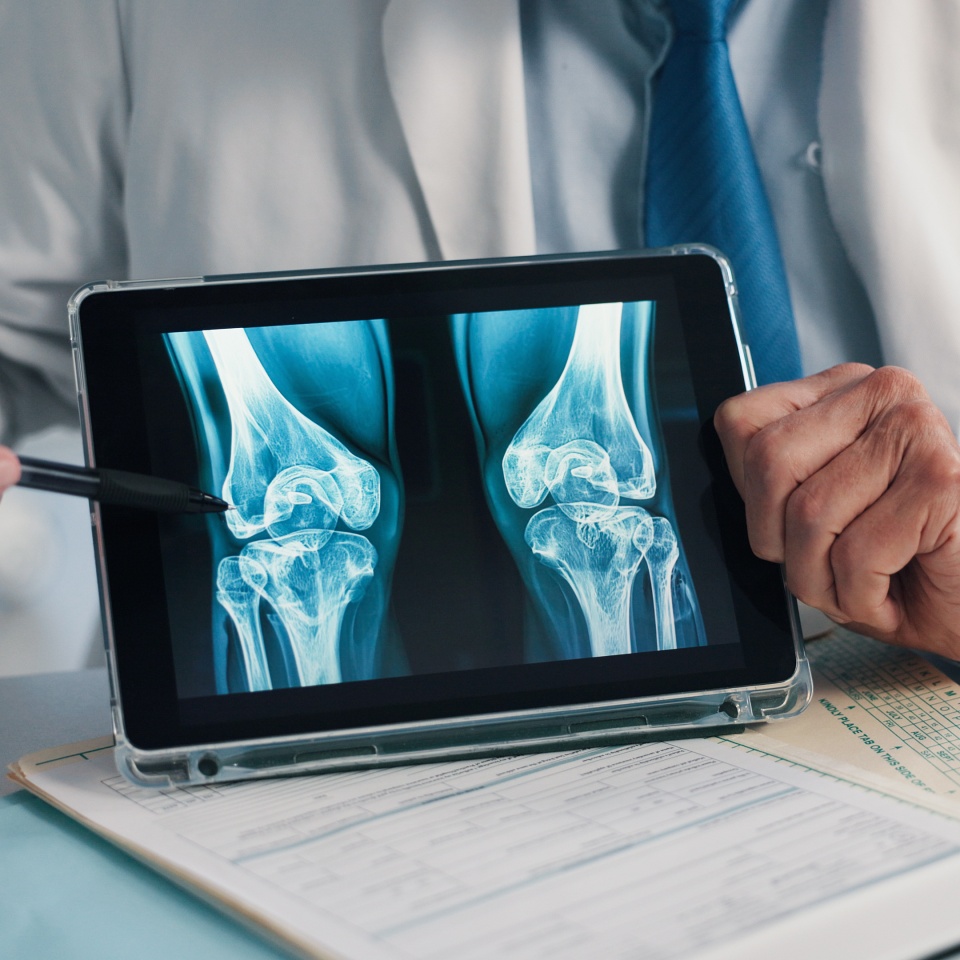
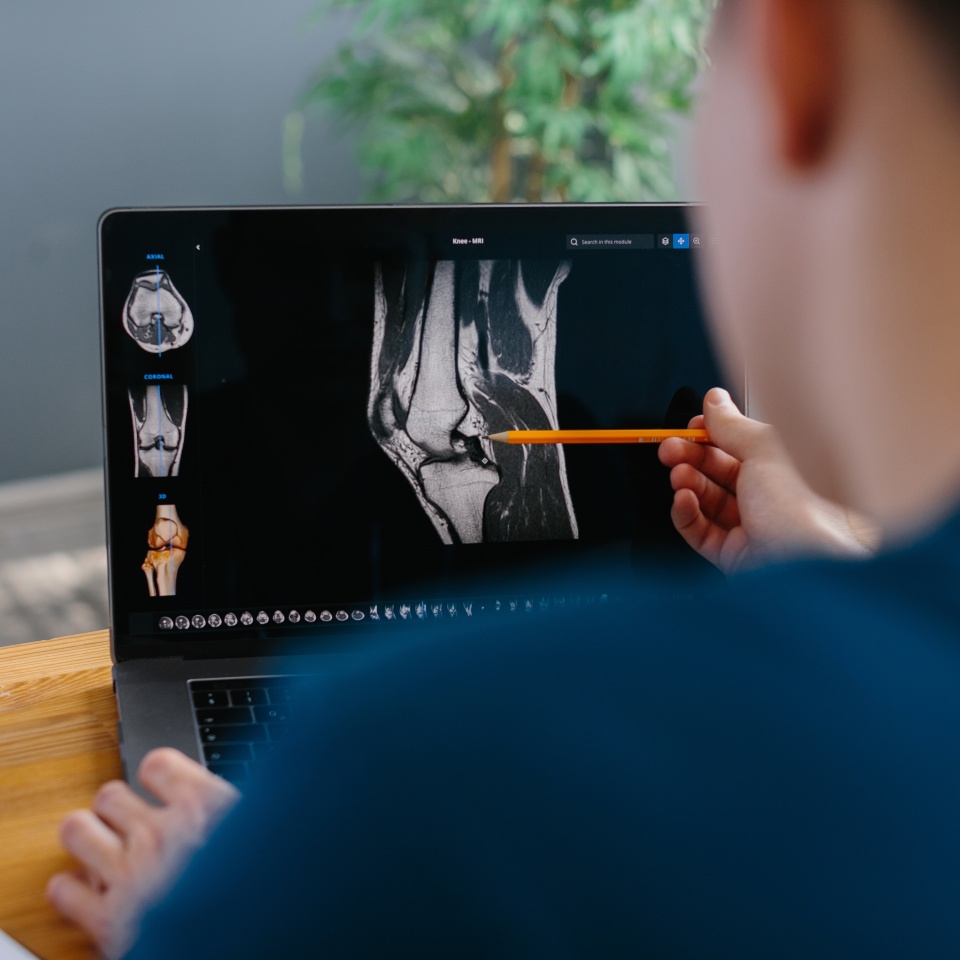
Lateral Extra-Articular Tenodesis (LET):
In select patients, Dr. Jazayeri may perform a LET, a procedure that enhances rotational knee stability by using part of the iliotibial band (ITB) to reinforce the ACL.
Ideal Candidates for LET:
- High-level cutting or pivoting athletes
Individuals at high risk of retear (e.g., young athletes, hyperlaxity) - Revision ACL cases
- ACL Repair
Benefits:
- Additional “seatbelt” protection for the ACL
- Performed through a small incision (~5cm)
- Does not delay recovery time
- Highly effective in reducing re-injury rates
Recovery Timeline After ACL Surgery
Recovery follows a phased progression that typically spans six to twelve months. The first phase focuses on controlling swelling and restoring full extension. By two – three weeks, most patients walk without crutches and begin more active strengthening.
Around three to four months, you may start light jogging if your strength and mechanics check out. Return to pivoting and cutting sports usually happens after 7 months, with full clearance often coming at nine to twelve months. Dr. Jazayeri uses preoperative lab testing to check markers like Vitamin D and inflammatory status, then addresses any deficiencies to support your recovery from day one.
Bio-Fertilization™ Technique: Biologically Optimized ACL
A modern, comprehensive protocol to enhance outcomes and accelerate return to play. Bio-Fertilization™ includes:
Preoperative Optimization
- Metabolic evaluation with blood markers
- Prehabilitation exercises
- Personalized dietary planning
- Targeted amino acid supplementation
Surgical Precision
- Ligament repair or reconstruction using an all-inside technique
- Use of biologic and mechanical augmentation (BioACL, BioBrace, BMAC, Internal Brace)
- Bio ACL
Postoperative Recovery
- Personalized rehabilitation protocols initiated immediately post-op
- Integration of MyHealthTrack, a digital rehab platform
- In-person physical therapy customized to your tear pattern, graft type, and intraoperative findings
ACL RECONSTRUCTION POST OPERATIVE PATIENT INSTRUCTIONS CLICK HERE
Frequently Asked Questions About ACL Tears
-
Treatment for ACL tears varies based on the severity of the injury. Non-surgical options like physical therapy and activity modification work well for Grade 1 and some Grade 2 tears. Grade 3 tears often require surgical intervention, such as ACL reconstruction or primary repair.
-
Recovery from ACL surgery typically takes six to twelve months. The timeline includes phases for controlling swelling, restoring motion, and gradually returning to activities like jogging and sports.
-
The BEAR Implant is a treatment option for certain ACL tears that allows the ligament to heal without using a graft. It uses the patient’s own blood to create a clot that serves as a scaffold for healing, but not all tears are suitable for this method.
-
Yes, physical therapy is essential for recovery, whether surgery is performed or not. It helps regain strength, improve balance, and teach the knee to rely on muscle control for stability.
-
Choosing between surgical and non-surgical options depends on the tear’s severity, your activity level, and overall health. Consulting with an orthopedic specialist like Dr. Jazayeri can help you understand the best path for your specific situation.
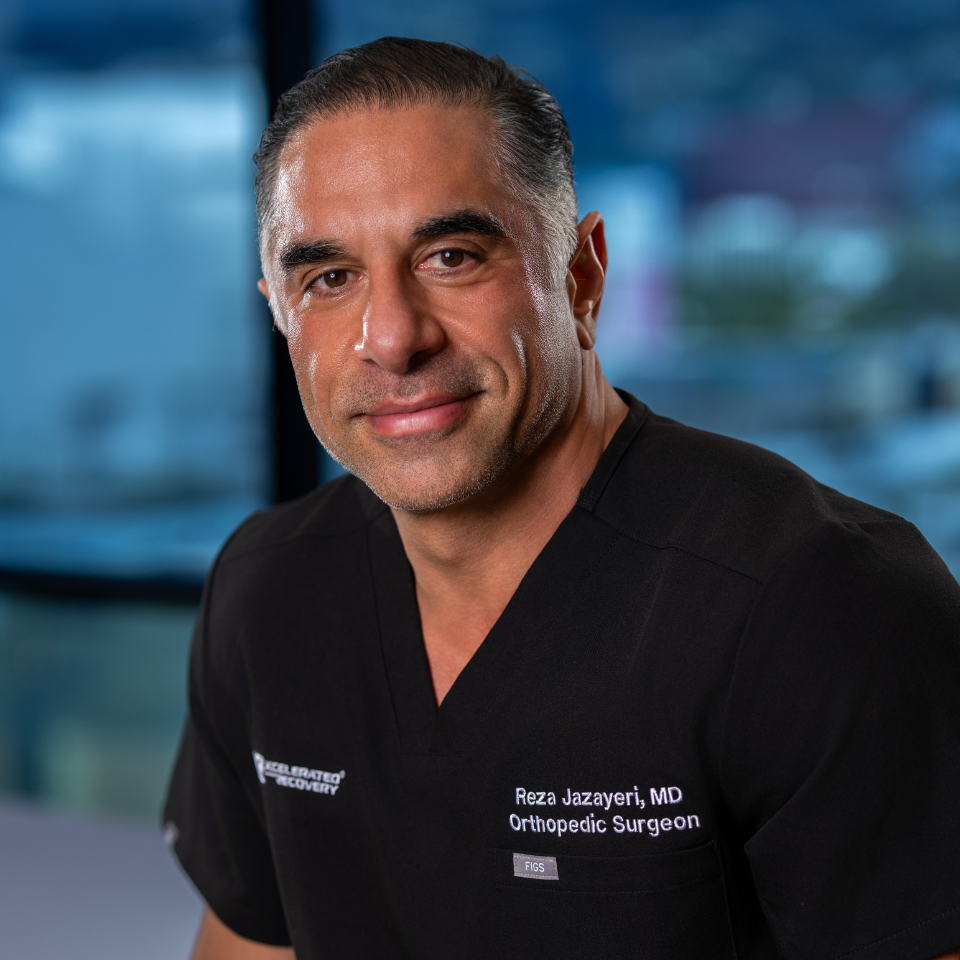
Why Choose Dr. Jaz For ACL Tear Treatment?
When it comes to ACL tears, you want a doctor who understands your needs. Dr. Reza Jazayeri is a double board-certified orthopedic surgeon with over 15 years of experience.
He specializes in sports medicine and has treated many athletes and active adults in the Greater Los Angeles area. His training at the Kerlan-Jobe Orthopaedic Clinic means he’s well-equipped to handle your injury.
Dr. Jaz believes in exploring non-surgical options first. For many patients with Grade 1 and 2 tears, he recommends physical therapy and activity modifications. If surgery is needed, he uses advanced techniques for ACL reconstruction.
This approach focuses on biologic support to enhance healing. You can trust that he will provide personalized care based on your specific situation.
Dr. Jazayeri’s commitment to patient education ensures you’ll understand every step of your treatment. Whether you’re in Los Angeles or nearby, he’s here to help you get back to the activities you love.
Meet Dr. Reza Jazayeri
Dr. Reza Jazayeri specializes in sports medicine with expertise in shoulder, knee, and elbow injuries. A Southern California native, Dr. Jazayeri combines an engineering background with elite surgical training, completing his orthopedic surgery residency at the nationally ranked NYU Hospital for Joint Diseases and a sports medicine fellowship at the renowned Kerlan-Jobe Orthopaedic Clinic.
After more than 15 years caring for patients within the Southern California Permanente Medical Group, Dr. Jazayeri joined DOCS Health to expand a practice focused on personalized orthopedic and sports medicine care and surgical excellence. As Director of Longevity at DOCS Health, he leads the development and implementation of optimization protocols and regenerative medicine strategies designed to improve long-term musculoskeletal health and extend healthspan.
His published work includes a 2026 coauthored review of nutritional optimization in spine surgery in the Journal of the American Academy of Orthopaedic Surgeons. View Dr. Jazayeri’s research publications and training.
I am a hairdresser and I couldn’t work for the past 2 years. I saw Dr. Jayazeri and he did my shoulder replacement surgery. It was the best experience I’ve ever had. He is an amazing surgeon and human being. Now 5 weeks after my surgery, I’m back at work! I highly recommend Dr. Jazayeri.
What Happens Next?
Whether you’re a high school athlete, weekend warrior, or professional competitor, Dr. Jazayeri will guide you through your options using a personalized, evidence-based, and patient-first approach. You’ll receive a plan tailored to your anatomy, sport, goals, and injury characteristics.
Key Takeaways:
- ACL reconstruction remains the most common and effective solution for complete ACL tears.
- ACL repair, when feasible, offers an exciting option for certain tear patterns—especially when biologically and mechanically augmented.
- Non-operative strategies may be appropriate for select partial tears, especially when supported by orthobiologics.
- Advanced augmentation techniques (BioBrace, BEAR, Internal Brace, BMAC) are enhancing outcomes across the board.
- Dr. Jazayeri ensures every patient is metabolically, surgically, and rehabilitatively optimized for the best possible recovery.
Consult With Dr. Reza Jazayeri For Personalized Care
Choosing the right treatment for ACL tears starts with a careful, one-on-one evaluation. Virtual consultations are also available for patients throughout California and beyond.
With fellowship training from the Kerlan-Jobe Orthopaedic Clinic and over 15 years of experience treating athletes and active adults, he can walk you through every option and help you decide on a plan that matches your goals. Schedule your consultation today and take the first step toward getting back to the activities that matter to you.
Medically reviewed by Reza Jazayeri, M.D. on