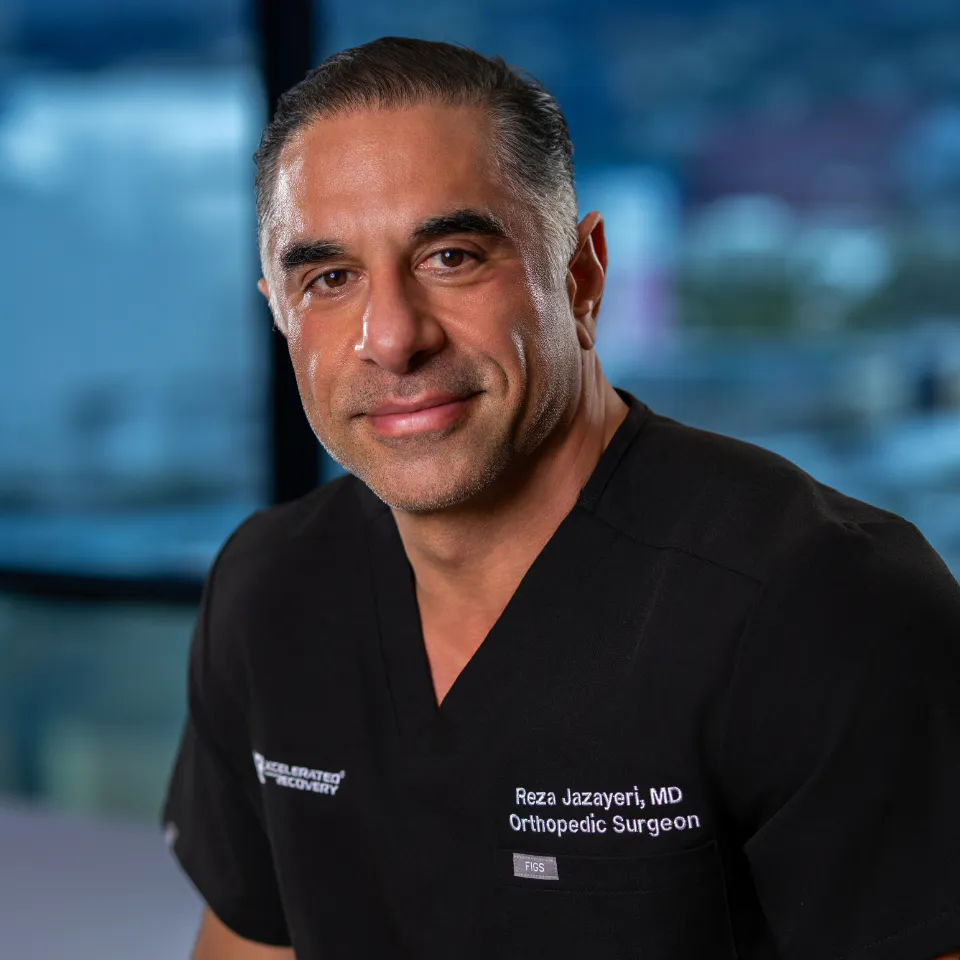
When you injure the ulnar collateral ligament in your elbow, finding the right care becomes your top priority. A UCL injury, often called a Tommy John injury, can sideline athletes and disrupt daily life. Dr. Reza Jazayeri is a double board-certified orthopedic surgeon specializing in sports medicine, with clinical expertise in shoulder, knee, and elbow care.
He completed his sports medicine fellowship at the Kerlan-Jobe Orthopaedic Clinic in Los Angeles. He also completed his orthopedic surgery residency at NYU Hospital for Joint Diseases. His practice, with offices in Beverly Hills, Westlake Village, and Orange, serves patients throughout the Greater Los Angeles area with a non-surgical-first approach to elbow injuries.
What Is A UCL Injury And Its Symptoms
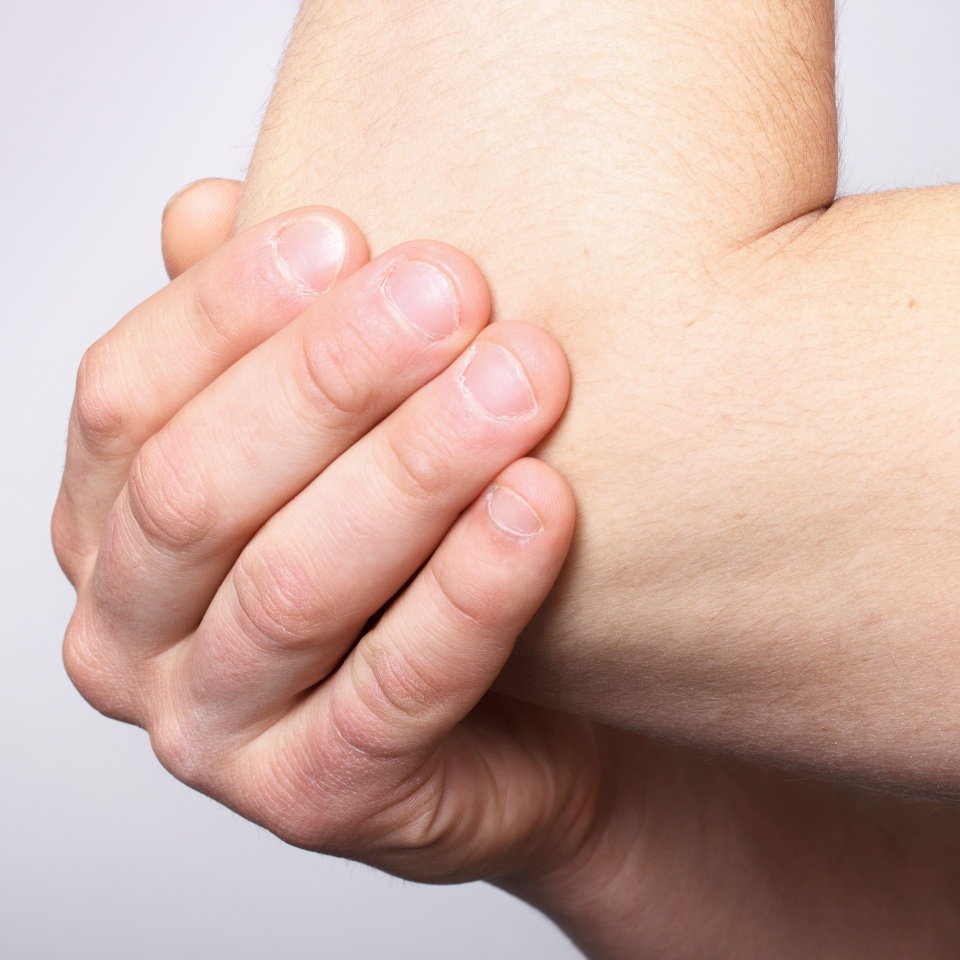
The ulnar collateral ligament is a strong band of tissue on the inner side of your elbow. It connects the upper arm bone to the forearm bone and keeps the elbow stable during throwing motions. A UCL injury happens when this ligament stretches, frays, or tears.
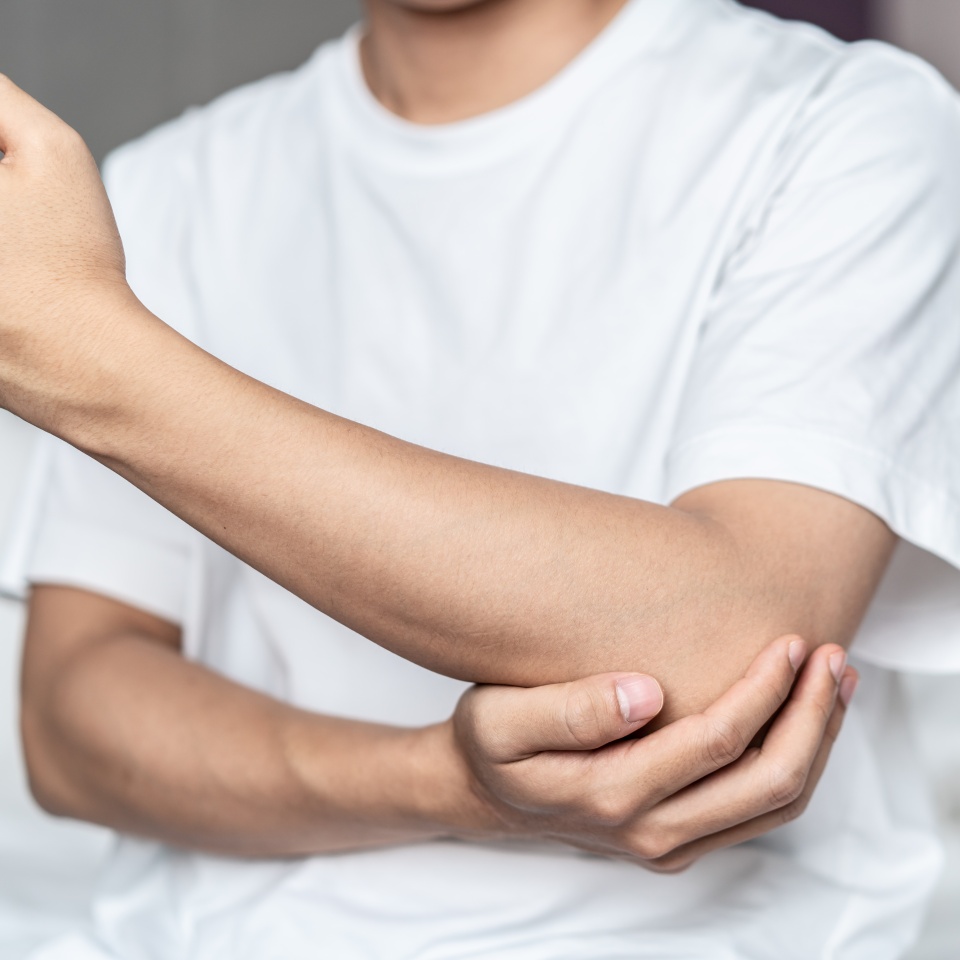
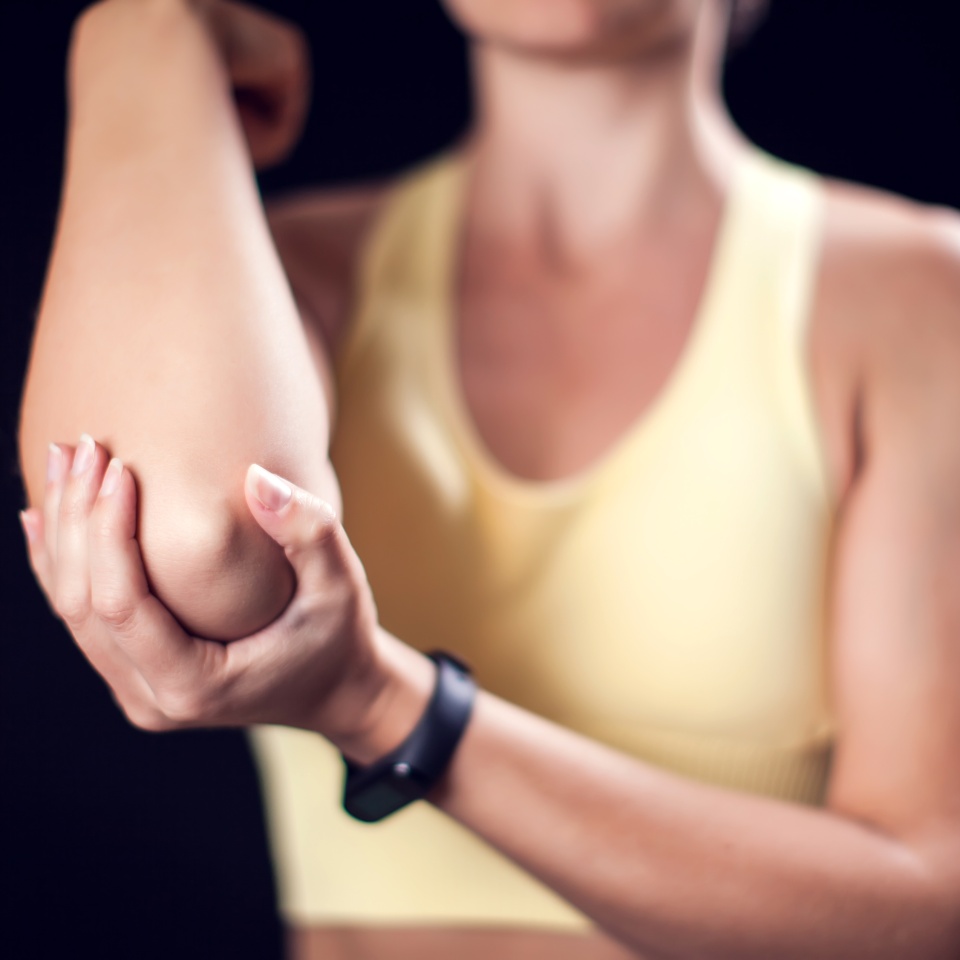
You may feel pain on the inside of the elbow, especially when throwing or lifting. Some people notice swelling, numbness in the ring and pinky fingers, or a popping sensation at the time of injury.
You might also feel like your elbow is loose or unstable during certain movements. These symptoms often get worse with continued activity and better with rest.
Common Causes Of UCL Injuries In Athletes
Overhead athletes face the highest risk for UCL injuries. Baseball pitchers put extreme stress on the ligament with every throw, particularly during the late cocking and acceleration phases. Tennis players, javelin throwers, and football quarterbacks also strain this ligament repeatedly.
The injury usually develops over time from repetitive microtrauma rather than a single event. Poor throwing mechanics, overuse without adequate rest, and pitching while fatigued all increase your risk.
Athletes who play year-round without an off-season are especially vulnerable. Even weightlifters and gymnasts can damage the UCL when they place heavy loads on an extended arm.

Non-Surgical Treatments For UCL Injuries
Many partial UCL tears respond well to conservative care. Dr. Jazayeri follows a non-surgical-first approach, exploring therapy and injections before considering surgery. Your treatment plan may start with a period of rest and activity modification to let the ligament heal.
Anti-inflammatory medications can help manage pain and swelling in the early stages. Platelet-rich plasma injections may support the body’s natural healing process for partial tears.
Bracing can protect the ligament while you gradually return to activity. The decision between surgical and non-surgical care depends on the tear severity, your sport, your position, and your long-term goals.
Physical Therapy Techniques For UCL Rehabilitation
Physical therapy forms the foundation of UCL injury recovery, whether you have surgery or not. Your program typically begins with gentle range-of-motion exercises to prevent stiffness. As healing progresses, you will add strengthening work for the forearm, wrist, and shoulder muscles.
Therapists often use manual techniques to improve tissue mobility around the elbow joint. Modalities like ultrasound or electrical stimulation may help with pain control early on.
The later phases focus on sport-specific drills and a gradual throwing program. Dr. Jazayeri coordinates closely with physical therapists throughout the Greater Los Angeles area to monitor your progress and adjust your plan.
Tommy John Surgery Overview And Procedure
When the UCL is completely torn or non-surgical care does not provide enough stability, Tommy John surgery becomes an option. This procedure reconstructs the damaged ligament using a tendon graft, typically taken from your own forearm or hamstring. Dr. Jaz performs this surgery with minimally invasive techniques to reduce tissue disruption.
The graft is threaded through tunnels drilled in the upper arm and forearm bones, recreating the ligament’s natural path. His approach includes biologic augmentation and metabolic optimization as part of his Bio-Fertilization Technique.
This surgical framework supports the body’s healing environment around the new graft. The procedure takes about 60 to 90 minutes and is performed in the Greater Los Angeles area.
Recovery Timeline After Tommy John Surgery
Recovery from Tommy John surgery follows a structured timeline that typically spans 9 to 12 months. The first phase involves splinting and protecting the elbow while early healing occurs. Around week two, you begin gentle range-of-motion exercises under supervision.
Strengthening work starts around weeks 6 to 8, focusing first on the shoulder and wrist before progressing to the elbow. A structured throwing program usually begins around month 4 or 5, starting with short tosses at low intensity.
Return to full competition generally happens between months 9 and 12, though some athletes need longer. Dr. Jazayeri uses preoperative lab testing and targeted supplementation to support your recovery from the start.
Rehabilitation Exercises For UCL Injury Recovery
Your rehabilitation program includes exercises that rebuild strength without stressing the healing ligament. Early exercises focus on grip strength using putty or soft balls. Wrist curls and extensions with light resistance help maintain forearm muscle function.
Shoulder strengthening is critical because proximal stability protects the elbow during throwing. As you advance, you will add exercises like prone rows and external rotation work. Core and lower body conditioning continue throughout recovery to maintain overall fitness.
Every exercise program is specific to your injury, your sport, and your stage of healing. Dr. Jaz provides detailed pre-op and post-op instructions so you know exactly what to expect at each phase.
Preventing UCL Injuries In Overhead Athletes
Prevention starts with smart training habits and proper mechanics. Avoid pitching or throwing through fatigue, which alters mechanics and increases ligament strain. Follow pitch count guidelines and take adequate rest between outings.
A proper warm-up that includes dynamic stretching and gradual intensity progression prepares the elbow for stress. Year-round strength training for the shoulder, core, and lower body reduces the load on your arm. Work with a qualified coach to address mechanical flaws that put extra stress on the elbow.
Taking at least two to three months off from overhead sports each year gives the ligament time to recover from accumulated microtrauma. These habits help keep you on the field and out of the treatment room.
Frequently Asked Questions About UCL Injury Treatment
-
A UCL injury affects the ulnar collateral ligament in the elbow. It can cause pain, swelling, and instability, especially during throwing activities.
-
Non-surgical treatments often include rest, physical therapy, and anti-inflammatory medications. If these methods do not work, Tommy John surgery may be necessary to reconstruct the ligament.
-
Recovery typically takes 9 to 12 months. The process includes phases of rest, rehabilitation, and gradually returning to throwing activities.
-
Physical therapy is crucial for restoring strength and range of motion. It starts with gentle exercises and progresses to sport-specific drills as healing occurs.
-
Preventing UCL injuries involves proper training and mechanics. Avoid throwing when fatigued, follow pitch count guidelines, and ensure adequate rest between activities.
Why Choose Us For Your UCL Injury Care?
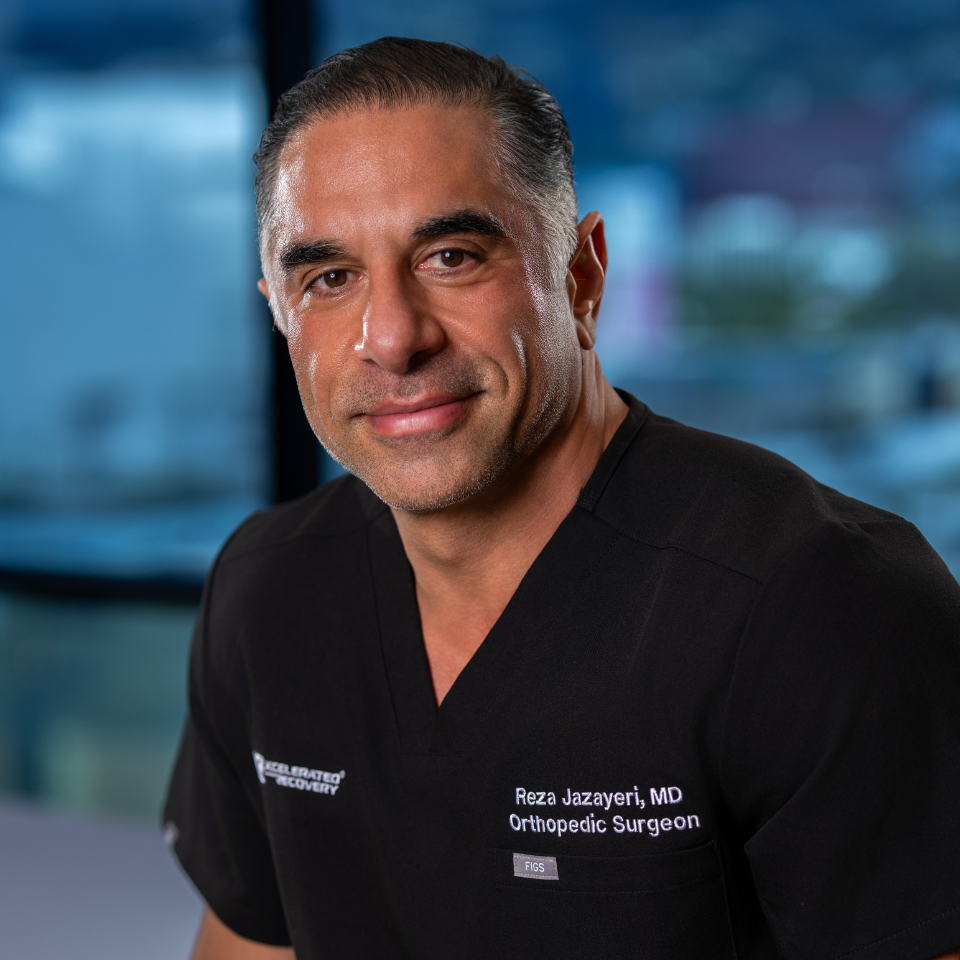
When it comes to UCL injuries, you want a team that understands the unique challenges athletes face. Dr. Reza Jazayeri is a double board-certified orthopedic surgeon specializing in sports medicine.
He has over 15 years of experience treating athletes, active adults, and combat sports practitioners. He specializes in elbow care and knows how to get you back to your game safely.
At our practice, we prioritize a non-surgical-first approach. We explore options like physical therapy and injections before considering surgery.
If Tommy John surgery is necessary, Dr. Jazayeri uses minimally invasive techniques to promote faster recovery. Our focus is on personalized care that fits your specific needs and goals.
Meet Dr. Reza Jazayeri
Dr. Reza Jazayeri specializes in sports medicine with expertise in shoulder, knee, and elbow injuries. A Southern California native, Dr. Jazayeri combines an engineering background with elite surgical training, completing his orthopedic surgery residency at the nationally ranked NYU Hospital for Joint Diseases and a sports medicine fellowship at the renowned Kerlan-Jobe Orthopaedic Clinic.
After more than 15 years caring for patients within the Southern California Permanente Medical Group, Dr. Jazayeri joined DOCS Health to expand a practice focused on personalized orthopedic and sports medicine care and surgical excellence. As Director of Longevity at DOCS Health, he leads the development and implementation of optimization protocols and regenerative medicine strategies designed to improve long-term musculoskeletal health and extend healthspan.
His published work includes a 2026 coauthored review of nutritional optimization in spine surgery in the Journal of the American Academy of Orthopaedic Surgeons. View Dr. Jazayeri’s research publications and training.
Can’t recommend Dr. Jazayeri enough. He truly cares for his patients and has been there every step of the way for my shoulder surgeries, ready to answer any questions or concerns. I couldn’t have asked for a better orthopedic surgeon.
Schedule Your Consultation For UCL Injury Care
If elbow pain is affecting your performance or daily activities, early evaluation leads to better outcomes. Dr. Jazayeri brings over 15 years of experience treating athletes and active adults with UCL injuries. His Beverly Hills, Westlake Village, and Orange offices offer convenient access throughout Southern California.
Virtual consultations are available for patients across California and beyond. You will receive a thorough evaluation and a clear explanation of your treatment options, from conservative care to Tommy John surgery when needed. Contact the practice today to schedule your consultation for UCL injury care in the Greater Los Angeles area.
Medically reviewed by Reza Jazayeri, M.D. on