Specialized Orthopedic Care for Boxers, MMA, UFC, Brazilian Jiu-Jitsu & Combat Athletes
Whether you’re stepping into the cage, entering the ring, preparing for a grappling tournament, or training for your next fight camp, your body is your greatest competitive asset. Combat sports place extraordinary demands on the joints, muscles, tendons, ligaments, and nervous system, creating injury patterns unlike those seen in almost any other sport. Treating these athletes requires more than orthopedic knowledge. It requires an understanding of how fighters train, compete, recover, and ultimately return to performing at the highest level.
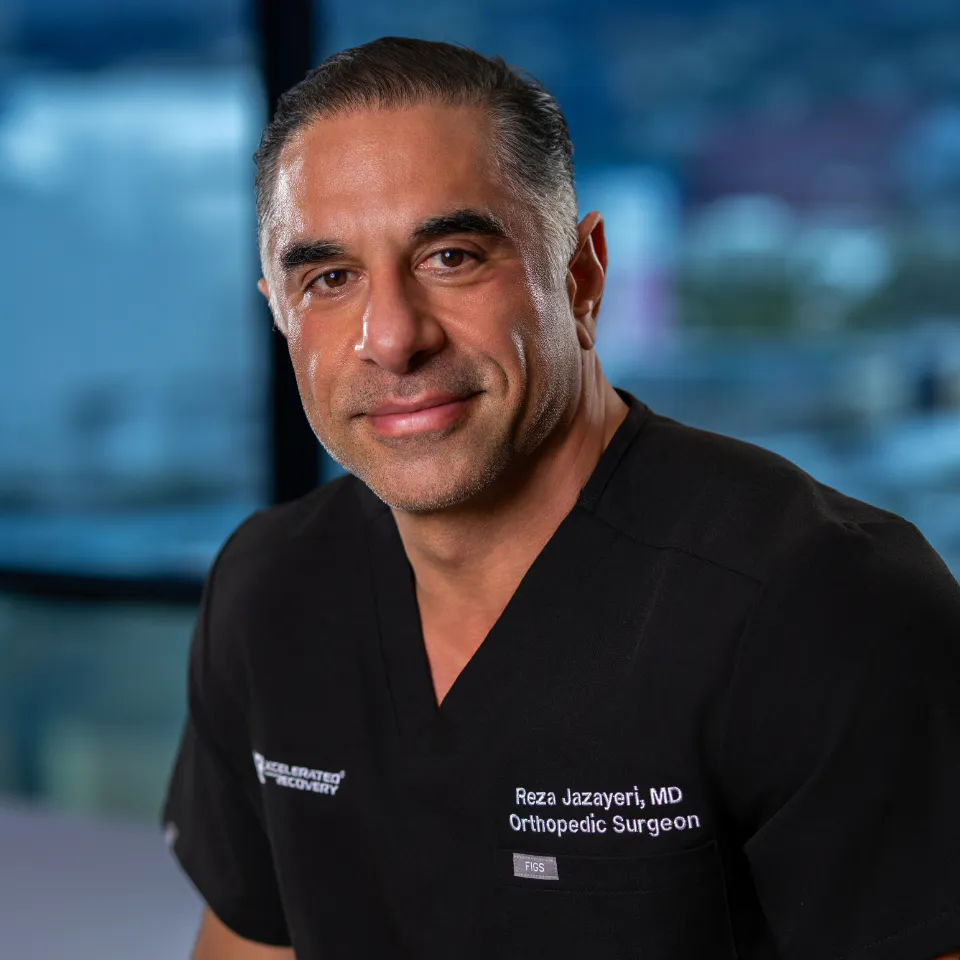
Dr. Reza Jazayeri is a double board-certified orthopedic surgeon who has dedicated his career to helping athletes recover from complex orthopedic injuries. Based in Beverly Hills, with additional offices in Westlake Village and Orange, he provides specialized care for professional and amateur fighters throughout Los Angeles and Southern California. His practice combines advanced orthopedic surgery, sports medicine, regenerative orthopedics, and performance medicine to help combat athletes recover safely while protecting their long-term health and athletic careers.
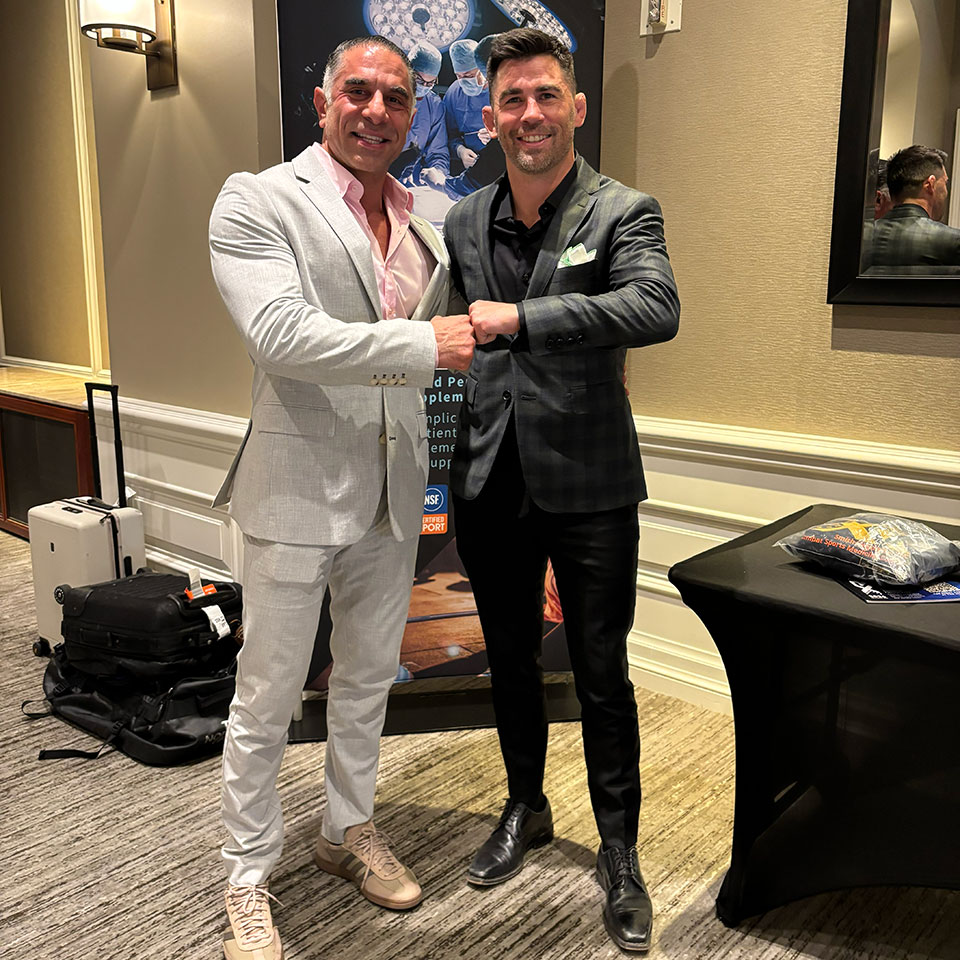
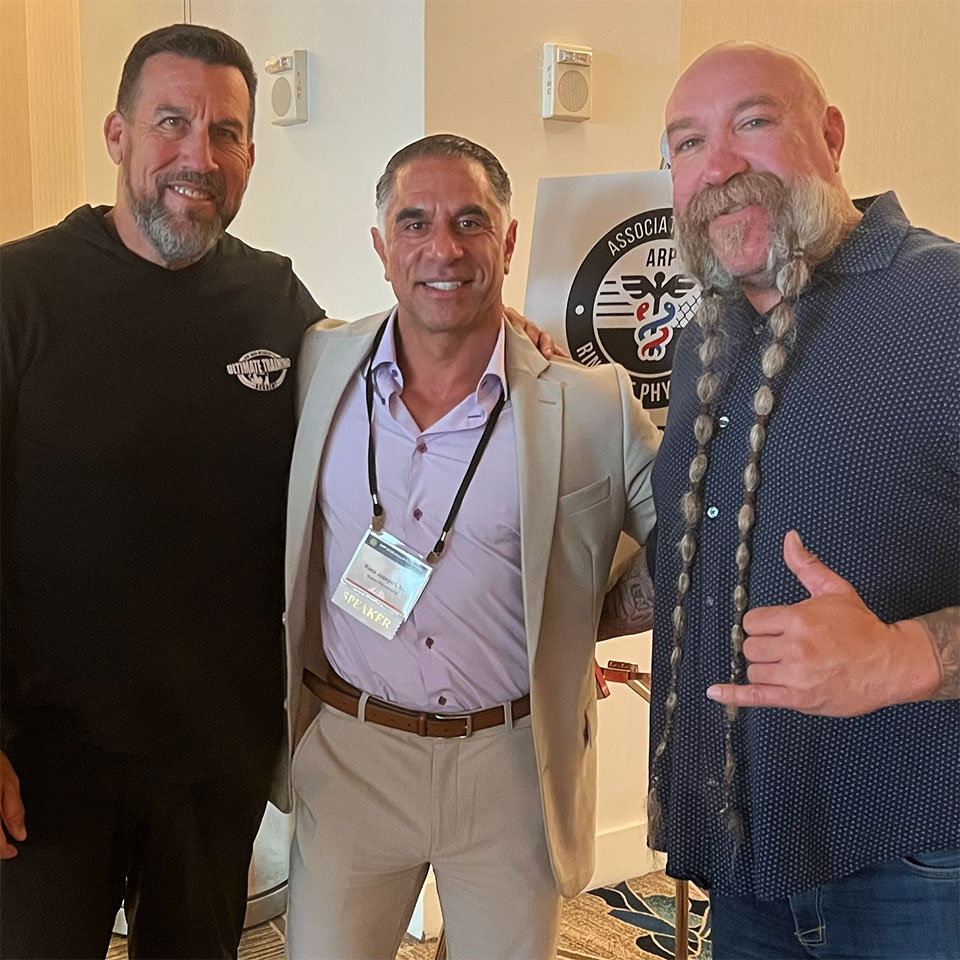
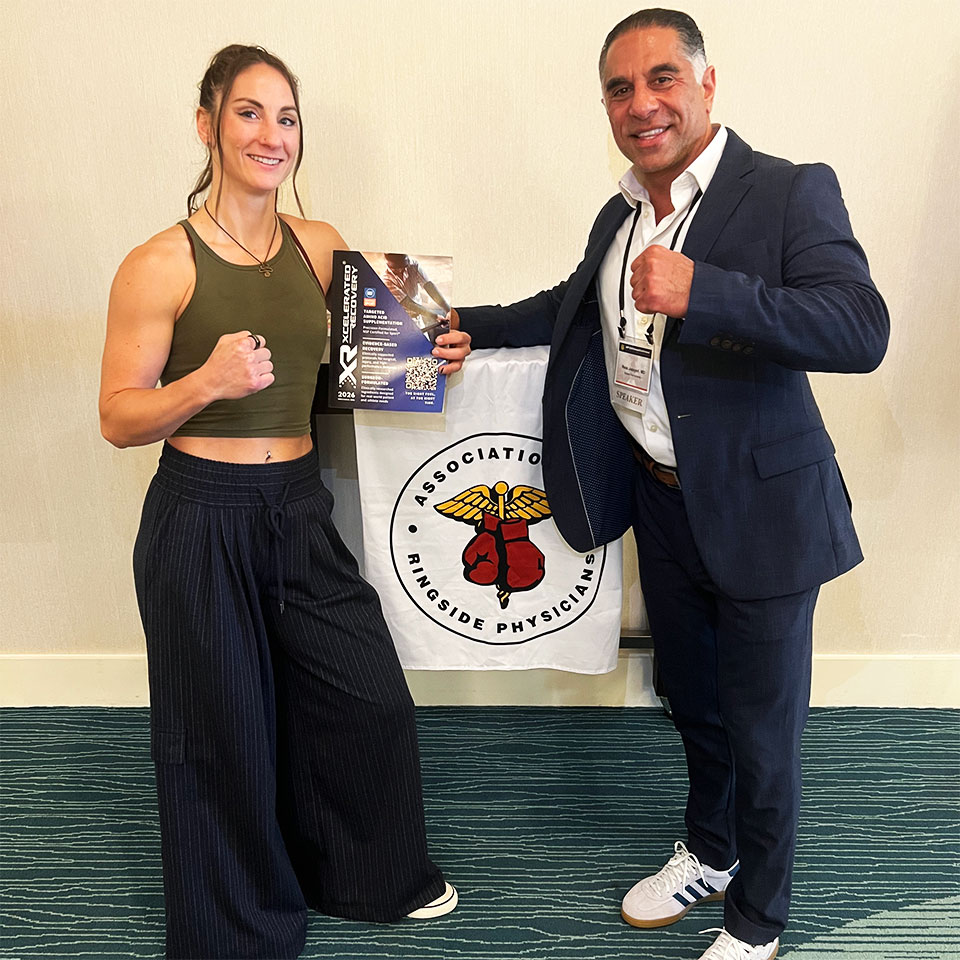
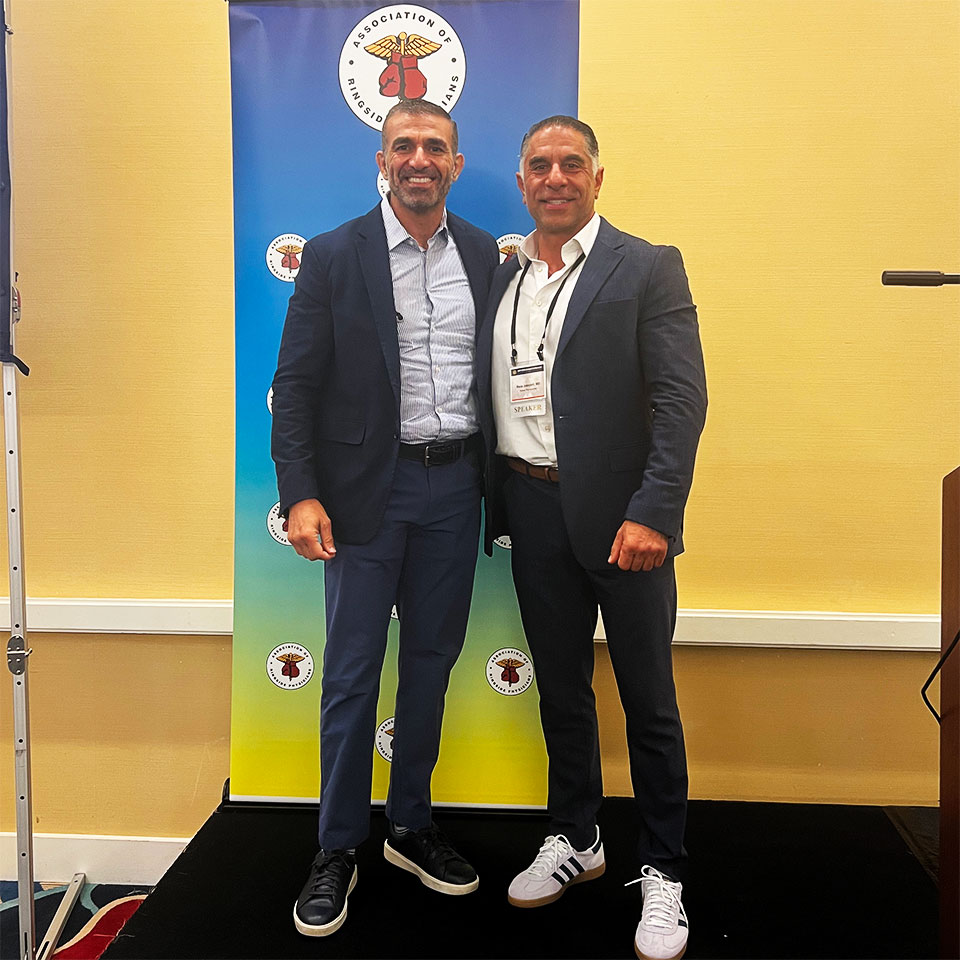
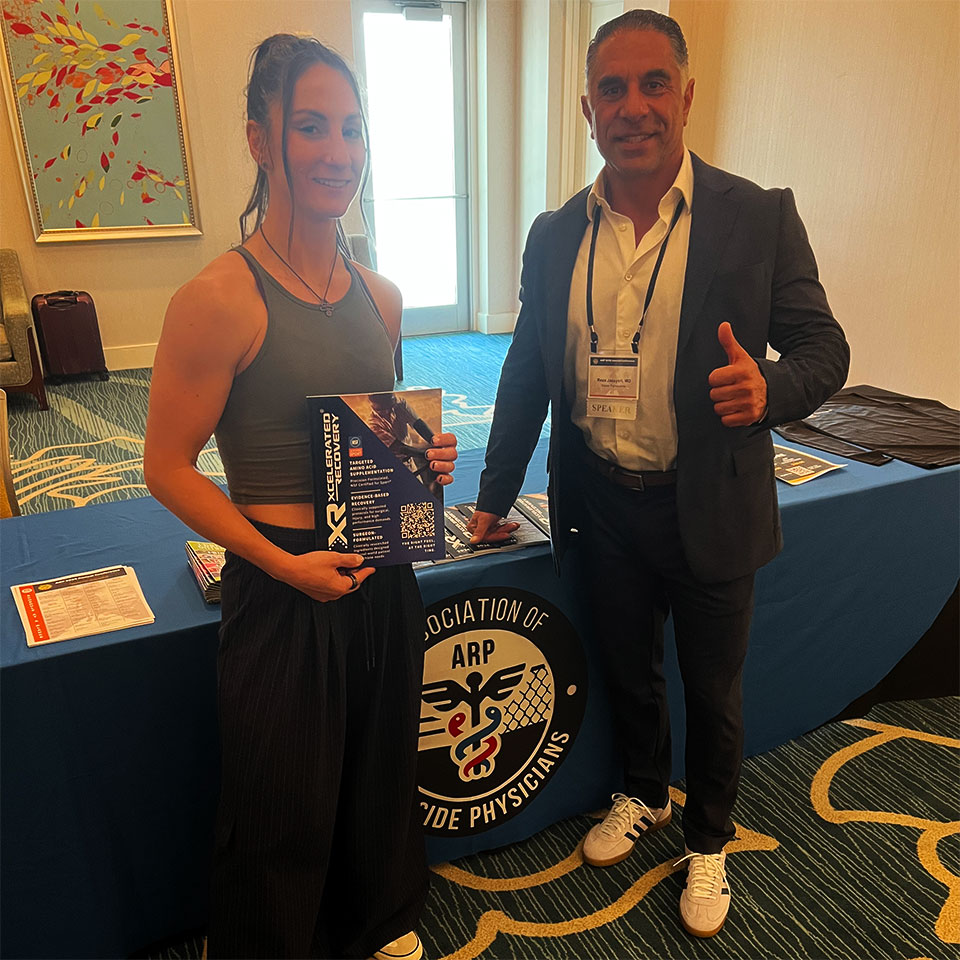
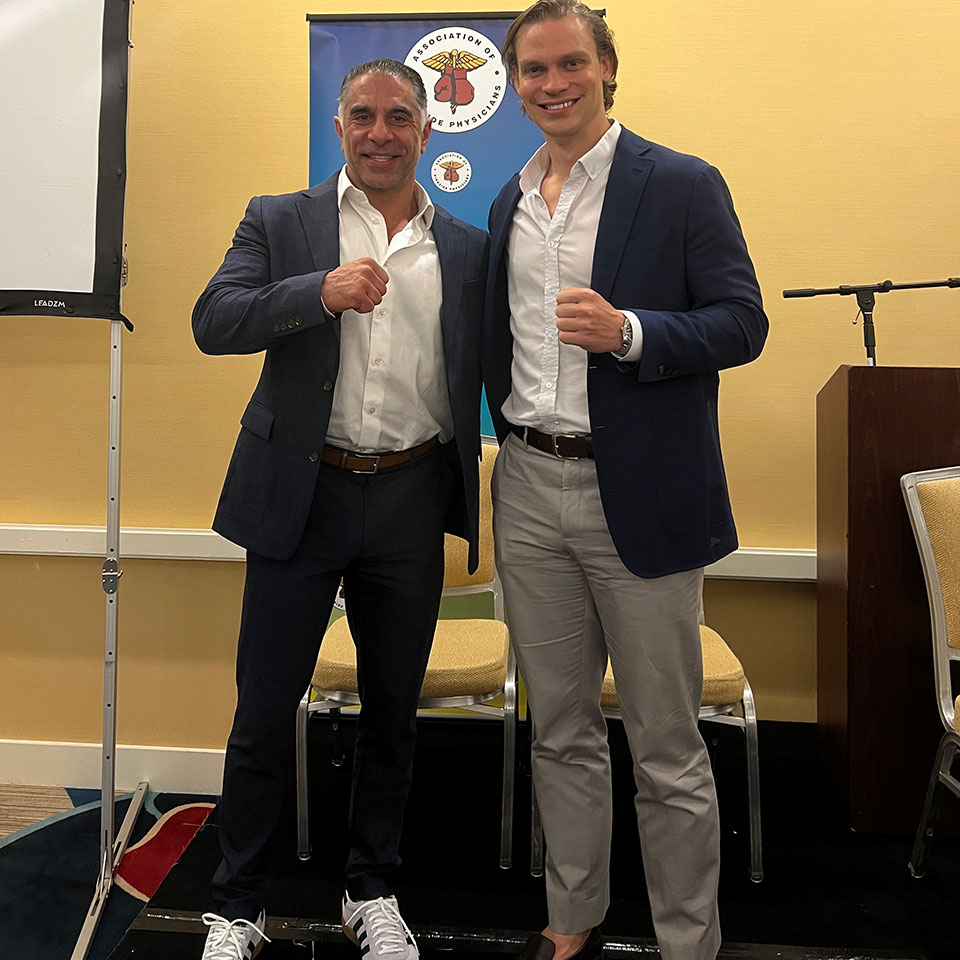
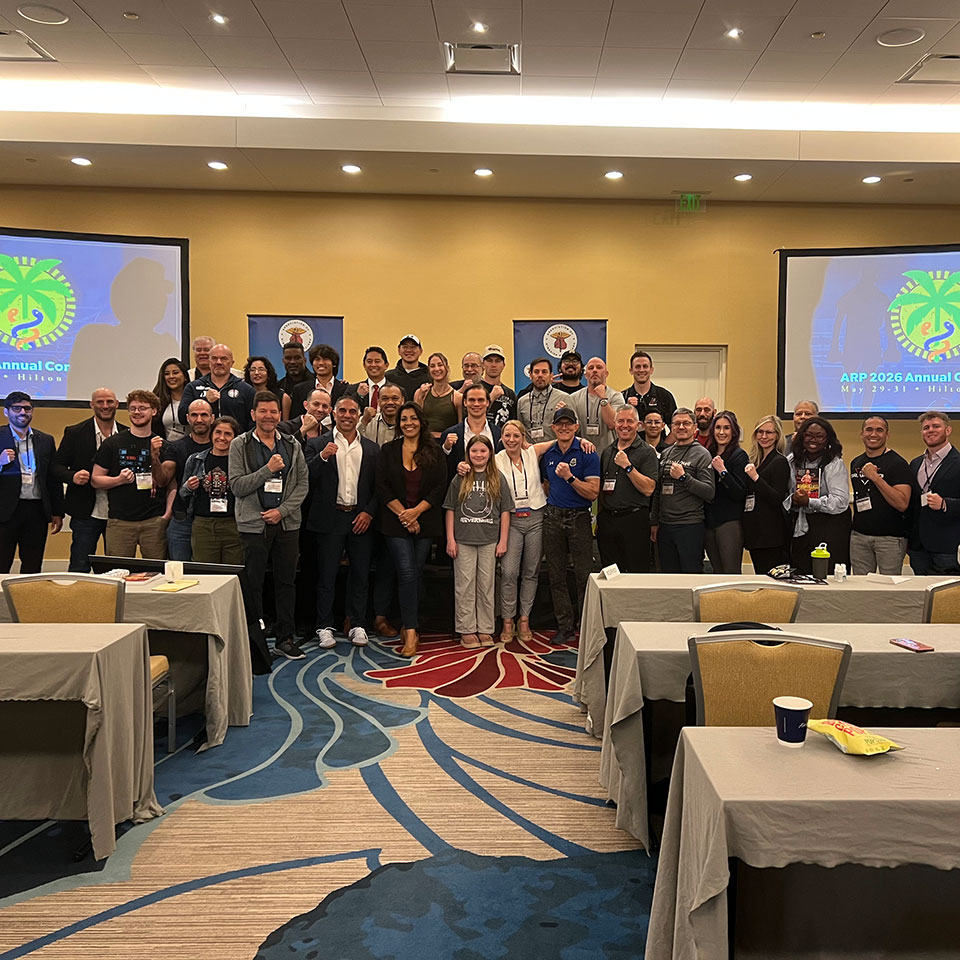
Unlike many orthopedic surgeons, Dr. Jazayeri understands the realities of combat sports firsthand. He completed an elite Sports Medicine Fellowship at the Kerlan-Jobe Orthopedic Clinic, a Cedars-Sinai-affiliated institution internationally recognized for treating professional athletes. He is also a member of the Association of Ringside Physicians (ARP) and has worked cage-side at professional mixed martial arts events, providing firsthand exposure to the fast-paced medical decision-making required during live competition.
Whether you’re recovering from an acute injury, preparing for surgery, exploring non-operative treatment, or looking to maximize your performance while extending your career, Dr. Jazayeri provides comprehensive orthopedic care built around the unique demands of combat athletes.
Why Experience Matters in Combat Sports Medicine
Most orthopedic surgeons treat athletes. Few specialize in understanding the unique physical and competitive demands of fighters.
Combat athletes place tremendous stress on nearly every joint in the body. Every training session involves explosive movement, rotational forces, repetitive impact, awkward joint positions, high-speed takedowns, submissions, throws, and striking. Unlike athletes in seasonal sports, fighters often train year-round with very little opportunity for complete recovery.
For that reason, successful treatment requires much more than reading an MRI or repairing damaged tissue.
It requires understanding how a shoulder injury affects punching mechanics. How a meniscus tear changes wrestling performance. How reduced hip mobility limits kicking power. How grip strength influences Brazilian Jiu-Jitsu performance. How even relatively minor injuries can dramatically alter movement patterns and increase the risk of additional injuries elsewhere in the body.
Dr. Jaz approaches every patient with these realities in mind. His objective is not simply to eliminate pain. It is to restore strength, mobility, stability, confidence, and athletic performance while protecting the long-term health of the joints that allow fighters to compete for years to come.
Credentials That Inspire Confidence
Dr. Jazayeri’s qualifications include:
Choosing an orthopedic surgeon is one of the most important decisions an athlete can make. Experience, specialized training, and ongoing involvement in sports medicine all contribute to achieving the best possible outcome.
- Double board-certified orthopedic surgeon
- Sports Medicine Fellowship at the Kerlan-Jobe Orthopaedic Clinic, a Cedars-Sinai affiliated institution
- Member of the Association of Ringside Physicians (ARP)
- Experience providing cage-side medical coverage at professional MMA events
- Published researcher in orthopedic surgery, recovery science, nutrition, and metabolic optimization
- More than 15 years caring for patients throughout the Greater Los Angeles area
His fellowship training focused extensively on sports-related injuries involving the shoulder, knee, elbow, and other joints commonly injured by elite athletes. Today, he combines those surgical skills with modern rehabilitation strategies, biologic treatments when appropriate, and individualized performance medicine to help athletes recover as safely and efficiently as possible.
Caring for Every Type of Combat Athlete
Combat sports encompass far more than professional mixed martial arts. Every discipline places different stresses on the body, requiring an individualized understanding of injury patterns, movement mechanics, and recovery expectations.
Dr. Jazayeri treats athletes participating in:
- Professional and amateur boxing
- Mixed Martial Arts (MMA)
- UFC athletes
- Brazilian Jiu-Jitsu (BJJ)
- Wrestling
- Muay Thai
- Kickboxing
- Judo
- Submission grappling
- Self-defense practitioners
- Tactical athletes and law enforcement professionals
Regardless of competitive level, every patient receives a treatment plan built around their specific goals, lifestyle, training schedule, and long-term health.
Common Orthopedic Injuries in Combat Sports
Combat athletes often accept pain as part of training. Unfortunately, continuing to compete through significant injuries frequently allows relatively minor problems to develop into more complex conditions requiring longer recovery times.
Early diagnosis and appropriate treatment can often help preserve joint health while minimizing unnecessary downtime.
Shoulder Injuries
The shoulder is one of the most commonly injured joints in combat sports. Repeated punching, posting during takedowns, arm bars, throws, and submission escapes place enormous stress on the shoulder capsule, labrum, and rotator cuff.
Dr. Jazayeri frequently evaluates shoulder instability, recurrent dislocations, labral tears, rotator cuff injuries, AC joint injuries, biceps tendon injuries, and cartilage damage. Treatment may range from carefully supervised rehabilitation to advanced arthroscopic surgery depending on the severity of the injury and the athlete’s competitive goals.
Knee Injuries
Whether shooting for a takedown, defending leg attacks, scrambling on the ground, or absorbing awkward rotational forces, fighters place tremendous demands on their knees.
Common injuries include ACL tears, MCL sprains, meniscus tears, cartilage injuries, patellar instability, and chronic overuse conditions.
Treatment focuses not only on healing the injury but also restoring the explosive movement, balance, agility, and confidence required for competition.
Hand and Wrist Injuries
A fighter’s hands are essential tools of the sport.
Fractures of the metacarpals, ligament injuries, thumb instability, wrist sprains, scaphoid fractures, and tendon injuries can all significantly limit striking power and grappling ability.
Because many fighters continue training despite these injuries, timely evaluation is critical to reducing the risk of chronic instability or long-term functional limitations.
Elbow Injuries
Submission grappling and wrestling frequently expose the elbow to hyperextension, rotational stress, and repetitive strain.
Conditions commonly treated include UCL injuries, tendon disorders, cartilage injuries, fractures, and instability caused by arm bars or forceful escapes.
Proper diagnosis allows treatment plans to be tailored toward preserving strength, grip function, and full range of motion.
Foot and Ankle Injuries
The lower leg absorbs tremendous stress during striking, movement, wrestling exchanges, and conditioning.
Ligament sprains, Achilles tendon injuries, fractures, instability, plantar fascia injuries, and tendon disorders can all significantly affect balance, movement, and athletic performance.
Comprehensive evaluation helps identify both the injury itself and the biomechanical factors contributing to it.
Fighter Medicine Is About More Than Surgery
One of the biggest misconceptions among athletes is that seeing an orthopedic surgeon automatically means surgery is inevitable.
In reality, many combat sports injuries can be successfully managed without surgery.
Dr. Jazayeri believes surgery should only be recommended when it provides the safest and most effective path back to long-term function. Whenever appropriate, conservative treatment is explored first through a combination of advanced rehabilitation, activity modification, performance-focused physical therapy, recovery optimization, and carefully selected orthobiologic therapies.
Every treatment plan is individualized. The objective is not simply avoiding surgery or recommending surgery. The objective is choosing the treatment strategy most likely to restore long-term athletic performance while protecting future joint health.
Performance Medicine: Helping Fighters Recover Smarter
Recovery has become one of the most important competitive advantages in modern combat sports.
Elite fighters understand that training alone does not produce peak performance. Adaptation occurs during recovery, when damaged tissues repair themselves, inflammation resolves, strength improves, and the body prepares for the next training session.
Dr. Jazayeri’s philosophy extends beyond simply treating injuries. His Surgical Athlete and Performance Medicine approach focuses on helping athletes recover as completely as possible while supporting long-term orthopedic health.
Rather than viewing an injury as an isolated problem, he evaluates the athlete as an entire system. Sleep quality, nutrition, metabolic health, mobility, previous injuries, biomechanics, training volume, and recovery habits all influence both healing and future performance. Addressing these factors often allows athletes to return to competition stronger and more resilient than they were before the injury occurred.
For many patients, this comprehensive approach becomes just as valuable as the treatment itself.
Orthobiologic Treatments for Combat Athletes
As sports medicine continues to evolve, orthobiologic therapies have become an increasingly important part of orthopedic care for appropriately selected patients.
Depending on the specific injury, overall health, and treatment goals, Dr. Jazayeri may recommend biologic therapies such as Platelet-Rich Plasma (PRP), Bone Marrow Aspirate Concentrate (BMAC), or Alpha-2-Macroglobulin (A2M). These treatments are designed to complement, not replace, a comprehensive orthopedic treatment plan.
For some athletes, orthobiologics may be considered alongside physical therapy, strength training, activity modification, or surgery when appropriate. For others, traditional treatment approaches remain the best option.
The decision is always based on the available scientific evidence, the specific diagnosis, and the individual athlete sitting in front of him.
Dr. Jazayeri believes patients deserve honest recommendations rather than one-size-fits-all solutions. Every discussion includes realistic expectations regarding potential benefits, limitations, recovery timelines, and alternative treatment options.
Brain Health Matters Just As Much As Joint Health
One of the defining characteristics of combat sports is the potential for repetitive head impacts.
Although orthopedic surgeons do not manage every aspect of concussion care, Dr. Jazayeri recognizes that protecting long-term neurological health is an essential component of caring for fighters.
As a member of the Association of Ringside Physicians and someone who has worked cage-side at professional MMA events, he understands the importance of appropriate medical evaluation, concussion recognition, and safe return-to-competition decisions.
Combat athletes frequently ask, “When can I fight again?”
The better question is often, “When should I fight again?”
Protecting brain health sometimes means delaying a return to competition until the athlete has recovered appropriately. While that decision may be frustrating in the short term, it can play an important role in preserving both athletic performance and long-term quality of life.
Dr. Jazayeri works collaboratively with other specialists whenever necessary to ensure athletes receive comprehensive care addressing every aspect of their recovery.
Every Sport Creates Different Injuries
No two combat sports stress the body in exactly the same way. Understanding these differences allows treatment plans to be tailored to the specific athlete rather than applying the same approach to everyone.
Boxing
Boxers generate tremendous force through repetitive punching, footwork, and rotational movement. Common injuries include hand fractures, wrist instability, shoulder labral tears, rotator cuff injuries, elbow tendon disorders, rib injuries, and cervical spine conditions. Over time, repetitive impact may also contribute to chronic shoulder and hand problems that affect punching power and endurance.
Mixed Martial Arts (MMA)
Mixed martial artists combine striking, wrestling, and submission grappling into a single sport, making MMA one of the most physically demanding athletic disciplines in the world. Athletes frequently experience ACL injuries, meniscus tears, shoulder instability, cartilage injuries, fractures, elbow injuries, and multiple traumatic injuries sustained during takedowns and scrambles.
Brazilian Jiu-Jitsu (BJJ)
Brazilian Jiu-Jitsu places exceptional stress on the shoulders, elbows, knees, hips, fingers, and neck. Joint locks, prolonged gripping, guard retention, and inversion movements create unique injury patterns that often develop gradually through repetitive training rather than a single traumatic event.
Wrestling
Wrestlers repeatedly expose their bodies to explosive takedowns, sprawls, lifting, twisting, and high-impact collisions. Shoulder instability, knee ligament injuries, ankle sprains, neck strains, and cartilage damage are common throughout every level of competition.
Muay Thai and Kickboxing
Repeated kicking, checking kicks, clinch work, and striking combinations place tremendous stress on the hips, knees, ankles, feet, and lower back. Overuse injuries involving the hip flexors, Achilles tendon, and lower extremities are particularly common among high-volume strikers.
Understanding the biomechanics of each discipline allows Dr. Jazayeri to provide treatment recommendations that better reflect the realities of the athlete’s sport.
Returning to Competition Requires More Than Healing
Many athletes ask the same question after an injury:
“How soon can I get back?”
The answer depends on far more than simply waiting for pain to improve.
Returning to competition safely requires appropriate healing, restored strength, joint stability, neuromuscular control, cardiovascular conditioning, confidence, and sport-specific movement patterns. Returning too early may significantly increase the risk of reinjury or poor performance.
For combat athletes, return-to-play decisions are especially complex because the body must be capable of absorbing contact, generating explosive power, reacting instinctively, and performing under fatigue.
Dr. Jaz develops individualized return-to-training and return-to-competition plans that prioritize both immediate performance and long-term career longevity.
His goal is not simply getting athletes back into the gym.
His goal is helping them return prepared to compete.
Long-Term Joint Preservation
Many professional fighters eventually retire because of accumulated orthopedic damage rather than a single catastrophic injury.
Years of repetitive impact, heavy training volume, and competition gradually affect cartilage, ligaments, tendons, and surrounding muscles.
For this reason, Dr. Jazayeri emphasizes joint preservation throughout every stage of an athlete’s career.
Proper rehabilitation after injuries, correcting movement limitations, improving strength and mobility, and treating smaller problems before they become major ones can all contribute to healthier joints over the long term.
Whether treating a young amateur competitor or an experienced veteran nearing retirement, the objective remains the same: preserve function for decades, not just the next fight.
Serving the Los Angeles Combat Sports Community
Los Angeles has become one of the world’s premier destinations for combat sports.
From world championship boxing gyms to internationally recognized Brazilian Jiu-Jitsu academies, elite wrestling programs, and professional MMA training centers, Southern California attracts athletes from around the globe.
With offices in Beverly Hills, Westlake Village, and Orange, Dr. Jazayeri proudly cares for athletes throughout Los Angeles, Santa Monica, West Hollywood, Beverly Hills, Pasadena, Glendale, Sherman Oaks, Encino, Malibu, Thousand Oaks, Culver City, Orange County, and surrounding communities.
He also welcomes athletes traveling from outside California who are seeking specialized orthopedic evaluation, second opinions, or advanced treatment options.
Telehealth appointments are available for many consultations and follow-up visits, allowing fighters to remain connected to their care while training or competing away from home.
Why Fighters Trust Dr. Jaz
When your career depends on your body, experience matters.
Dr. Jazayeri combines elite sports medicine training, double board certification, advanced orthopedic expertise, research experience, ringside medical exposure, and a deep appreciation for the unique demands of combat sports.
More importantly, he understands that every athlete has different goals.
Some want to avoid surgery.
Some need surgery to return safely.
Others are trying to extend professional careers while protecting the joints they will rely on long after competition ends.
Every recommendation is based on the individual, not a protocol.
Whether you’re preparing for your first amateur tournament, competing professionally, or simply trying to continue training pain-free, you’ll receive honest guidance, individualized treatment, and comprehensive orthopedic care focused on helping you perform at your highest level.
Frequently Asked Questions
Do you treat both professional and amateur fighters?
Absolutely. Dr. Jazayeri treats athletes at every level, including professionals, amateurs, recreational competitors, coaches, and martial artists participating in boxing, MMA, UFC, Brazilian Jiu-Jitsu, wrestling, Muay Thai, kickboxing, judo, and other combat sports.
Does every injury require surgery?
No. Many orthopedic injuries respond extremely well to conservative treatment, including physical therapy, rehabilitation, activity modification, and carefully selected biologic therapies. Surgery is recommended only when it provides the safest and most effective long-term solution.
What are orthobiologic treatments?
Orthobiologics are treatments that use naturally occurring biologic materials, such as Platelet-Rich Plasma (PRP), Bone Marrow Aspirate Concentrate (BMAC), or Alpha-2-Macroglobulin (A2M), to support the body’s healing response. Whether these therapies are appropriate depends on the specific injury, the patient’s health, and current scientific evidence.
How soon can I return to training after an injury?
Every injury is different. Return-to-training decisions are based on healing, strength, mobility, sport-specific function, and overall readiness rather than simply the passage of time. Dr. Jazayeri develops individualized plans designed to maximize recovery while reducing the risk of reinjury.
Can I schedule a telehealth appointment?
Yes. Telehealth consultations are available for many new patient evaluations, second opinions, and follow-up appointments, particularly for athletes training or competing outside the Los Angeles area.
As with any orthobiologic or recovery protocol, outcomes vary by injury and individual. These treatments are offered as part of an evidence-informed, individualized plan, not a guarantee of any specific competitive outcome.
Medically reviewed by Reza Jazayeri, M.D. on